
- Home
- Products
- About Us
- OEM/ODM
- VR
- Resources
- Contacts


Views: 256 Author: Insight Publish Time: 2026-01-21 Origin: Insight


Content Menu
● Understanding the Champagne Knife
>> History of the Champagne Knife
● The Importance of a Champagne Knife
>> Safety First
>>> Creating a Memorable Moment
● How to Use a Champagne Knife
● Choosing the Right Champagne Knife
>>> Traditional Champagne Knife
>>> Sabrage Knife
>>> Multi-Function Champagne Knife
● Caring for Your Champagne Knife
Champagne is often associated with celebration, luxury, and special occasions. Whether it's a wedding, a New Year's Eve party, or a simple gathering with friends, the act of opening a bottle of champagne is a ritual that many cherish. However, the way you open a bottle of champagne can significantly affect the experience. This is where the champagne knife comes into play. In this article, we will explore the importance of a champagne knife, its history, how to use it, and why it is an essential tool for any champagne lover.

A champagne knife is a specialized tool designed for opening champagne bottles. Unlike a traditional corkscrew, a champagne knife is typically a small, sharp knife that is used to cut the foil and sometimes the cork itself. The design of the knife allows for a clean and safe opening of the bottle, minimizing the risk of injury and ensuring that the champagne is poured without excessive spillage.
The champagne knife has its roots in the tradition of sabrage, a technique that involves using a sword or a large knife to open a champagne bottle. This practice dates back to the Napoleonic era when soldiers would celebrate victories by opening bottles of champagne with their sabers. Over time, this evolved into the use of specialized knives that are safer and more practical for everyday use.
One of the primary reasons to use a champagne knife is safety. Opening a champagne bottle can be dangerous if not done correctly. The pressure inside a champagne bottle can cause the cork to pop out unexpectedly, potentially leading to injuries. A champagne knife allows for a controlled opening, reducing the risk of accidents.
When a cork is released from a champagne bottle, it can fly out at high speeds. This can cause injuries to the face or eyes if proper precautions are not taken. By using a champagne knife, you can cut the foil and carefully release the cork, minimizing the chances of it becoming a projectile.
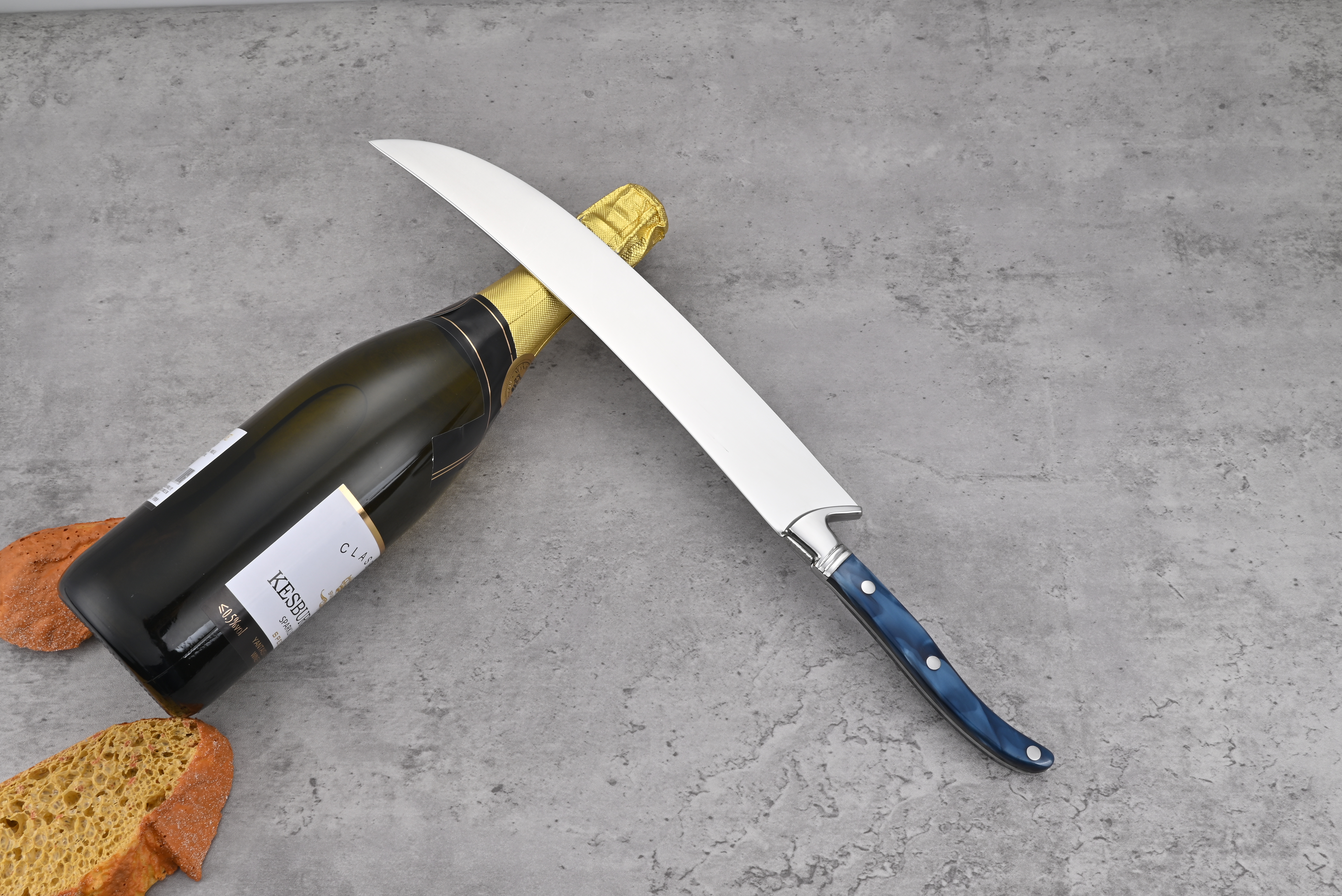
Using a champagne knife can enhance the overall experience of opening a bottle of champagne. The act of using a specialized tool adds a touch of elegance and sophistication to the occasion. It transforms a simple task into a ceremonial act, making the moment feel more special.
When you use a champagne knife to open a bottle, it creates a memorable moment for you and your guests. The anticipation builds as you prepare to cut the foil and release the cork. This ritual can become a cherished part of your celebrations, adding to the joy of the occasion.
A champagne knife offers precision and control when opening a bottle. Unlike using a regular knife or a corkscrew, a champagne knife is designed specifically for this purpose. Its sharp blade allows for a clean cut, ensuring that the cork is removed smoothly without any mess.
When opening a champagne bottle, spillage can be a common issue, especially if the cork pops out unexpectedly. A champagne knife allows you to control the release of the cork, reducing the likelihood of champagne spilling over the rim of the bottle. This ensures that you can pour the champagne neatly into glasses without wasting any of the precious liquid.
Using a champagne knife is straightforward, but it requires some care and attention. Here's a step-by-step guide on how to use a champagne knife effectively:
1. Chill the Bottle: Ensure that the champagne bottle is well-chilled before opening. This helps to reduce the pressure inside the bottle and minimizes the risk of the cork popping out unexpectedly.
2. Remove the Foil: Use the champagne knife to cut the foil around the neck of the bottle. Make a clean cut just below the lip of the bottle to remove the foil completely.
3. Loosen the Cage: After removing the foil, carefully untwist the wire cage that holds the cork in place. Be cautious, as the cork may be under pressure.
4. Position the Knife: Hold the bottle at a slight angle, pointing away from yourself and others. Position the blade of the champagne knife against the cork.
5. Cut the Cork: With a swift motion, use the knife to cut the cork. The goal is to slice through the cork without applying too much force. The cork should pop out smoothly.
6. Pour and Enjoy: Once the cork is removed, pour the champagne into glasses and enjoy the celebration.
- Always point the bottle away from yourself and others when opening.
- Use a firm grip on the bottle to maintain control.
- Practice caution when cutting the foil and cork to avoid accidents.
There are various types of champagne knives available on the market, each with its unique features. Here are some common types:
A traditional champagne knife features a sharp blade and a comfortable handle. It is designed for ease of use and precision when cutting the foil and cork.
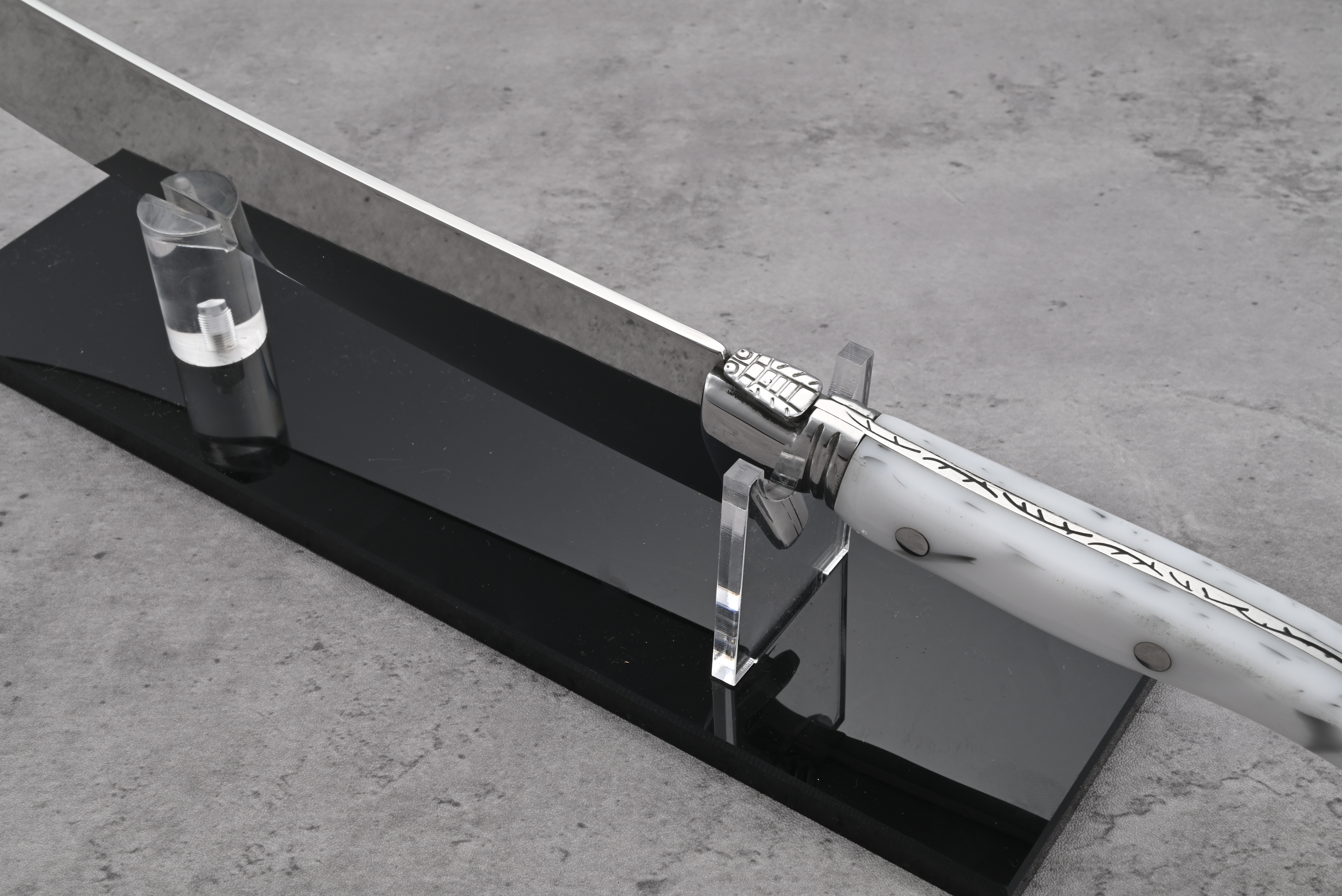
A sabrage knife is a larger, more ceremonial knife used for the sabrage technique. While it is not as practical for everyday use, it adds a dramatic flair to special occasions.
Some champagne knives come with additional features, such as a corkscrew or bottle opener. These multi-function tools can be handy for those who enjoy a variety of beverages.
When choosing a champagne knife, consider the following factors:
- Material: Look for a knife made from high-quality stainless steel for durability and ease of cleaning.
- Handle Design: A comfortable handle is essential for maintaining control while using the knife.
- Size: Choose a size that feels comfortable in your hand and is easy to store.
To ensure the longevity of your champagne knife, proper care and maintenance are essential. Here are some tips:
- Clean After Use: Always clean the knife after using it to remove any residue from the champagne or foil.
- Dry Thoroughly: Make sure to dry the knife completely to prevent rusting.
- Store Safely: Store the knife in a safe place, preferably in a protective sheath or case to prevent damage.
Periodically inspect your champagne knife for any signs of wear or damage. If the blade becomes dull, consider sharpening it or replacing the knife to ensure optimal performance.
A champagne knife is an essential tool for anyone who enjoys champagne. It enhances the experience of opening a bottle, adds an element of safety, and allows for precision and control. By understanding how to use and care for a champagne knife, you can elevate your celebrations and create memorable moments with friends and family. Whether you are a casual drinker or a champagne connoisseur, investing in a quality champagne knife is a decision you won't regret.
1. What is the difference between a champagne knife and a regular knife?
- A champagne knife is specifically designed for opening champagne bottles, featuring a sharp blade for cutting foil and corks, while a regular knife is used for general cutting tasks.
2. Can I use a champagne knife for other types of bottles?
- While a champagne knife is designed for champagne, it can be used for other sparkling wine bottles, but it may not be suitable for still wine bottles.
3. Is it safe to use a champagne knife?
- Yes, when used correctly, a champagne knife is safe. It allows for controlled opening of the bottle, reducing the risk of injury.
4. How do I choose the best champagne knife?
- Look for a knife made from high-quality materials, with a comfortable handle and a design that suits your needs.
5. Can I use a champagne knife for sabrage?
- While a champagne knife is not designed for sabrage, it can be used for cutting the foil and cork if you prefer a more traditional method.


