
- Home
- Products
- About Us
- OEM/ODM
- VR
- Resources
- Contacts


Views: 234 Author: Insight Publish Time: 2026-04-07 Origin: Insight


Content Menu
● We had 2 days off for Chinese Qingming Festival
>> The Cultural Significance of Qingming
>> The Ritual of Tomb Sweeping
>> Embracing the Beauty of Spring
>> Traditional Culinary Delights
>> Related Questions and Answers
The arrival of spring in China brings with it not only warmer weather and blooming flowers but also a period of profound cultural significance: the Qingming Festival. Often referred to in English as Tomb-Sweeping Day, this ancient holiday serves as a bridge between the living and the departed, a time for families to reconnect with their roots, and a season to appreciate the beauty of the natural world. Recently, having two days off for this festival provided a rare opportunity to pause the frantic pace of modern life, reflect on family heritage, and immerse ourselves in the customs that have defined Chinese culture for thousands of years.
At its heart, the Qingming Festival is an observance rooted in profound respect and remembrance. It is a time when the veil between the present generation and their ancestors feels thin, allowing families to pay their respects and ensure that those who came before are not forgotten. The practice of ancestor worship is a cornerstone of this holiday, reflecting the deep-seated Chinese values of filial piety and family continuity.
This tradition dates back over two millennia, evolving from various historical customs related to mourning and commemoration. While the specific rituals may vary across different regions of China and even among Chinese communities worldwide, the core intention remains the same: to express gratitude for our existence and to honor the sacrifices made by our ancestors. For many, it is not merely a somber occasion but a vital link to their identity and history.

The most iconic activity associated with the festival, and the reason for its common English name, is tomb sweeping. Families travel back to their ancestral hometowns or visit local cemeteries to clear debris, weed the gravesites, and perform necessary repairs. This physical act of cleaning is symbolic; it demonstrates care and maintenance, showing that the memory of the deceased is still cherished and tended to.
Beyond the cleaning, the ritual involves offering tributes. Families bring traditional food items, light incense, and burn symbolic paper offerings, such as paper money or items the deceased might have appreciated. These offerings are made with the belief that they provide comfort to the spirits of ancestors in the afterlife. The quiet atmosphere of the cemetery during this period is often filled with a mixture of solemnity and love, as generations gather to share stories and maintain the family bond.
While Qingming is deeply connected to mourning, it is simultaneously a celebration of the arrival of spring. The name Qingming itself translates to "pure brightness," suggesting a time when the world feels fresh, clear, and vibrant. In fact, this dual nature—honoring the dead while celebrating the living—is a unique characteristic of the festival.
After the solemn duties of tomb sweeping are completed, families often transition into activities that celebrate the season. It is common to see people taking spring outings, enjoying the greenery, and feeling the warmth of the returning sun. Flying kites is a particularly popular pastime during this time. Whether simple or elaborate, these kites dancing in the sky are seen as symbols of good fortune, and some believe that releasing them can carry away misfortune or illness. It is a heartwarming sight to see adults and children together in parks and open fields, fully engaged in the simple joy of being outdoors.
No Chinese festival is complete without its specific culinary traditions, and Qingming is no exception. Perhaps the most famous food associated with this time, especially in southern China, is the Qingtuan. These are round, sticky, and slightly sweet green dumplings made from glutinous rice mixed with juice from edible greens, such as mugwort or barley grass. They are often filled with sweetened red bean paste, offering a delightful texture and flavor that is inseparable from the memory of the season.
In other regions, families might prepare various other snacks or dishes, reflecting the local bounty that comes with spring. These foods are not just nourishment; they are part of the cultural tapestry that makes the festival a sensory experience. Sharing these treats with family members, both at the gravesites and back at home, reinforces the communal spirit of the holiday and turns the act of eating into a shared ritual of heritage.
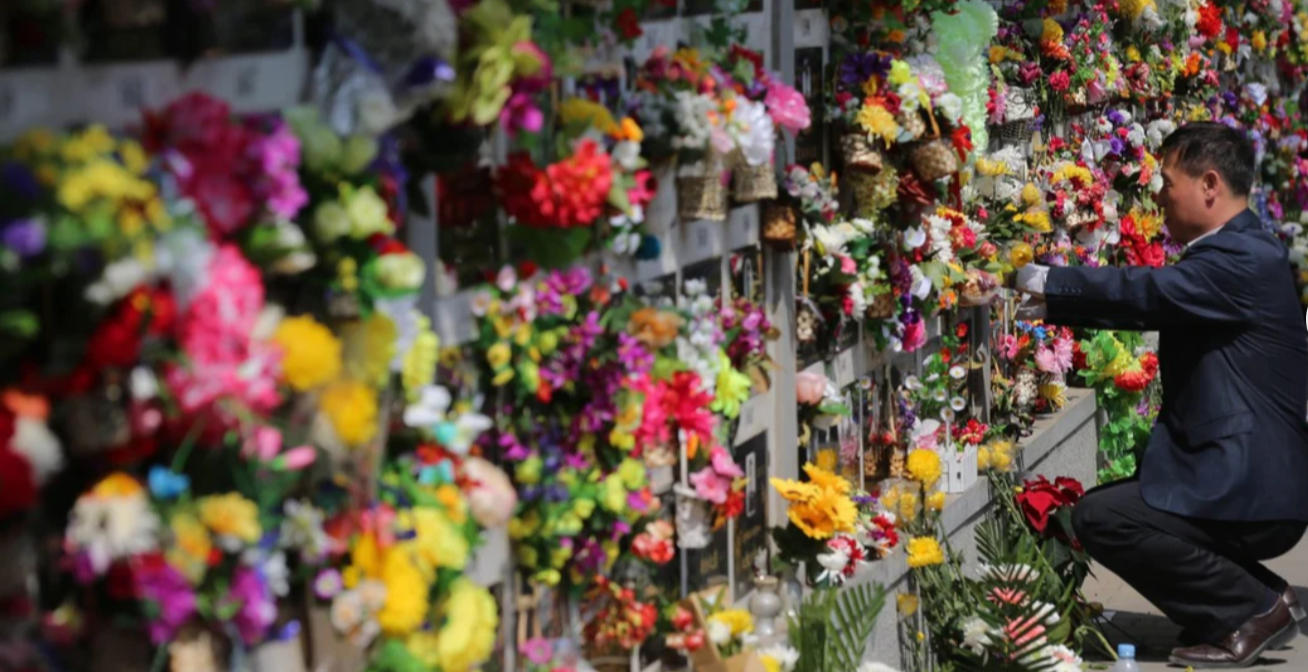
In the context of modern professional life, which often feels like a relentless marathon, having two days off for Qingming is a luxury. These days off are not just about the break itself; they are about the permission to disconnect from professional obligations and reconnect with what truly matters—family, tradition, and the natural cycle of life.
Taking this time allows us to step outside the digital bubble and participate in real-world communal activities. Whether it is the journey to a cemetery, the act of cleaning, the shared meal of traditional foods, or the simple enjoyment of a sunny spring afternoon, the holiday provides a structure for these important interactions. It reminds us that while we are individuals pursuing our own goals, we are also part of a much larger history and a lineage that deserves our ongoing acknowledgement.
As the festival concludes and we return to our regular routines, the impact of these two days lingers. The experience of pausing to remember our ancestors provides a sense of perspective that is often missing from our daily grind. It grounds us in the knowledge that we are links in a long chain of life. The customs of Qingming, while ancient, feel incredibly relevant today because they address the universal human needs for belonging, remembrance, and the appreciation of the present.
The Qingming Festival serves as a necessary reminder that growth—like the spring season itself—is built upon the foundations laid by those who came before us. By taking the time to honor our past, we gain a clearer sense of direction for our future. These two days off were a precious gift, a moment of "pure brightness" that helped clear the clutter of everyday life and brought us back to the essential, enduring truths of human connection and family heritage.
Q1: What is the primary purpose of the Qingming Festival?
A1: The primary purpose is to honor and pay respects to deceased ancestors through rituals like tomb sweeping, ancestor worship, and maintaining gravesites, while also celebrating the arrival of spring.
Q2: Why is the Qingming Festival often called Tomb-Sweeping Day?
A2: It is called Tomb-Sweeping Day because the most important and common tradition practiced during this holiday is visiting the graves of ancestors to clean them, remove weeds, and show respect.
Q3: What are some traditional foods eaten during the Qingming Festival?
A3: A very popular traditional food in southern China is Qingtuan, which are green, sticky rice dumplings often filled with sweetened red bean paste.
Q4: What outdoor activities are common during the Qingming Festival?
A4: Besides tomb sweeping, people often enjoy spring outings to appreciate the warmer weather and nature. Flying kites is also a very popular and traditional outdoor activity during the festival.
Q5: Is the Qingming Festival celebrated on the same date every year?
A5: It usually falls on April 4, 5, or 6, but in terms of the solar calendar, it is consistently tied to the timing of spring and the 24 solar terms, generally centering around April 5.


