
- Home
- Products
- About Us
- OEM/ODM
- VR
- Resources
- Contacts


Views: 266 Author: Insight Publish Time: 2026-01-23 Origin: Insight


Content Menu
● The Significance of a Champagne Knife
>> Traditional Champagne Sabers
● How to Use a Champagne Knife
● The Benefits of Owning a Champagne Knife
● Caring for Your Champagne Knife
>> Storage
Champagne is often associated with celebration, luxury, and special occasions. Whether it's a wedding, a New Year's Eve party, or a simple toast to life's milestones, the act of opening a bottle of champagne is a ritual in itself. While many people may think that any knife can be used to open a champagne bottle, the importance of a champagne knife cannot be overstated. This article will delve into the significance of a champagne knife, its history, how to use it properly, and why it is an essential tool for any champagne enthusiast.
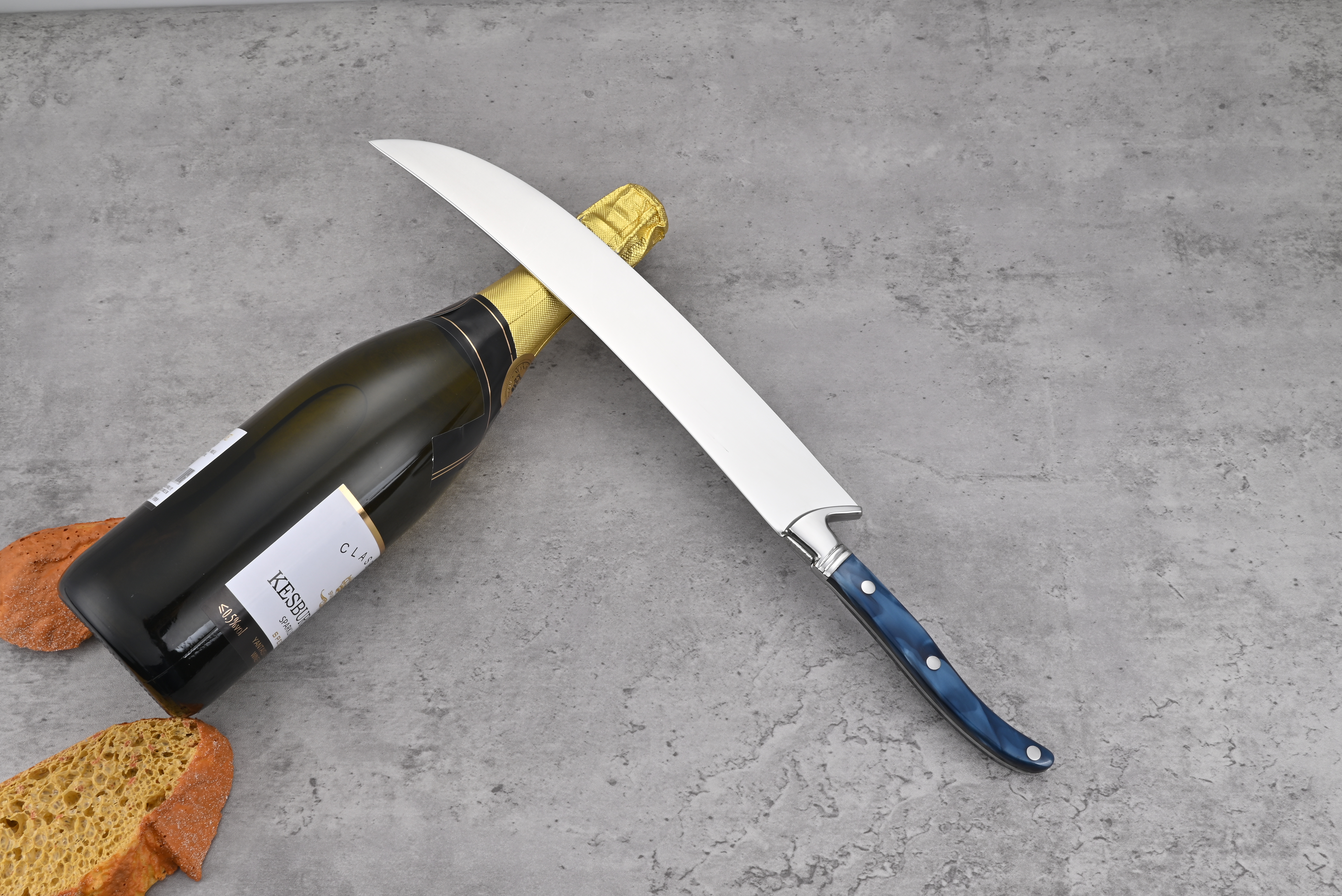
The champagne knife, also known as a sabre or sabering knife, is not just a tool; it is a symbol of celebration. The act of sabering a bottle of champagne is a dramatic and theatrical way to open a bottle, often performed during special occasions. This ritual adds an element of excitement and grandeur to the event, making it memorable for all involved.
Sabering is the technique of using a champagne knife to open a bottle by slicing off the top of the neck. This method dates back to the Napoleonic era when soldiers would celebrate victories by opening bottles of champagne with their sabers. The practice has evolved into a popular party trick, showcasing not only the celebratory nature of champagne but also the skill involved in performing the act safely and effectively.
Traditional champagne sabers are long, curved knives designed specifically for sabering. They typically have a blunt edge and a weighted blade, allowing for a clean and effective cut. The design of a saber allows for a swift motion that can easily break the glass neck of the bottle without causing injury or excessive spillage.
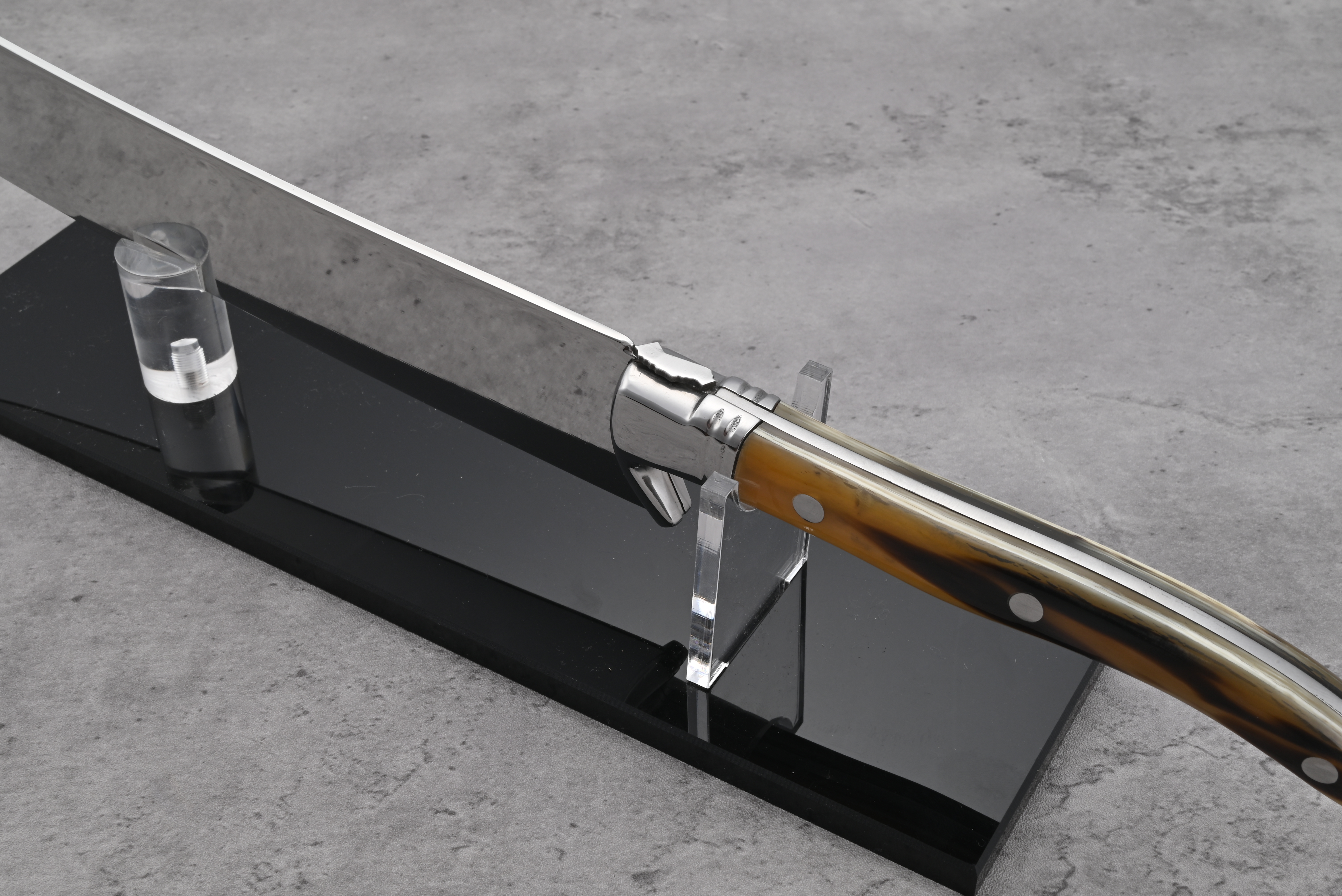
Modern champagne knives may come in various designs, including those that resemble traditional kitchen knives. These knives are often made from stainless steel and may feature ergonomic handles for better grip. While they may not have the same historical significance as traditional sabers, they are still effective for opening champagne bottles.
Some champagne knives are designed to be multi-functional, incorporating features such as corkscrews or bottle openers. These tools can be handy for those who enjoy a variety of beverages and want a single tool that can handle multiple tasks.
Before using a champagne knife, it is essential to prepare the bottle properly. Start by chilling the champagne to the appropriate temperature, usually between 45 to 50 degrees Fahrenheit. A well-chilled bottle is less likely to foam excessively when opened.
The first step in the sabering process is to remove the foil covering the cork. This can be done by carefully peeling it away, ensuring that you do not disturb the cork itself. Once the foil is removed, locate the seam of the bottle, which is the weakest point in the glass.
To saber the bottle, hold it at a 30 to 45-degree angle, pointing away from yourself and others. With a firm grip on the champagne knife, slide the blade along the seam of the bottle, applying a swift and decisive motion. The goal is to strike the neck of the bottle just below the cork, using the weight of the knife to break the glass cleanly.
Safety is paramount when using a champagne knife. Always ensure that you are pointing the bottle away from yourself and others. It is also advisable to wear protective eyewear, as glass shards can fly during the sabering process. Practice makes perfect, so consider practicing with an empty bottle before attempting to saber a full one.
Owning a champagne knife enhances the overall experience of enjoying champagne. It adds an element of sophistication and flair to any gathering, making it a conversation starter and a memorable part of the celebration. Guests are often impressed by the skill involved in sabering, and it can elevate the atmosphere of the event.
A champagne knife can make for a unique and thoughtful gift for wine and champagne enthusiasts. It is a tool that not only serves a practical purpose but also carries a sense of tradition and elegance. Gifting a champagne knife can encourage the recipient to explore the art of sabering and enhance their appreciation for champagne.
For those who are passionate about champagne, a champagne knife can also be a collector's item. Many brands produce beautifully designed sabers that reflect their heritage and craftsmanship. Collecting different styles of champagne knives can be a rewarding hobby, allowing enthusiasts to explore the history and artistry behind these tools.
To ensure the longevity of your champagne knife, proper cleaning and maintenance are essential. After each use, clean the blade with warm, soapy water and dry it thoroughly to prevent rust and damage. Avoid using abrasive materials that could scratch the surface of the knife.
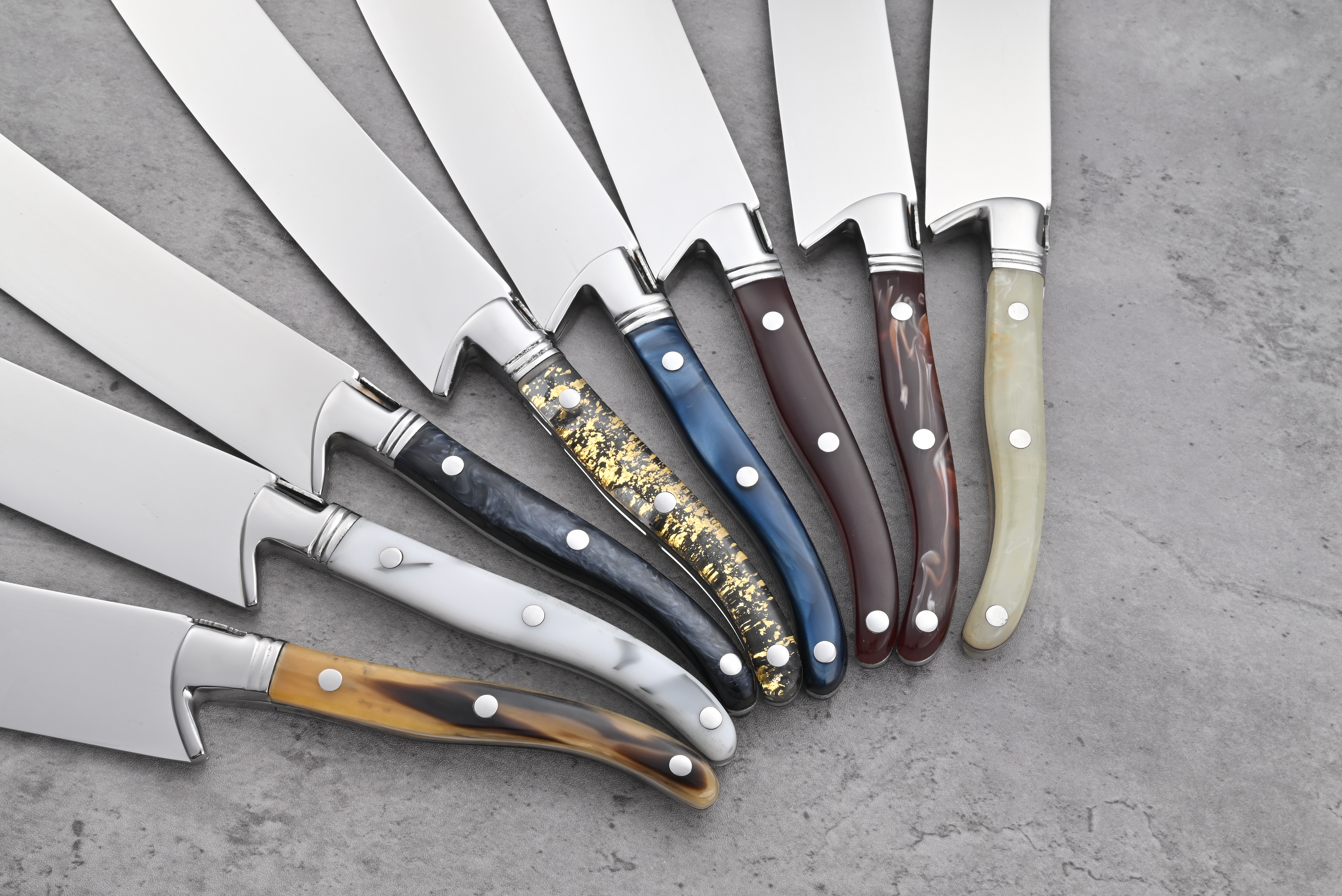
Store your champagne knife in a safe place, preferably in a protective sheath or case. This will help prevent accidental damage and keep the blade sharp. If you have a collection of champagne knives, consider displaying them in a way that showcases their beauty while keeping them protected.
A champagne knife is more than just a tool for opening bottles; it is a symbol of celebration, a piece of history, and an essential accessory for any champagne lover. Whether you choose a traditional saber or a modern champagne knife, mastering the art of sabering can enhance your enjoyment of champagne and create unforgettable memories during special occasions. Investing in a quality champagne knife is a step towards elevating your champagne experience and embracing the joy of celebration.
1. What is the best way to choose a champagne knife?
Look for a knife that feels comfortable in your hand, has a good weight, and is designed for sabering. Consider both traditional and modern options based on your preference.
2. Can I use a regular kitchen knife to open champagne?
While it is possible, it is not recommended. A champagne knife is specifically designed for the task and is safer and more effective.
3. Is sabering champagne difficult to learn?
It can take some practice to master the technique, but with patience and proper guidance, most people can learn to saber a bottle successfully.
4. What should I do if the cork does not come off cleanly?
If the cork does not come off cleanly, do not attempt to force it. Instead, use a corkscrew to remove the cork safely.
5. Are there any safety tips for sabering champagne?
Always point the bottle away from yourself and others, wear protective eyewear, and practice with an empty bottle before attempting with a full one.


