
- Home
- Products
- About Us
- OEM/ODM
- VR
- Resources
- Contacts


Views: 288 Author: Insight Publish Time: 2026-01-16 Origin: Insight


Content Menu
● Understanding the Champagne Knife
>> The History of the Champagne Knife
● Preparing to Use a Champagne Knife
● The Process of Using a Champagne Knife
>> Disposing of the Cork and Glass
Champagne is often associated with celebrations, special occasions, and moments of joy. To properly enjoy this sparkling beverage, one must know how to open a bottle of champagne correctly. While many people are familiar with the traditional method of using a corkscrew, a champagne knife offers a unique and elegant way to open a bottle. This article will guide you through the process of using a champagne knife, the history behind it, and tips for ensuring a safe and enjoyable experience.

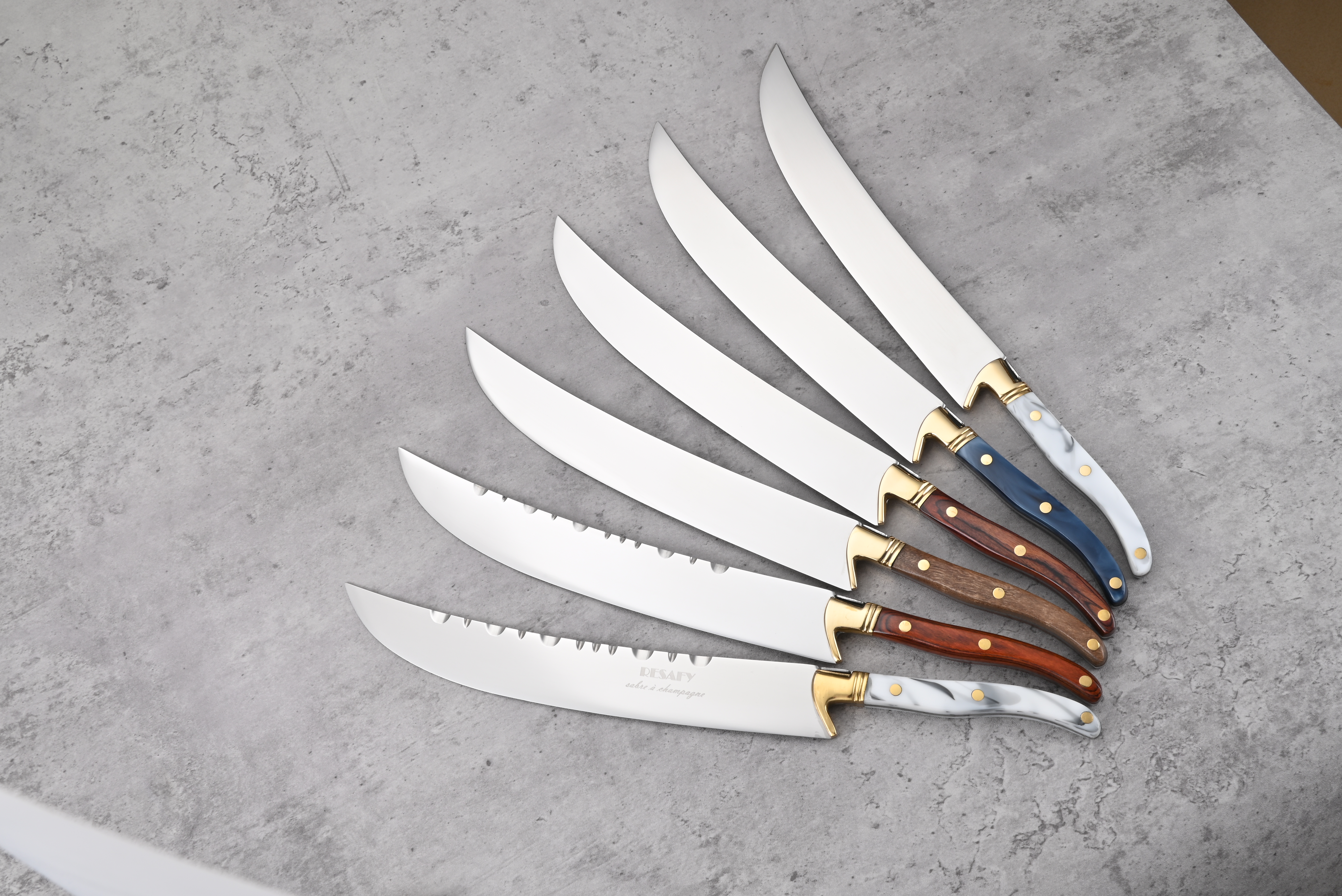
A champagne knife, also known as a sabre or sabre knife, is a specialized tool designed for opening champagne bottles. Unlike traditional corkscrews, a champagne knife is typically a long, straight blade that is used to slice through the neck of the bottle, cleanly removing the cork and the top of the glass.
The tradition of using a champagne knife dates back to the Napoleonic era. It is said that soldiers would use their sabres to open bottles of champagne in celebration after victories. This practice evolved into a ceremonial act, often performed during special occasions and celebrations. Today, using a champagne knife is seen as a sophisticated and theatrical way to open a bottle of champagne.
Before you can use a champagne knife, you need to select the right bottle of champagne. Look for a bottle that is well-chilled, as this will help reduce the pressure inside the bottle and minimize the risk of the cork flying off unexpectedly.
Using a champagne knife can be dangerous if not done correctly. Here are some safety precautions to keep in mind:
- Choose a Safe Environment: Make sure you are in a safe area, away from people and fragile objects.
- Wear Protective Eyewear: Consider wearing safety glasses to protect your eyes from any glass shards or corks that may fly off.
- Check the Bottle: Inspect the bottle for any cracks or defects before attempting to open it. A damaged bottle can shatter when pressure is applied.
1. Chill the Bottle: Ensure that the champagne is well-chilled. The ideal temperature is between 45 to 50 degrees Fahrenheit. This helps to reduce the pressure inside the bottle.
2. Remove the Foil: Carefully remove the foil covering the cork. This will expose the wire cage that holds the cork in place.
3. Loosen the Wire Cage: Untwist the wire cage, but do not remove it completely. Leave it on the cork to prevent it from flying off unexpectedly.
4. Position the Bottle: Hold the bottle at a 45-degree angle, pointing away from yourself and others. This angle helps to control the direction of the cork when it is released.
5. Locate the Seam: Find the seam on the bottle. Most champagne bottles have a seam that runs vertically along the side. This is the weakest point of the glass.
6. Use the Knife: Hold the champagne knife firmly in one hand. With the other hand, grip the bottle securely. Position the blade of the knife against the seam of the bottle, just below the cork.
7. Make the Cut: With a swift motion, slide the blade along the seam, applying enough force to break the glass. The goal is to cut through the neck of the bottle cleanly, allowing the cork to pop off with the top of the glass.
8. Enjoy the Champagne: Once the cork and glass are removed, pour the champagne into flutes and enjoy the celebration.
- Practice Makes Perfect: If you are new to using a champagne knife, consider practicing with an empty bottle to get a feel for the technique.
- Use a Quality Knife: Invest in a good-quality champagne knife that is designed for this purpose. A dull or poorly designed knife can make the process more difficult and dangerous.
- Be Confident: Confidence is key when using a champagne knife. A swift, decisive motion will yield the best results.
One of the most common mistakes is failing to chill the champagne properly. A warm bottle can lead to excessive pressure, increasing the risk of the cork flying off uncontrollably.
Ensure that you have a firm grip on both the bottle and the knife. A shaky grip can lead to accidents and injuries.
Always cut along the seam of the bottle. Cutting at the wrong angle can result in a jagged break, which can be dangerous.
After using a champagne knife, it is essential to clean up any glass shards carefully. Use a broom and dustpan to collect the larger pieces, and then use a damp cloth to wipe the area clean.
Dispose of the cork and any broken glass in a safe manner. If you are at an event, check if there are designated disposal areas for glass.
Using a champagne knife is a unique and elegant way to open a bottle of champagne. By following the proper techniques and safety precautions, you can enjoy this ceremonial act while minimizing the risk of accidents. Whether you are celebrating a special occasion or simply enjoying a glass of bubbly, mastering the art of using a champagne knife will enhance your experience and impress your guests.
---
1. Is it safe to use a champagne knife?
- Yes, it is safe if done correctly. Always follow safety precautions and ensure you are in a safe environment.
2. Can I use a regular knife instead of a champagne knife?
- While you can use a regular knife, it is not recommended. A champagne knife is specifically designed for this purpose and is safer to use.
3. What should I do if the cork does not come off cleanly?
- If the cork does not come off cleanly, do not attempt to force it. Carefully inspect the bottle and use a different technique if necessary.
4. How can I practice using a champagne knife?
- You can practice with an empty bottle to get comfortable with the technique before attempting it on a full bottle.
5. What is the best way to store a champagne knife?
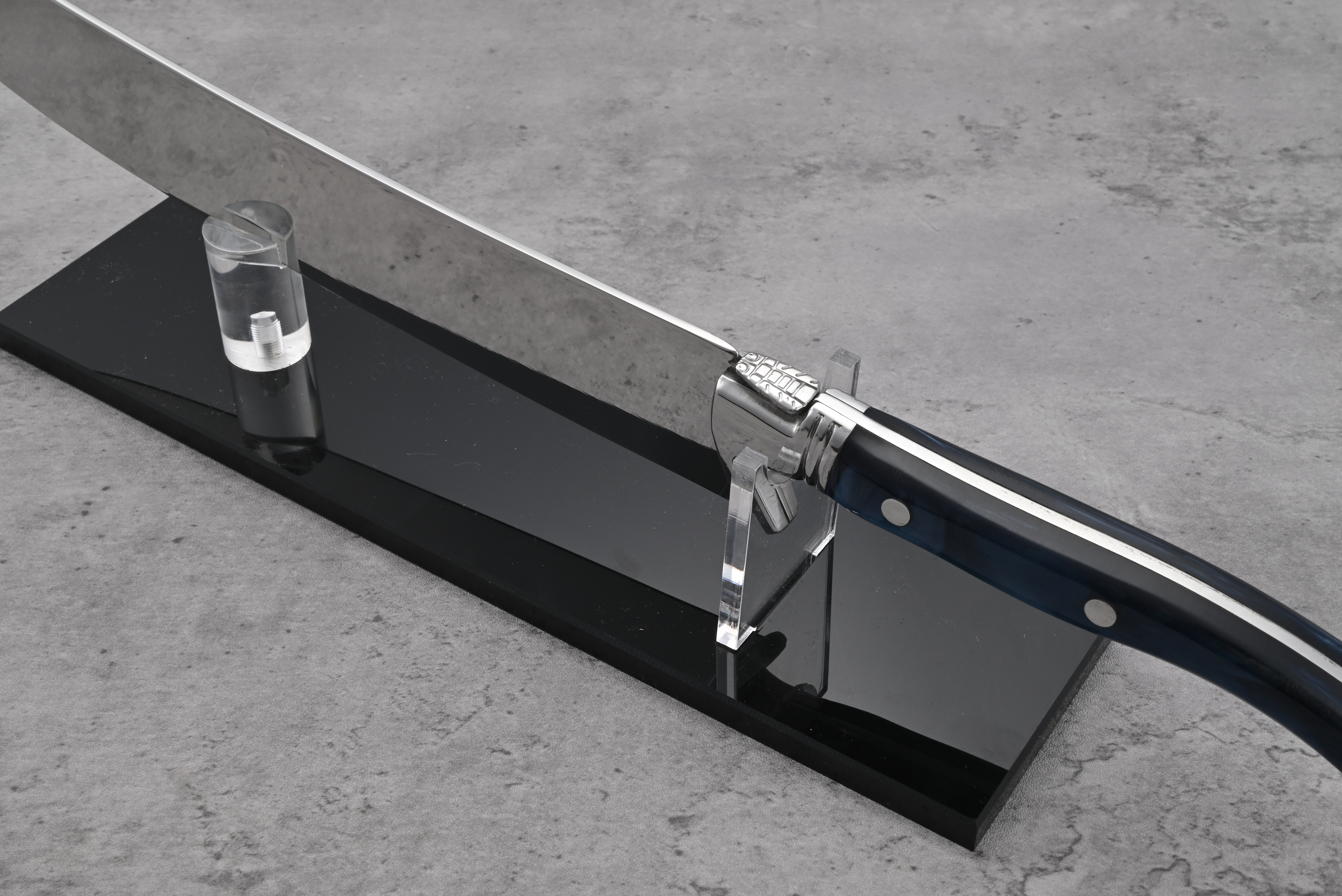
- Store your champagne knife in a safe place, preferably in a protective sheath or case to prevent damage to the blade.


