
- Home
- Products
- About Us
- OEM/ODM
- VR
- Resources
- Contacts


Views: 288 Author: Insight Publish Time: 2026-01-15 Origin: Insight


Content Menu
● The History of Champagne and Its Opening Rituals
>> The Evolution of Opening Champagne
● The Technique of Using a Champagne Knife
>> Preparing to Open the Bottle
● The Significance of the Champagne Knife
Champagne is often associated with celebration, luxury, and special occasions. The act of opening a bottle of champagne is a ritual in itself, and it can be elevated to an art form with the use of a champagne knife. This article explores the history, technique, and significance of the champagne knife, as well as tips for using it effectively.

Champagne, a sparkling wine produced in the Champagne region of France, has a rich history that dates back centuries. The method of producing sparkling wine was developed in the 17th century, and it quickly became a favorite among the French aristocracy. The unique characteristics of champagne, including its bubbles and complex flavors, made it a symbol of luxury and celebration.
Traditionally, champagne bottles were sealed with corks and secured with wire cages. The act of opening a bottle of champagne was often accompanied by a loud pop, which signified the release of pressure and the beginning of a celebration. Over time, various tools and techniques have been developed to enhance this experience, leading to the creation of the champagne knife.
A champagne knife is a specialized tool designed for opening champagne bottles. Unlike a traditional corkscrew, which is used to remove corks from wine bottles, a champagne knife is used to slice through the neck of the bottle, allowing the cork to be released in a controlled manner. This technique is known as sabrage.
Sabrage is the technique of opening a champagne bottle with a sword or a champagne knife. This dramatic method is often performed during celebrations and special events, adding an element of excitement and flair. The technique involves sliding the blade along the neck of the bottle to break the glass and release the cork.
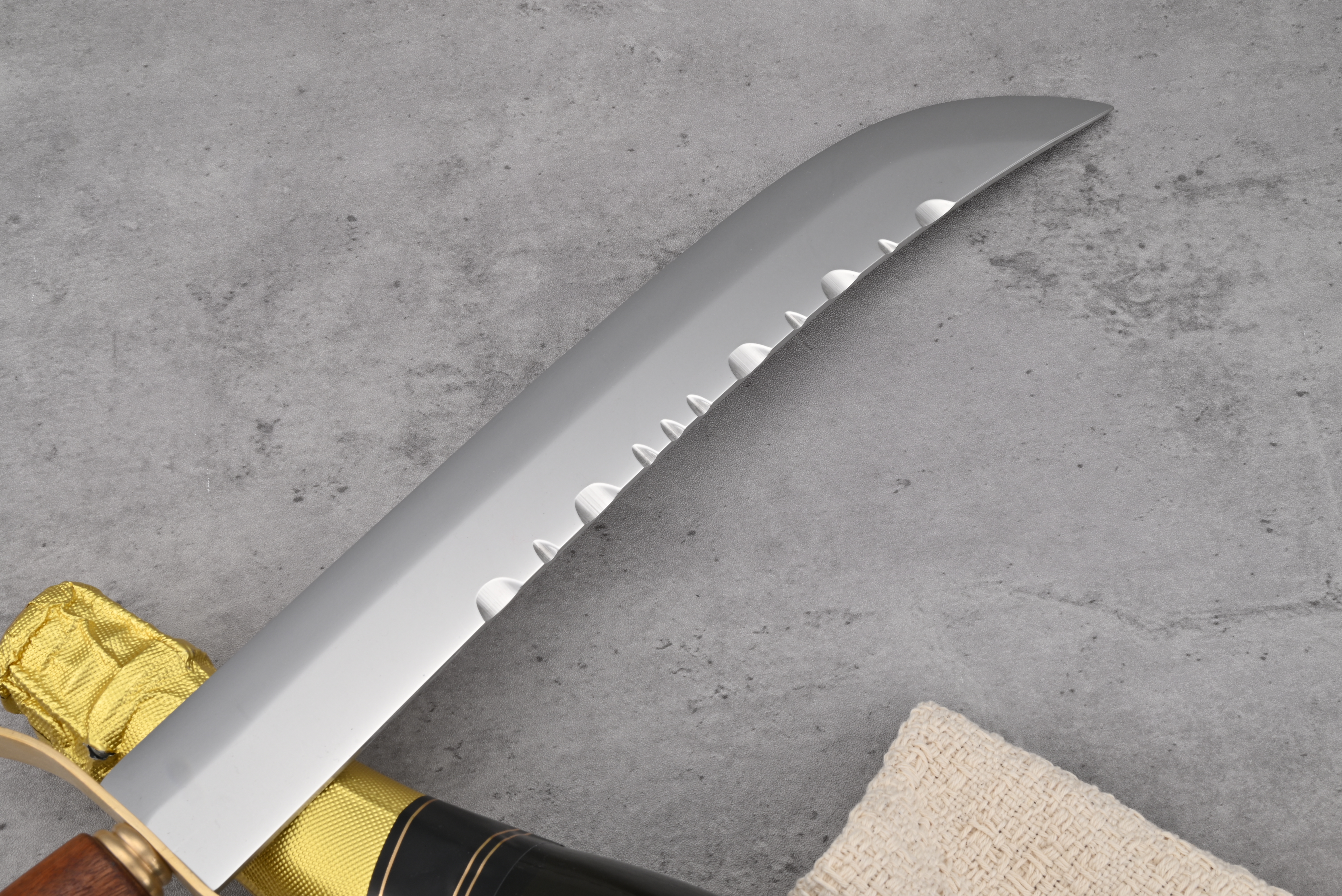
Before attempting to open a bottle of champagne with a knife, it is essential to prepare properly. Here are the steps to follow:
1. Choose the Right Bottle: Select a bottle of champagne that is well-chilled. The ideal temperature for serving champagne is between 45°F and 50°F. A well-chilled bottle will have the right amount of pressure, making it easier to open.
2. Select Your Knife: A champagne knife is typically a blunt blade designed for this purpose. Ensure that the knife is clean and in good condition.
3. Position the Bottle: Hold the bottle at a 45-degree angle, pointing away from yourself and others. This position allows for a safe and controlled opening.
Once you are prepared, follow these steps to perform sabrage:
1. Locate the Seam: Identify the seam of the bottle, which runs vertically along the neck. This is the weakest point of the glass.
2. Position the Knife: Place the blade of the champagne knife against the neck of the bottle, just below the cork. Ensure that the blade is aligned with the seam.
3. Make the Cut: With a swift motion, slide the blade along the neck of the bottle towards the cork. The force should be firm enough to break the glass but controlled to avoid shattering the bottle.
4. Release the Cork: As you slide the blade, the cork will pop off, and the champagne will be ready to pour. Be cautious of the glass shards that may be released during this process.
The champagne knife is more than just a tool; it represents the joy and excitement of celebration. The act of opening a bottle of champagne with a knife adds a theatrical element to any event, making it memorable for all involved.
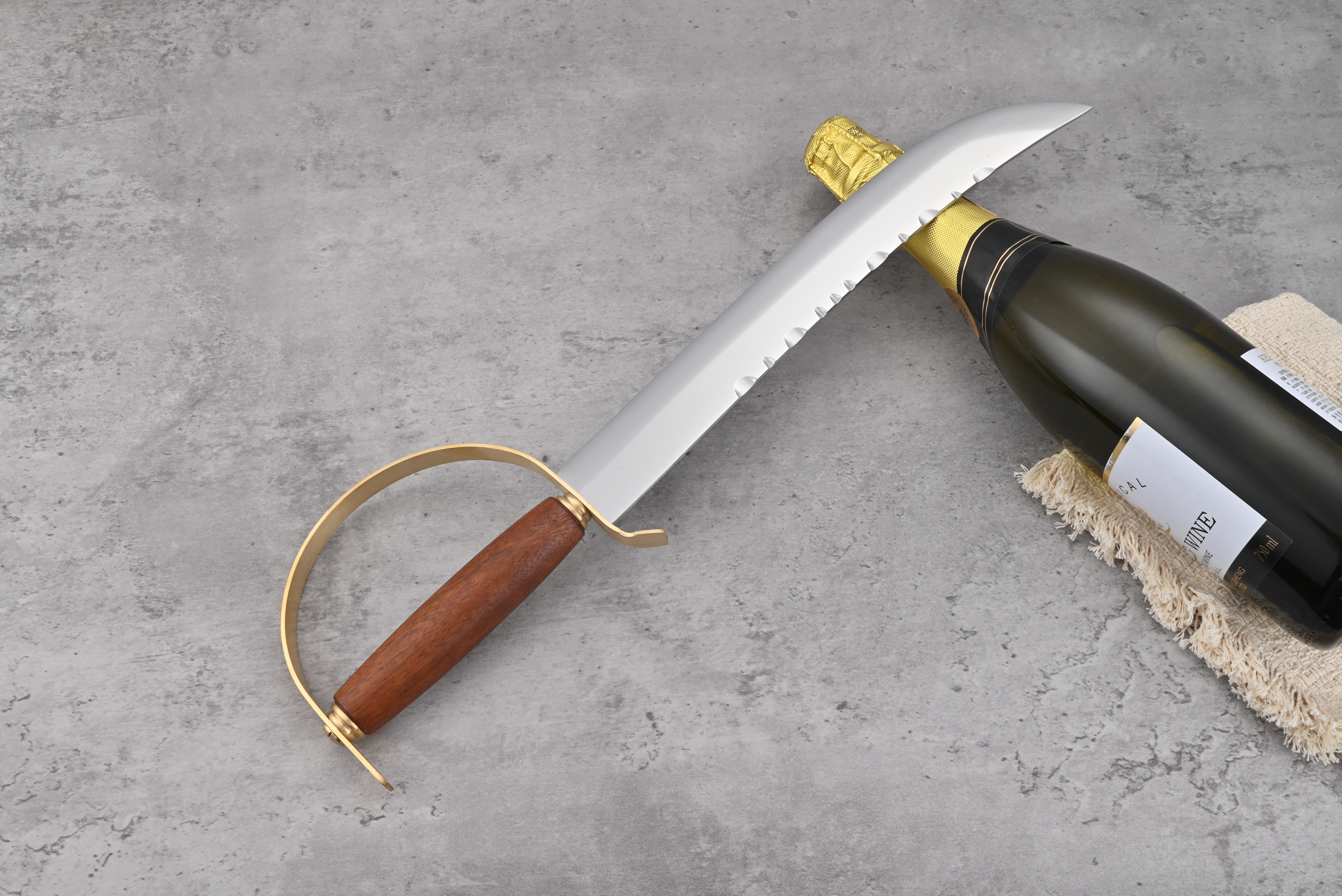
Using a champagne knife is a tradition that has been passed down through generations. It embodies the elegance and sophistication associated with champagne and fine dining. Many people enjoy learning the art of sabrage as a way to connect with this rich history.
When using a champagne knife, safety should always be your top priority. Here are some tips to ensure a safe experience:
- Always point the bottle away from yourself and others.
- Use a sturdy knife designed for sabrage.
- Be aware of your surroundings and ensure that no one is in the line of fire.
Sabrage is best suited for special occasions such as weddings, anniversaries, or milestone celebrations. The dramatic flair of opening a bottle with a knife adds to the festive atmosphere.
Like any skill, mastering the art of sabrage takes practice. Consider practicing with a few empty bottles before attempting it with a full bottle of champagne. This will help you gain confidence and improve your technique.
The champagne knife is a unique and elegant tool that enhances the experience of opening a bottle of champagne. Whether you are celebrating a special occasion or simply enjoying a glass of bubbly, the art of sabrage adds a touch of excitement and sophistication. By understanding the history, technique, and significance of the champagne knife, you can elevate your champagne experience to new heights.
---
1. What is a champagne knife?
A champagne knife is a specialized tool used to open champagne bottles by slicing through the neck of the bottle.
2. What is sabrage?
Sabrage is the technique of opening a champagne bottle with a sword or knife, creating a dramatic and celebratory effect.
3. Is it safe to use a champagne knife?
Yes, but safety precautions should be taken, such as pointing the bottle away from yourself and others and using a proper knife.
4. Can I use a regular knife to open champagne?
It is recommended to use a champagne knife designed for this purpose, as it is safer and more effective.
5. What occasions are best for sabrage?
Sabrage is best suited for special occasions like weddings, anniversaries, and celebrations where a dramatic opening is desired.


