
- Home
- Products
- About Us
- OEM/ODM
- VR
- Resources
- Contacts


Views: 288 Author: Insight Publish Time: 2026-01-22 Origin: Insight


Content Menu
● H2: Understanding the Champagne Knife
>> H3: What is a Champagne Knife?
>> H3: The Anatomy of a Champagne Knife
● H2: The History of the Champagne Knife
>> H3: Origins of Champagne and Its Opening Methods
>> H3: Evolution of the Champagne Knife
● H2: How to Use a Champagne Knife
>> H3: Preparing to Open the Bottle
● H2: The Significance of the Champagne Knife
>> H3: A Symbol of Celebration
>> H3: The Role in Champagne Culture
Champagne is often associated with celebration, luxury, and special occasions. When it comes to serving champagne, the presentation is just as important as the drink itself. One of the unique tools that enhance the experience of serving champagne is the champagne knife. In this article, we will explore what a champagne knife is, its history, how to use it, and its significance in the world of champagne.
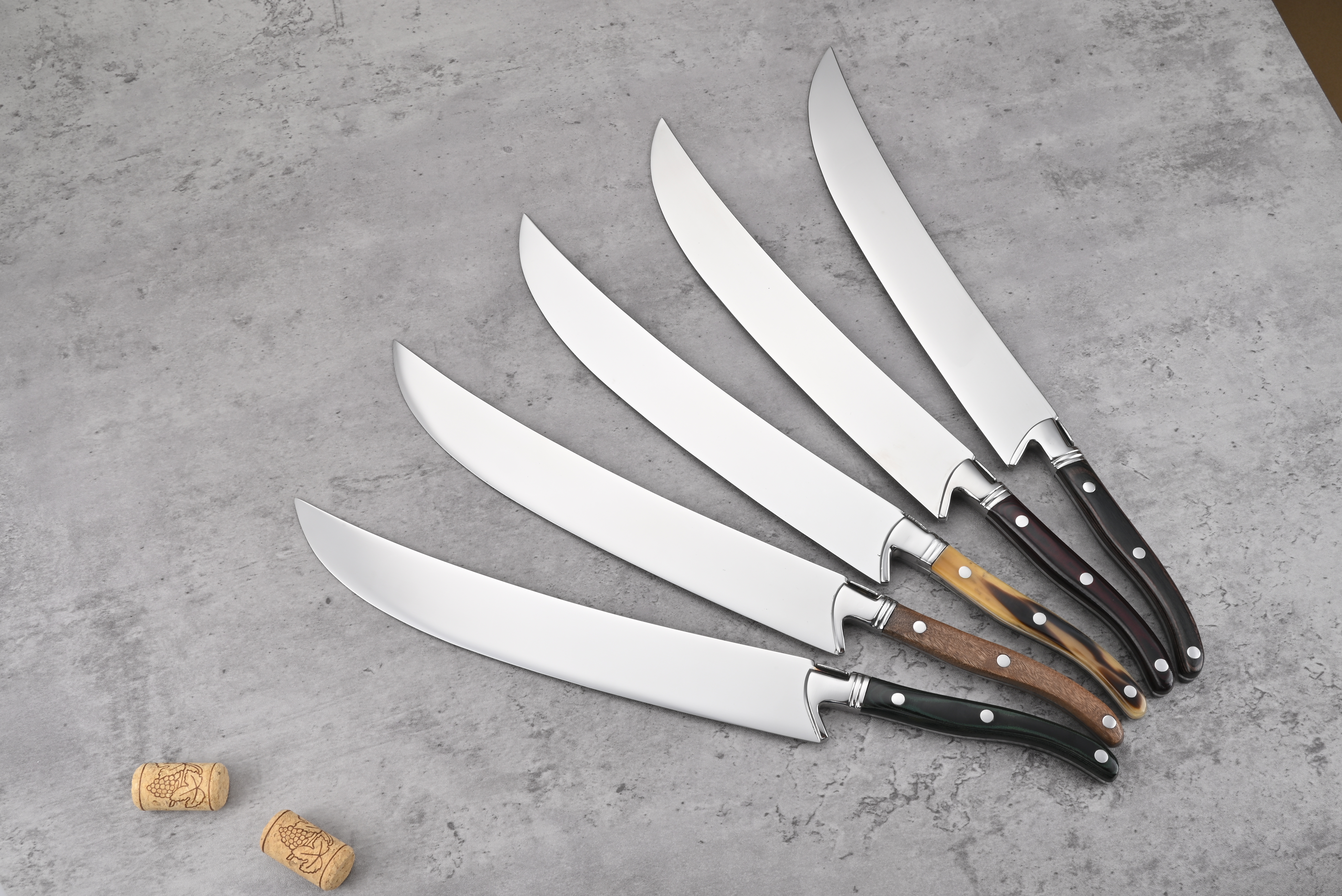
A champagne knife is a specialized tool designed for opening champagne bottles. Unlike traditional corkscrews, which are used for wine bottles, a champagne knife is specifically crafted to cut the wire cage and the cork of a champagne bottle. The design of the knife allows for a clean and safe opening, ensuring that the cork does not pop off unexpectedly, which can lead to spills or accidents.
A typical champagne knife features a sharp blade, often curved, that is used to slice through the wire cage and cork. The handle is usually ergonomically designed for a comfortable grip. Some champagne knives also come with additional features, such as a bottle opener or a corkscrew, making them versatile tools for any celebration.
Champagne has a rich history that dates back to the 17th century. The method of producing sparkling wine was developed in the Champagne region of France. Initially, bottles were sealed with wooden corks and tied with string. As the production of champagne evolved, so did the methods of opening the bottles.
The champagne knife emerged as a practical solution to the challenges of opening champagne bottles safely. The need for a specialized tool became apparent as the popularity of champagne grew, and the risk of corks flying off became a concern.
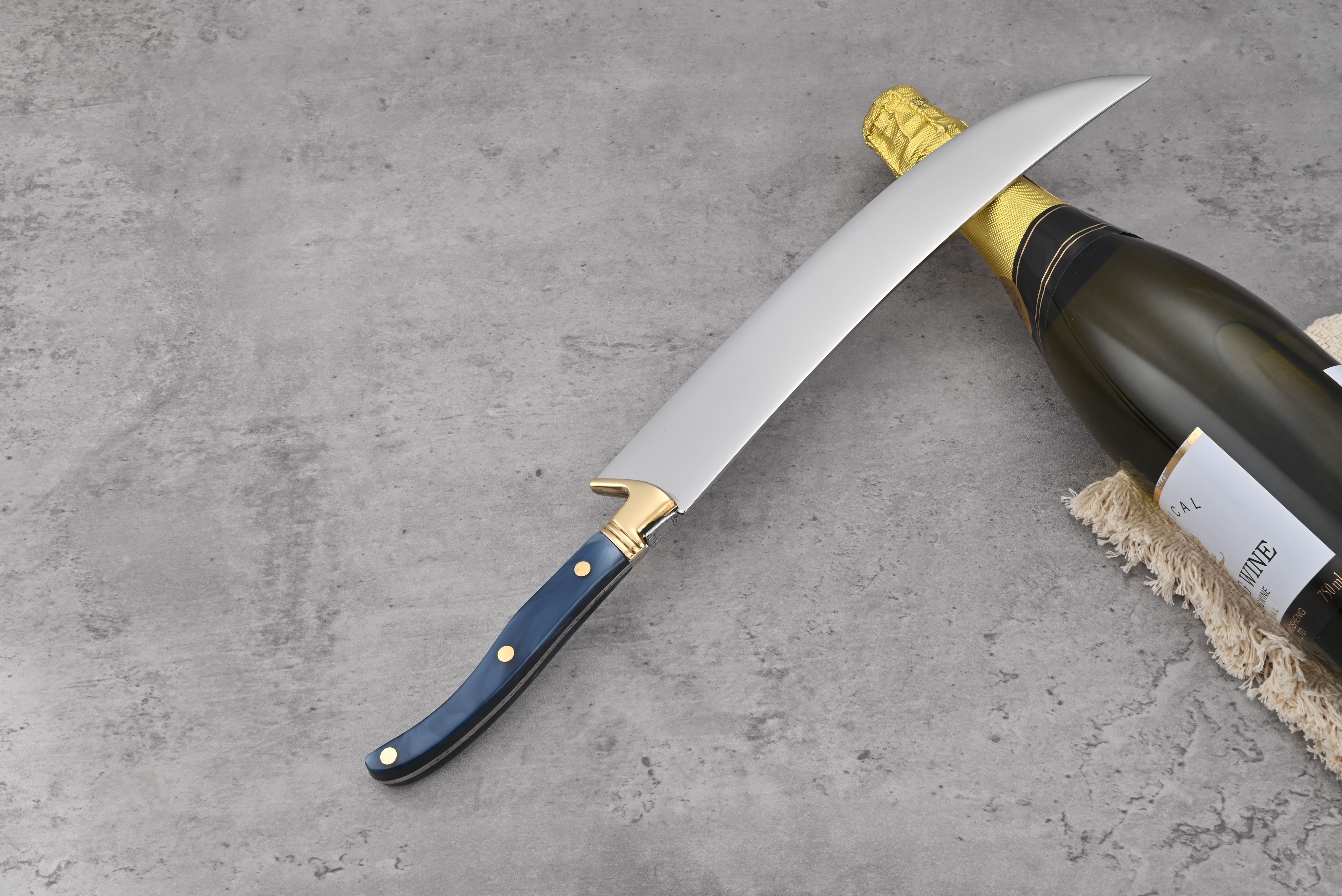
Over the years, the design of the champagne knife has evolved. Early versions were simple and utilitarian, but modern champagne knives often feature elegant designs and high-quality materials. Some are even crafted by renowned artisans, making them collector's items.
Before using a champagne knife, it is essential to prepare the bottle properly. Start by chilling the champagne to the appropriate temperature, usually between 45 to 50 degrees Fahrenheit. This ensures that the champagne is refreshing and that the pressure inside the bottle is manageable.
1. Remove the Foil: Begin by removing the foil that covers the cork. This can usually be done by peeling it away or cutting it with the knife.
2. Loosen the Wire Cage: The wire cage, known as the muselet, secures the cork in place. Use the champagne knife to carefully cut the wire, ensuring that you do not apply too much pressure, as the cork may pop unexpectedly.
3. Angle the Bottle: Hold the bottle at a 45-degree angle away from yourself and others. This position helps to control the cork's release.
4. Cut the Cork: With the knife, gently cut the cork's top, being cautious of the pressure inside the bottle. A swift, controlled motion is best to avoid any accidents.
5. Release the Cork: Slowly twist the bottle while holding the cork to release it gently. The goal is to let the cork come out with a soft "pop," which is part of the champagne experience.
When using a champagne knife, safety is paramount. Always point the bottle away from yourself and others. Be mindful of the pressure inside the bottle, as it can cause the cork to fly off unexpectedly. Practice makes perfect, so if you are new to using a champagne knife, consider practicing with a non-alcoholic beverage first.
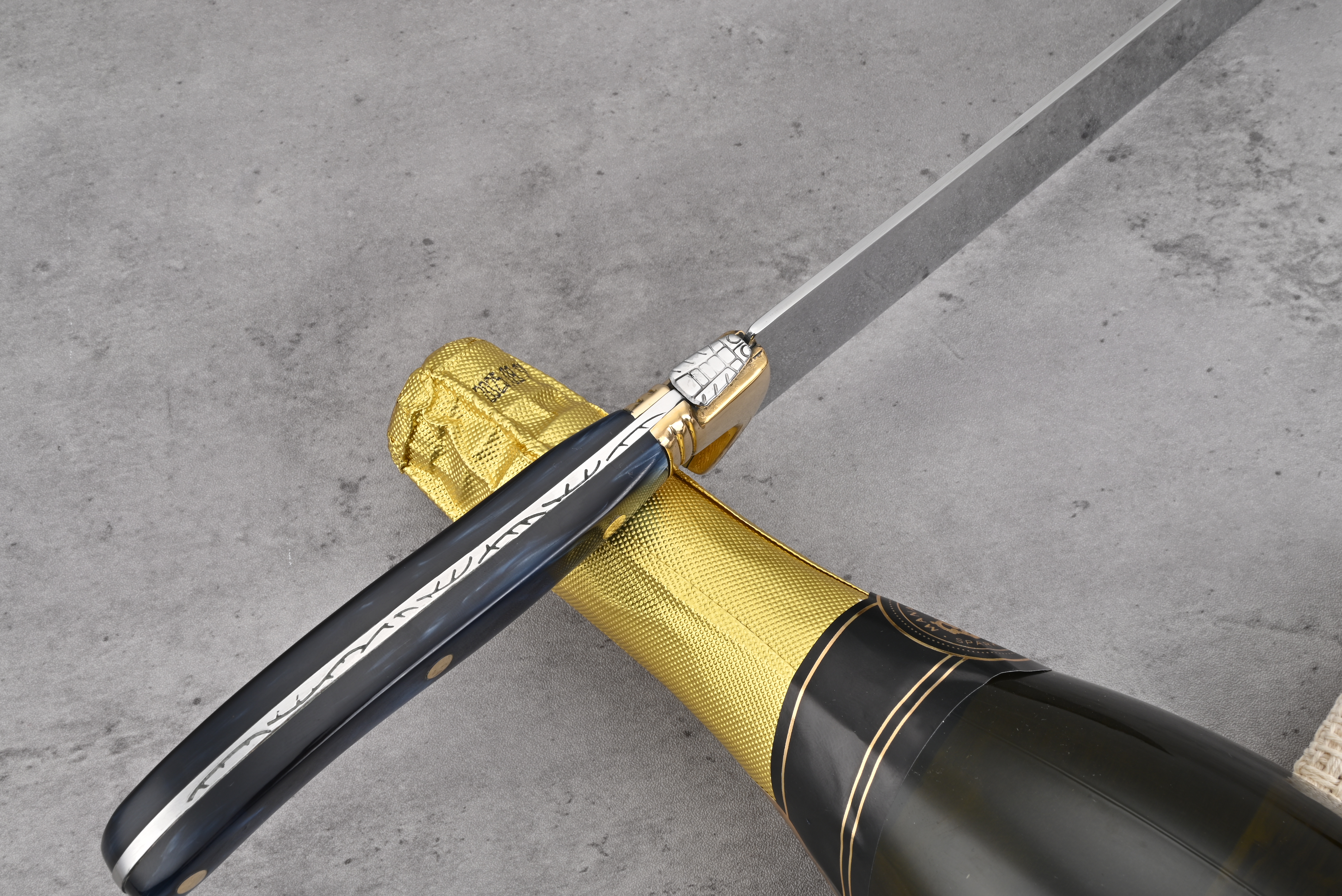
The champagne knife is more than just a tool; it is a symbol of celebration and festivity. The act of opening a bottle of champagne is often accompanied by joy and excitement, making the champagne knife an essential part of the experience.
For many enthusiasts, champagne knives are not just functional tools but also collector's items. High-quality knives made by renowned manufacturers can be quite valuable. Collectors often seek out unique designs, limited editions, and knives that reflect the history of champagne.
In the world of champagne, the champagne knife plays a vital role in the culture surrounding this luxurious beverage. It is often featured in high-end restaurants, at weddings, and during special events. The proper use of a champagne knife can elevate the experience of serving and enjoying champagne.
In conclusion, the champagne knife is an essential tool for anyone who enjoys champagne. Its unique design, rich history, and significance in the world of celebrations make it a fascinating subject. Whether you are a casual drinker or a serious collector, understanding the champagne knife enhances your appreciation for this sparkling beverage.
As you prepare to celebrate with champagne, remember the importance of the champagne knife. It is not just a tool; it is a part of the ritual that makes the experience of enjoying champagne truly special.
---
1. What is the primary purpose of a champagne knife?
- The primary purpose of a champagne knife is to safely open champagne bottles by cutting the wire cage and cork.
2. How do you properly use a champagne knife?
- To use a champagne knife, remove the foil, loosen the wire cage, angle the bottle away from yourself, cut the cork, and gently release it.
3. Is a champagne knife necessary for opening champagne?
- While not strictly necessary, a champagne knife makes the process safer and more elegant compared to using other tools.
4. Can you use a regular knife to open champagne?
- It is not recommended to use a regular knife, as it may not provide the same level of safety and control as a champagne knife.
5. Are champagne knives collectible items?
- Yes, many champagne knives are considered collectible, especially those made by renowned artisans or featuring unique designs.


