
- Home
- Products
- About Us
- OEM/ODM
- VR
- Resources
- Contacts


Views: 230 Author: Insight Publish Time: 2026-03-02 Origin: Insight


Content Menu
● We held a Fire-drill -Yangjiang Insight knife manufacter
>> The Significance of Safety in the Knife Industry
>> Preparing for the Unexpected: The Planning Stage
>>> Defining Objectives and Scenarios
>> The Alarm Sounds: Execution and Evacuation
>>> Precision in the Forging Workshop
>>> Assembly and Packaging Response
>> Hands-On Technical Training and Skill Building
>>> Mastering Fire Extinguishing Techniques
>>> Emergency Medical Coordination
>> Post-Drill Evaluation and Continuous Improvement
>>> Analyzing Metrics and Response Times
>> Building a Sustainable Safety Culture
>>> Beyond Compliance: A Human-Centric Approach
>> Conclusion: A Cohesive Summary of Safety
Yangjiang, often hailed as the “Capital of Knives and Scissors” in China, is home to a vast ecosystem of manufacturing excellence. Among these, Yangjiang Insight Knife Manufacturer has long stood as a beacon of quality, precision, and craftsmanship. However, the pursuit of the perfect blade is not merely about the sharpness of the steel or the ergonomics of the handle; it is fundamentally rooted in the safety and well-being of the people who bring these tools to life. In a high-stakes industrial environment where heat treatment, high-speed grinding, and heavy machinery are daily staples, the risk of fire is a constant, albeit managed, shadow. Recognizing this, our facility recently conducted a comprehensive, large-scale fire drill designed to test our systems, our people, and our collective resolve.

The importance of fire safety in a knife manufacturing plant cannot be overstated. The production process involves multiple stages that are inherently high-risk. Forging requires intense heat, often reaching temperatures that can ignite surrounding materials if not strictly controlled. The grinding and polishing phases generate significant amounts of fine metal dust, which, under the right conditions, can become highly combustible. Furthermore, the chemicals used in cleaning and coating blades require specialized storage and handling. For Insight, a fire drill is not a mere bureaucratic box to tick; it is a vital exercise in protecting our most valuable assets: our employees and our heritage of manufacturing.
A successful fire drill is the result of weeks of meticulous planning. Long before the first alarm echoed through the workshops, our dedicated Safety Committee collaborated with the local Yangjiang Fire Bureau to draft a realistic and challenging scenario. The goal was to simulate a situation that would require a coordinated response from every department, from the administrative offices to the high-intensity forging floor.
The primary objective of the drill was to ensure that every individual on-site knew exactly where to go and what to do within seconds of an alarm. We established specific Key Performance Indicators (KPIs) for the exercise, including a target evacuation time of under three minutes for the entire facility. We also focused on the"Three-Minute Rule"which dictates that if a fire can be contained within the first three minutes by on-site staff, the risk of catastrophic loss is reduced by over eighty percent.
The scenario involved a simulated electrical fault in the packaging and warehouse sector—an area dense with cardboard boxes and wooden crates. This choice was intentional, as it represented a high-fuel-load environment where a fire could spread rapidly if not addressed with immediate precision. To add a layer of realism, we designated "missing"persons who were tasked with staying behind in safe, pre-arranged locations to test the thoroughness of our floor wardens'sweep procedures.
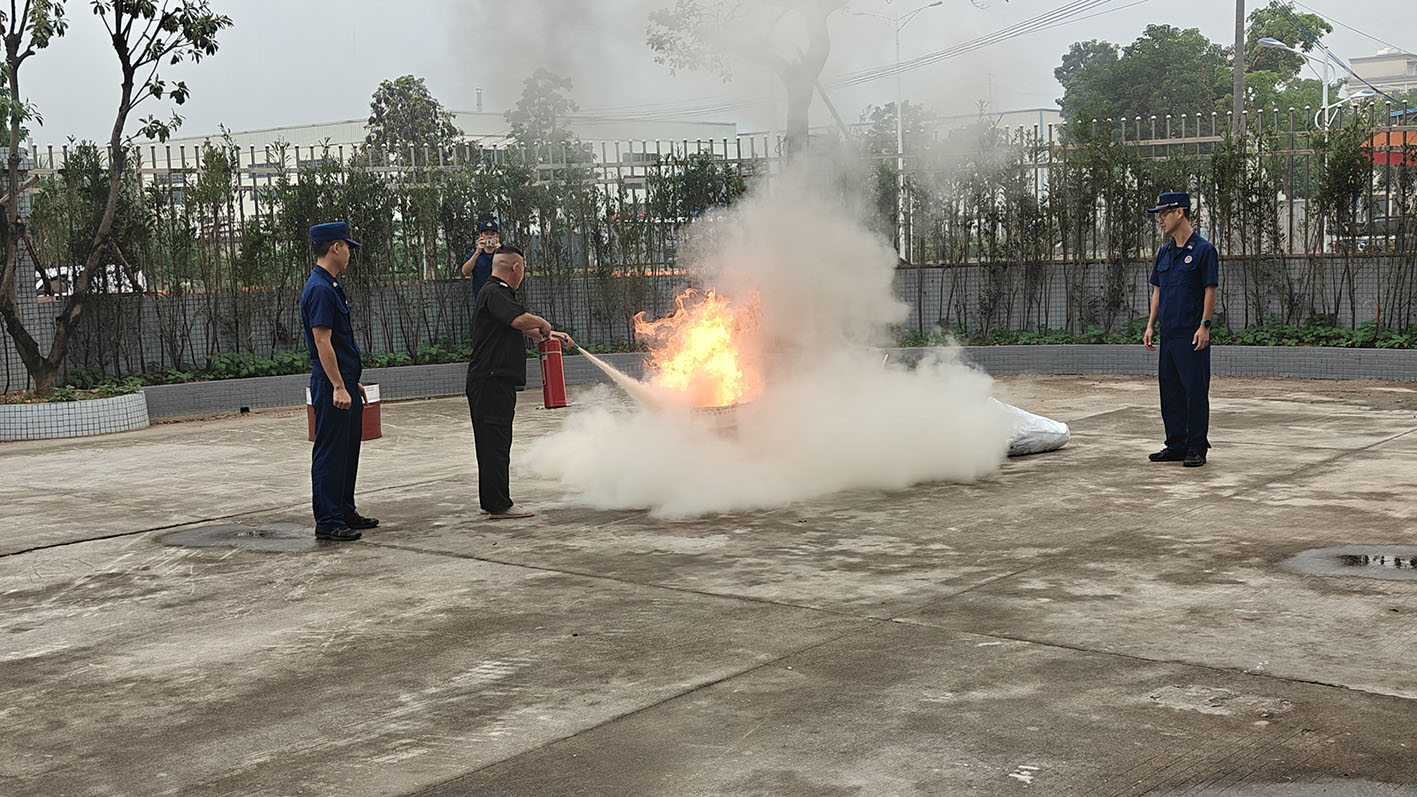
At exactly 10:00 AM on a Tuesday, the silence of the production floor was pierced by the rhythmic, high-decibel pulse of the fire alarm. This was the moment of truth. For many workers, the initial reaction was one of focused surprise, but the months of training and the presence of clear, illuminated exit signs quickly guided their instincts.
In the forging department, where massive hammers and furnaces operate, the shutdown procedure is complex. Workers did not simply run; they followed a disciplined sequence to cut off gas lines and power down induction heaters. This is a critical step in a knife factory, as leaving a furnace unattended or a gas line open could turn a manageable fire into an explosion. Within sixty seconds, the roar of the machinery had faded, replaced by the sound of orderly footsteps heading toward the designated assembly points.
The assembly and packaging areas, being closest to the simulated fire source, had the most urgent task. Floor wardens, wearing bright neon vests and equipped with megaphones, directed the flow of people away from the"smoke"(simulated by non-toxic fog machines). The transition from the indoor workshops to the outdoor assembly area was handled with remarkable calm. There was no pushing, no panic—only the steady march of a team that understood the gravity of the exercise.
Once the evacuation was complete and the"All Clear"was given by the Safety Committee, the drill transitioned into its second phase: practical, hands-on training. It is one thing to know where an exit is; it is quite another to know how to fight a fire when every second counts.
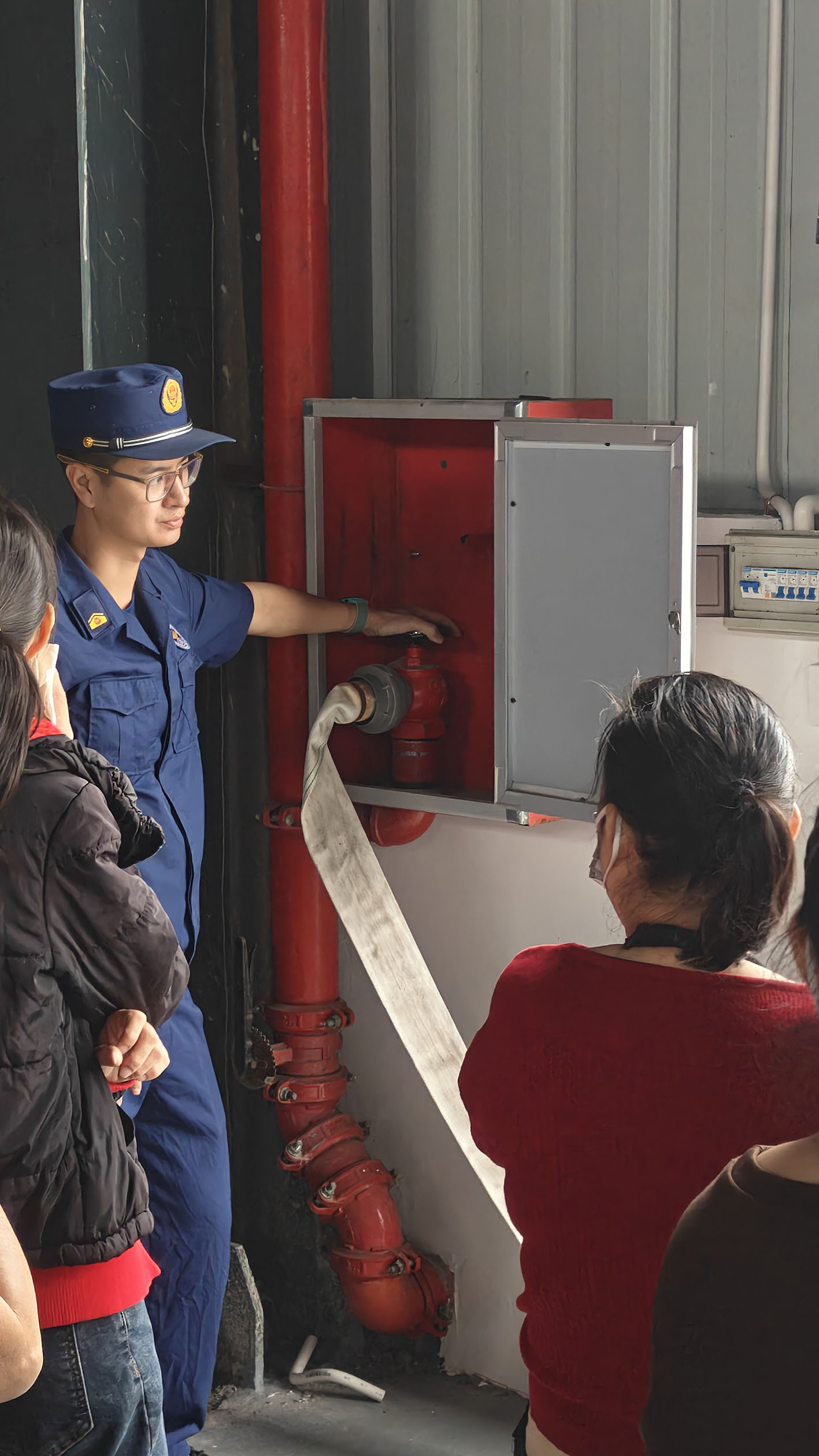
On the open grounds of the facility, we set up several controlled fire pits. Groups of employees were brought forward to practice the PASS technique: Pull the pin, Aim at the base of the fire, Squeeze the handle, and Sweep from side to side. We ensured that workers used different types of extinguishers, including CO2 for electrical fires and dry powder for general combustibles. This practical experience is invaluable; it demystifies the equipment and builds the "muscle memory" needed to act decisively during a real emergency.
Simultaneously, our internal First Aid team practiced their response to smoke inhalation and burn injuries. Using life-sized mannequins, they demonstrated the correct way to stabilize a victim and move them to a triage area. We also simulated the arrival of local emergency services, practicing the hand-off of information between our site leads and professional first responders. This level of communication is often the weakest link in emergency response, and our drill highlighted the need for clear, concise reporting of "what, where, and who."
The final whistle of the drill did not mark the end of the day's work. Instead, it moved to the boardroom for a rigorous debriefing session. At Insight, we believe that an"easy" drill is a failed drill. We look for the friction points, the delays, and the misunderstandings.
The data showed that we achieved a full evacuation in two minutes and forty-five seconds—fifteen seconds ahead of our target. However, the debrief revealed that one of the rear exit doors in the polishing department was slightly obstructed by a pallet of unfinished blades. This was an immediate "teachable moment". While the door was still functional, the obstruction could have caused a bottleneck in a real crisis. Within an hour of the drill, new "No Parking/No Storage" zones were painted in bright yellow on the floor to ensure that every exit remains perfectly clear 24/7.
Ultimately, the fire drill at Yangjiang Insight Knife Manufacturer was about more than just smoke and sirens. It was an investment in our culture. When a company halts production—essentially stopping the clock on its revenue—to focus on safety, it sends a powerful message to every employee: "Your life is more important than our output."
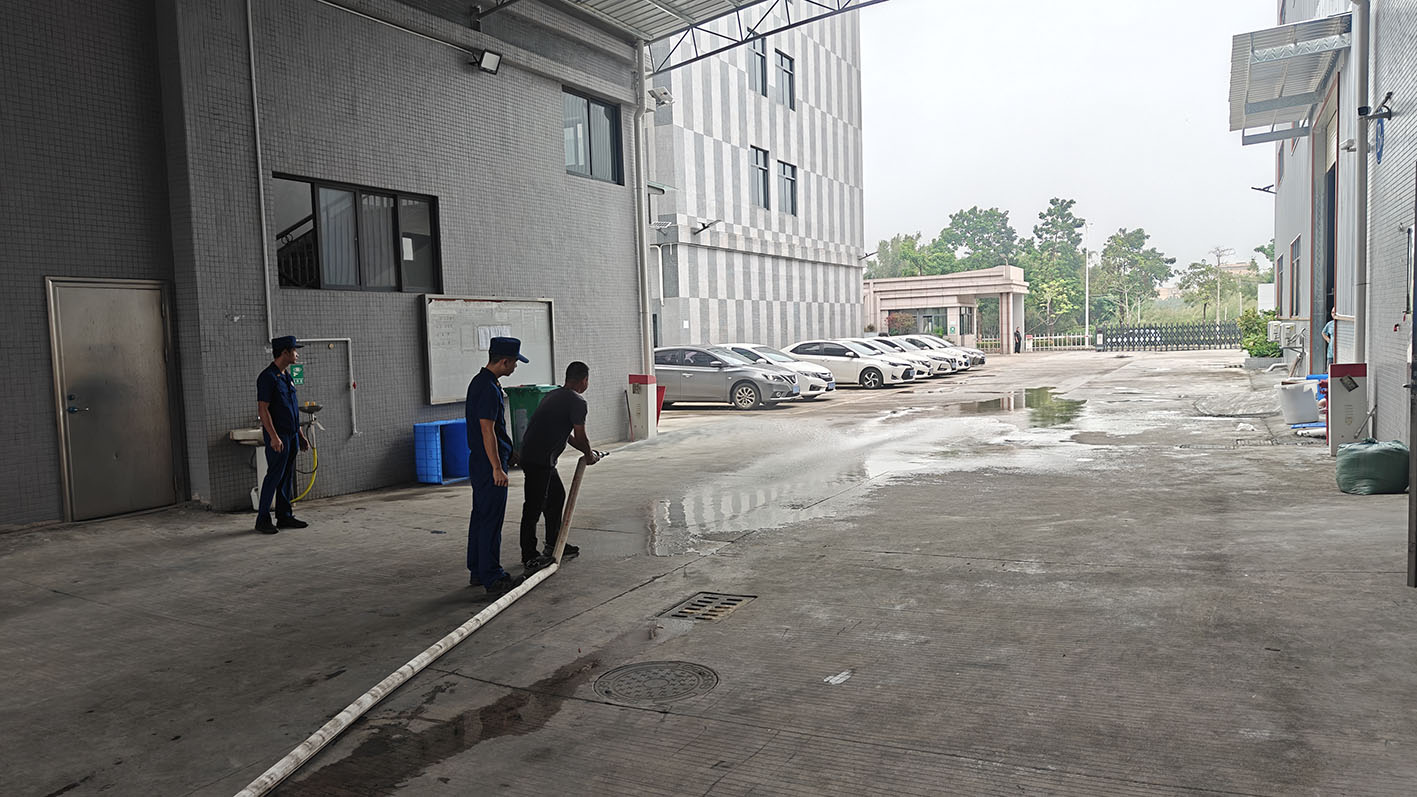
This human-centric approach to manufacturing is what differentiates a world-class facility from a standard workshop. By empowering our workers with the knowledge and tools to stay safe, we foster a sense of ownership and loyalty. A safe worker is a focused worker, and a focused worker produces the high-quality knives that our customers around the globe have come to expect.
As we look toward the future, Insight will continue to innovate not just in blade geometry and steel metallurgy, but in the systems that keep our community whole. We have already scheduled our next drill for the autumn, which will include a nighttime simulation to test our third-shift response. In the world of manufacturing, the only constant is change, and the only defense against disaster is relentless preparation.
The fire drill conducted at Yangjiang Insight Knife Manufacturer was a resounding success, demonstrating the synergy between industrial discipline and emergency preparedness. By simulating a high-risk scenario in the packaging department, the company was able to validate its evacuation protocols, achieving a full site clearance in under three minutes. The exercise went beyond simple movement, incorporating technical training in fire suppression and medical response, ensuring that employees are not just evacuees, but active participants in their own safety. The identification of a minor obstruction at one exit provided a crucial opportunity for immediate structural improvement, highlighting the value of the debriefing process. Ultimately, the drill reinforced Insight's commitment to a safety-first culture, proving that in the heart of China's knife capital, the sharpest tool in the shed is a well-prepared mind.
---
Q1: Why is a fire drill particularly important for a knife manufacturer?
A1: Knife manufacturing involves high-heat forging, combustible metal dust from grinding, and chemical treatments. These factors create unique fire risks that require specific shutdown procedures and specialized extinguishing techniques to prevent industrial accidents.
Q2: What was the target evacuation time for the Insight factory drill?
A2: The target evacuation time was set at under three minutes. The facility successfully achieved a full evacuation in two minutes and forty-five seconds during the recent exercise.
Q3: What is the "PASS" technique mentioned in the training?
A3: PASS is a four-step acronym for operating a fire extinguisher: Pull the pin, Aim at the base of the fire, Squeeze the handle, and Sweep from side to side.
Q4: How did the company handle the "missing persons" scenario during the drill?
A4: Specific individuals were assigned to hide in safe locations to test whether the floor wardens performed a thorough sweep of their designated areas before declaring the building empty.
Q5: What was the specific improvement made following the post-drill evaluation?
A5: The team identified a slight obstruction near an exit in the polishing department. In response, they immediately implemented and painted "No Storage"zones to ensure all pathways remain clear at all times.


