
- Home
- Products
- About Us
- OEM/ODM
- VR
- Resources
- Contacts


Views: 238 Author: Insight Publish Time: 2026-04-03 Origin: Insight


Content Menu
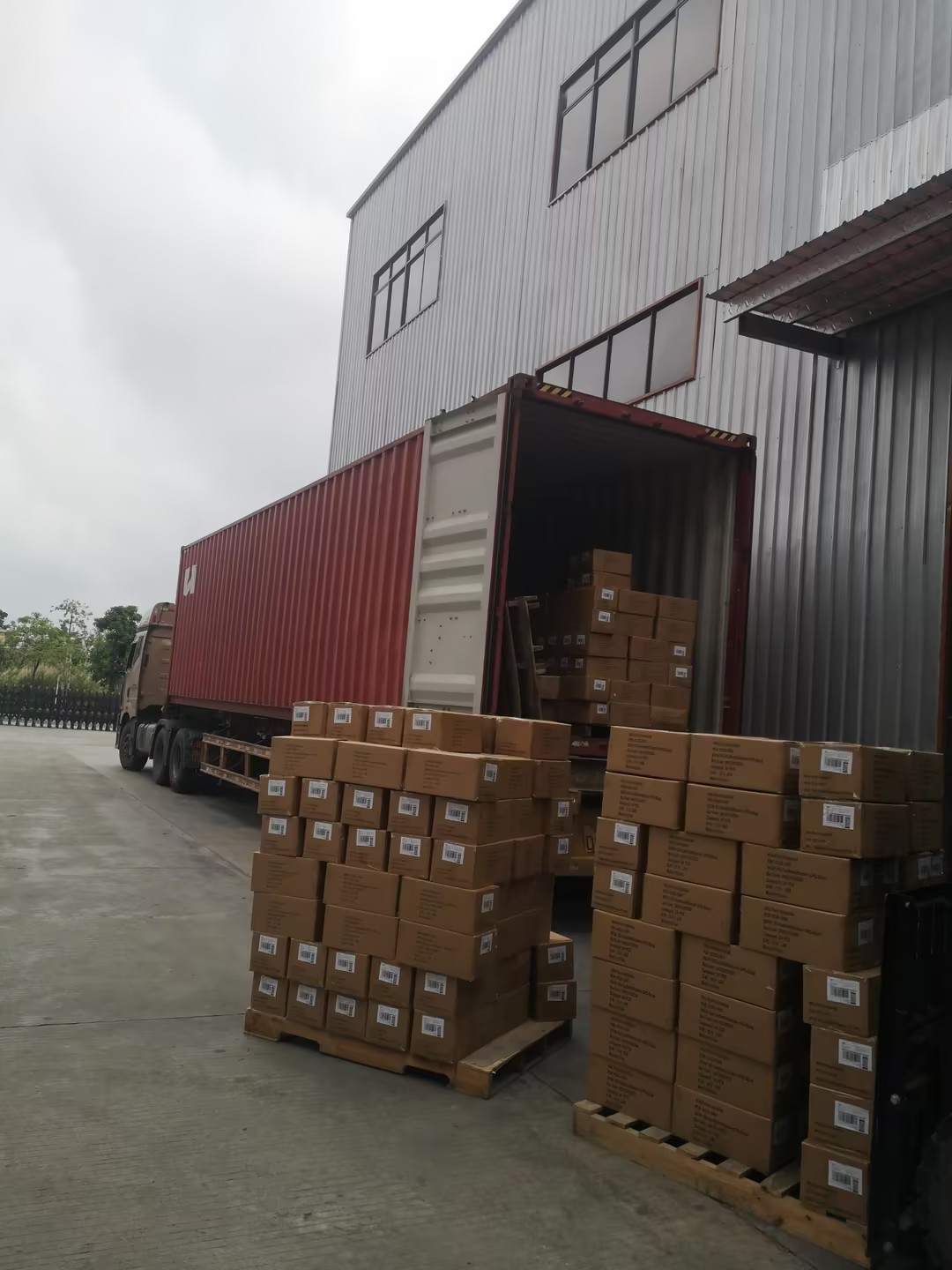
● Shipment! We will keep on Fighting!
>> The Unseen Complexity of Global Logistics
>> Building Fortitude Against Global Volatility
>> The Future of the Logistics Battleground
>> Summary
In the vast, interconnected arena of global commerce, the movement of goods acts as the lifeblood of civilization. Every single day, an astronomical volume of freight—ranging from essential medical supplies and food to the components that power our technological infrastructure—navigates through an intricate web of ports, railways, highways, and skies. The mantra "Shipment! We will keep on Fighting!" serves as both a testament to the dedication of the thousands of individuals involved in this process and a recognition of the immense complexity inherent in modern logistics. It is a declaration of persistence, an acknowledgment that despite the inevitable friction caused by global volatility, the mission to deliver remains the top priority.

Logistics is often invisible to the average consumer. When a package arrives at a doorstep, the recipient rarely considers the Herculean effort required to facilitate that delivery. The journey of a single shipment involves a sequence of handoffs, digital data synchronization, customs declarations, and physical transfers that must occur with surgical precision. To keep this system functioning, professionals in the industry engage in a daily battle against time, geography, and bureaucracy.
"Fighting" in this context is not a combative act, but a metaphor for the relentless problem-solving mindset required to overcome systemic bottlenecks. Whether it is navigating port congestion, managing the impact of extreme weather events on transport routes, or dealing with the sudden fluctuation of fuel costs, the logistical network requires constant vigilance. The ability to pivot when plans are disrupted is what defines a successful supply chain. It is an industry built on the foundation of human willpower, where dispatchers, warehouse managers, and freight forwarders constantly adjust variables to ensure that the stream of commerce never halts.
The landscape of international trade has undergone a dramatic transformation in recent years. We have moved from an era of relatively stable, predictable global supply chains into a period defined by heightened sensitivity to external shocks. Global health events, regional geopolitical tensions, and shifts in international trade policy have all converged to create an environment where the status quo is constantly threatened. In response, the industry has undergone a paradigm shift, transitioning from a singular focus on efficiency to a balanced approach that prioritizes resilience.
Resilience is the capacity of a supply chain to maintain its core functions even when subjected to severe pressure. Achieving this is a difficult task that requires a fundamental rethinking of traditional business models. Instead of relying on a single, lowest-cost source for components, companies are now looking toward more robust structures. This evolution is driven by several strategic initiatives:
- Strategic Diversification: By decentralizing production and sourcing, companies are reducing their dependency on single regions or suppliers. This creates a distributed network that can withstand localized disruptions without halting global operations.
- Regionalization and Nearshoring: Bringing manufacturing operations closer to end markets is becoming a dominant trend. By minimizing the physical distance goods must travel, companies can significantly reduce their exposure to international logistical risks while simultaneously shortening delivery timelines.
- Digital Transformation: Data is the new currency of logistics. The deployment of advanced tracking, artificial intelligence-driven demand forecasting, and real-time visibility platforms allows organizations to anticipate potential issues before they manifest. When a potential disruption is identified, these tools enable proactive decision-making that saves time and mitigates financial losses.
These strategies collectively represent the "fight" for stability. By investing in better data, more flexible partnerships, and optimized infrastructure, the industry is not just reacting to chaos—it is actively working to contain it.
As we look toward the future, the demands placed on the global logistics infrastructure will only intensify. The rise of e-commerce, the need for sustainable, carbon-neutral shipping methods, and the ongoing push for greater transparency in supply chains are shaping a new era. Managing these competing demands requires a high degree of leadership and innovation. The modern logistics professional must be as comfortable navigating international trade law as they are utilizing sophisticated software suites to track container movements.
Furthermore, the importance of sustainability cannot be overstated. As the industry strives to reduce its environmental footprint, new challenges arise. Transitioning to electric vehicles for last-mile delivery, utilizing more energy-efficient maritime vessels, and optimizing routes to reduce fuel consumption are all critical battles in the ongoing campaign for a more sustainable future. This requires long-term planning and substantial capital investment, yet it is a fight that the industry must win to remain relevant in a changing world.
"Shipment! We will keep on Fighting!" is not merely a slogan for the present moment; it is a commitment to the long-term endurance of our global economic framework. It recognizes that while individual shipments are the immediate concern, the broader goal is to maintain the connectivity that allows societies to function, innovate, and thrive. Every successful delivery is a victory against uncertainty, and the collective resolve of the logistics community ensures that even in the face of daunting challenges, the world keeps moving.
1. Why is logistics described as a battle or a fight in the modern economy?
Logistics is described this way because it involves constant struggle against unpredictable variables such as congestion, environmental hazards, and political instability. Keeping goods moving requires continuous problem-solving and persistent effort to overcome these obstacles.
2. What is the shift from efficiency-based models to resilience-based models?
Previously, the primary goal was to minimize costs by making supply chains as lean as possible. Now, companies prioritize resilience, which means building in extra capacity, redundancy, and flexibility to ensure they can recover quickly from unforeseen disruptions, even if it costs more.
3. How does nearshoring impact the global supply chain?
Nearshoring reduces the distance between the manufacturer and the customer. This shortens lead times, simplifies customs processes, and makes supply chains less vulnerable to the types of disruptions that affect long-distance, multi-modal international transit.
4. What role does digital technology play in preventing supply chain failures?
Digital technology provides the transparency and data visibility required to manage complex networks. By using predictive analytics, companies can foresee potential issues and move goods or resources proactively, rather than reacting after a shipment has already been delayed.
5. How are environmental sustainability goals affecting current logistics operations?
Sustainability has become a central challenge. Logistics companies are now under pressure to optimize energy usage, reduce emissions during transport, and switch to cleaner technology, all while maintaining the speed and reliability that consumers have come to expect.


