
- Home
- Products
- About Us
- OEM/ODM
- VR
- Resources
- Contacts


Views: 244 Author: Insight Publish Time: 2026-03-26 Origin: Insight


Content Menu
>> The Strategic Vision of Participation
>> Budgeting and Financial Planning
>>> Managing Hidden Costs and Contingencies
>> Designing a Booth that Converts
>>> The Psychology of Booth Layout
>>> Content and Visual Communication
>> Logistics: The Art of Supply Chain Precision
>>> Synchronizing Sample Arrival
>>> The Professionalism of Sales Staff
>>> Developing the Elevator Pitch
>> Pre-Fair Digital Engagement
>>> The Power of Pre-Scheduled Appointments
>>> Social Media and Industry Alliances
>> Final Execution and Show Time Readiness
>> Conclusion
>> Summary
The Canton Fair, held biannually in Guangzhou, remains the definitive cornerstone for global trade in China. For thousands of domestic enterprises and international buyers, the event is more than a commercial exhibition; it is the heartbeat of international supply chains. To walk the halls of this massive complex is to witness the sheer scale of global manufacturing. However, the success experienced by exhibitors on the ground is never accidental. It is the result of months of grueling, meticulous preparation. To be"preparing for the Canton Fair"is to engage in a comprehensive, all-encompassing strategic project that demands the best of a company's operational, marketing, and sales departments.
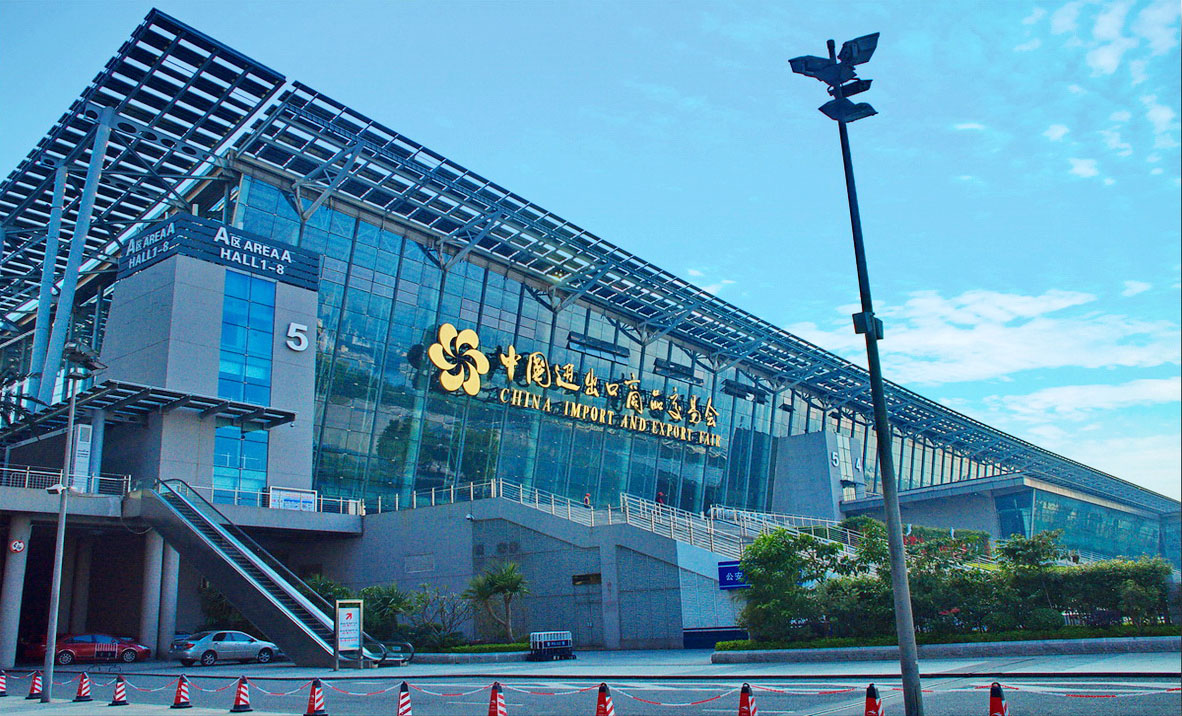
Before a single crate is packed or a booth design is finalized, the executive team must define the overarching strategy. The fair is not merely a place to stand and wait for customers; it is a battleground of brand positioning. Companies must first ask themselves what they intend to achieve. Is the objective to penetrate a new geographic market, launch an innovative product, or secure high-volume contracts with existing distributors?
Defining these goals early allows the company to tailor its entire presentation. If the target is a Western market, the messaging must reflect compliance with international standards and high-end design aesthetics. If the focus is on emerging markets, price competitiveness and volume capacity may be the primary levers of engagement. This strategic phase is the foundation upon which all other preparations rest. Without it, companies risk becoming lost in the noise of thousands of other exhibitors, failing to distinguish their value proposition to busy, discerning international buyers.
The financial commitment involved in the Canton Fair is substantial. It is not limited to the physical cost of renting space. A professional approach to budgeting requires a deep dive into the hidden costs of international exhibition.
Experienced managers know that the budget should be categorized into fixed and variable costs. Fixed costs include booth fees, standard construction, and registration. Variable costs, which often catch companies off-guard, include specialized cargo shipping, booth staffing, premium electrical requirements for live product demos, and promotional materials. Furthermore, there is the investment in high-quality digital assets and client entertainment. Preparing for the fair means creating a buffer, typically at least twenty percent of the total budget, to account for unforeseen logistical hurdles, such as last-minute freight delays or the need for expedited printing of marketing literature.
The booth serves as the physical store, the billboard, and the boardroom for a business. It must capture attention instantly while providing an environment conducive to deep, professional conversations.
An effective layout is never accidental. It is engineered to guide the visitor through a journey. The entrance must be open and inviting, free of clutter, to lower the psychological barrier for entry. As visitors move deeper into the booth, the atmosphere should transition from product-focused to discussion-focused. This means placing high-impact, best-selling products in the most visible areas, while reserving the back of the booth for comfortable seating and private meeting tables. Lighting plays an equally critical role; warm, focused lighting on key products can draw the eye and highlight quality in ways that general overhead lighting cannot.
In an environment where a buyer might walk past a hundred booths in an hour, clarity is the ultimate luxury. High-quality, professional signage should communicate the company's core business within five seconds. Avoid overcrowding banners with excessive text. Instead, rely on high-resolution imagery and bold, clear statements that articulate the unique value proposition. Every visitor should understand exactly what the company provides before they reach the counter.
Logistics is often the most anxiety-inducing phase of preparation. Moving thousands of kilograms of product samples from a factory floor across provinces or borders into a secure, regulated exhibition space requires military-like precision.
The critical path for logistics involves strict scheduling. Samples must be produced, inspected, and packed long before the deadline. Shipping documents, customs declarations, and insurance coverage must be finalized with meticulous attention to detail. A single error in documentation can lead to the goods being stranded in a warehouse while the fair is underway. Therefore, companies should engage specialized freight forwarders who understand the nuances of the Canton Fair's specific regulations and access windows. Maintaining a digital tracking system and having a direct line to on-site coordinators is non-negotiable for those who want to avoid the nightmare of empty display shelves.
The most sophisticated booth and the best products are rendered ineffective if the staff on the floor cannot convert a passerby into a partner. The team on the ground is the most critical component of the entire operation.
Staff training should begin well before the fair. This training must go beyond product specifications. It should involve intensive role-playing regarding how to initiate conversations, how to handle difficult objections, and, crucially, how to read cultural cues from international visitors. Different regions have different negotiation styles. A sales representative must be able to switch gears—from formal and detail-oriented for some markets to casual and relationship-focused for others.
Every member of the team must have a refined, thirty-second pitch that describes the company's competitive advantage. This pitch should be practiced until it flows naturally in every conversation. The ability to articulate the company's value clearly during the first thirty seconds of interaction often determines whether a buyer will stay for a deeper discussion or walk away.

The physical fair starts on the opening day, but the commercial fair begins weeks earlier. A failure to leverage digital channels before the event is a lost opportunity to front-load success.
The most successful exhibitors do not wait for foot traffic. They use the weeks leading up to the fair to conduct email outreach, leveraging their CRM systems to invite top-tier prospects. Offering a specific time slot for a meeting adds value and urgency. By pre-scheduling the most important meetings, a company ensures that its best staff are occupied with the most promising leads, rather than spending their time waiting for random walk-ins.
Marketing the company's presence through LinkedIn, industry newsletters, and partner networks creates a buzz. Sharing content that demonstrates the company's manufacturing capabilities, innovation pipeline, or sustainability efforts builds trust even before the first handshake happens. Posting consistent updates about "getting ready"shows that the company is active, professional, and looking forward to the interactions ahead.
The final days leading up to the fair are a period of rapid-fire execution. This involves finalizing the list of handouts, organizing digital catalogs, and ensuring that every staff member has the necessary tools—business cards, tablets with CRM access, and note-taking materials.
A "war room"approach is recommended during the final week. This means having a centralized coordination point where all team members check in, review their schedules, and confirm that all logistical pieces are in place. Being fully prepared means that when the doors finally open, the team can focus entirely on the customers, having already eliminated the distractions of missing supplies or uncoordinated messaging.
Preparing for the Canton Fair is a monumental task that functions as a litmus test for a company's organizational health. It requires a seamless blend of strategic foresight, logistical mastery, and human-centric skill sets. When a company treats the preparation phase with the seriousness it deserves—investing in the right design, the right team, and the right outreach—the Canton Fair becomes more than just a trip. It becomes a launchpad for long-term growth and international success. The exhaustion of the preparation phase is the price of admission for playing at the highest level of global trade, and for those who put in the work, the results are almost always worth the effort.
1. What is the ideal timeline for starting the preparation for the Canton Fair?
It is highly recommended to begin planning at least five months in advance. This ensures sufficient time for budget planning, booth space acquisition, product sample development, and global marketing outreach.
2. How can a company stand out among thousands of exhibitors?
Standing out requires a combination of high-impact visual design, a clear and concise value proposition, and, most importantly, proactive pre-fair outreach that secures appointments with key buyers before the event begins.
3. What are the common mistakes exhibitors make regarding logistics?
The most common mistake is failing to account for strict customs regulations and shipping deadlines, leading to samples arriving late. Another is neglecting to have a backup plan for when critical materials are delayed or damaged in transit.
4. How should staff be prepared for international buyers?
Staff should undergo cross-cultural communication training to understand different negotiation styles and expectations. They should also be well-versed in product details and possess a practiced, professional elevator pitch.
5. How should a company follow up after the fair?
Effective follow-up should occur within 48 to 72 hours of the fair's conclusion. This involves sending personalized thank-you emails, providing the requested information, and moving qualified leads into the formal sales pipeline as quickly as possible.


