


Views: 7788 Author: Site Editor Publish Time: 2026-11-19 Origin: Site


Content Menu
Where Cold Calling Wins for a Knife Manufacturer
● The four objections you only hear live
Product Knowledge Is the Real Differentiator
Honest Limits, and What Comes Next
● Is cold calling still worth it for a knife manufacturer in 2026?
● Which channel produces more orders for OEM cutlery?
● What is a realistic connect rate for cold calls?
● Can Insight support a small trial order before a full OEM programme?
This week the export sales team at Yangjiang Insight Industry And Trade Co., Ltd. spent a full day in a training room.It was about the phone: why people avoid picking it up, what to say in the first forty seconds, and how to keep a conversation alive when the buyer is in another time zone and another language.
Every cutlery exporter argues about cold calling versus email outreach. Both are used daily here, and both fail for reasons that have little to do with the channel.
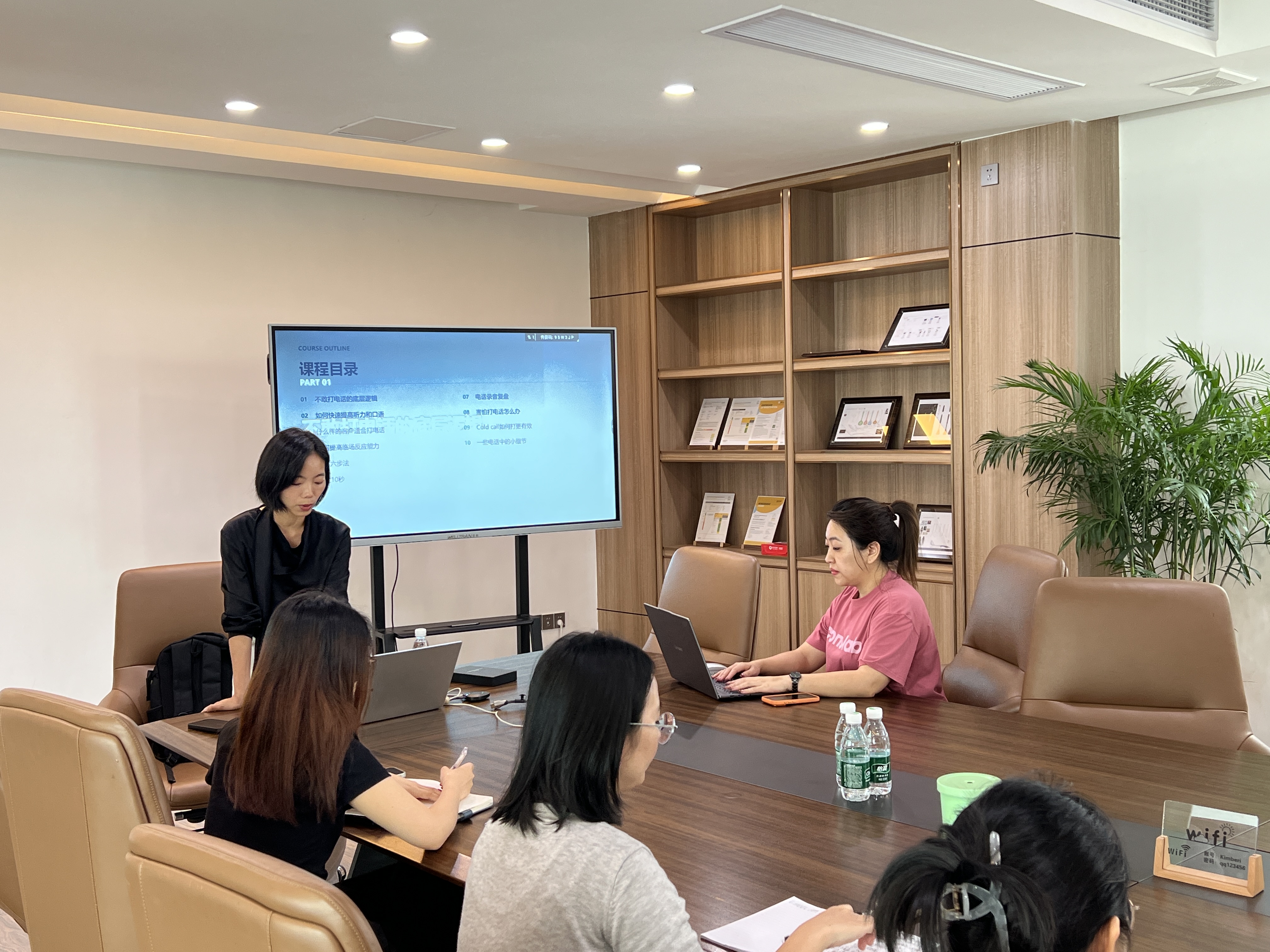
The outline ran to ten modules, arranged in a deliberate order: psychology first, structure second, objections third.
l The logic underneath the fear of dialing.
l Resetting your mental state before a call.
l Inviting a customer to a call instead of pitching on the first ring.
l Where the invitation script breaks down.
l Handling a refusal, and the "not interested" reply.
l Why call get rejected, and what to do when someone hangs up.
l Using an AI assistant to prepare and review calls.
l Handling objections inside the conversation.
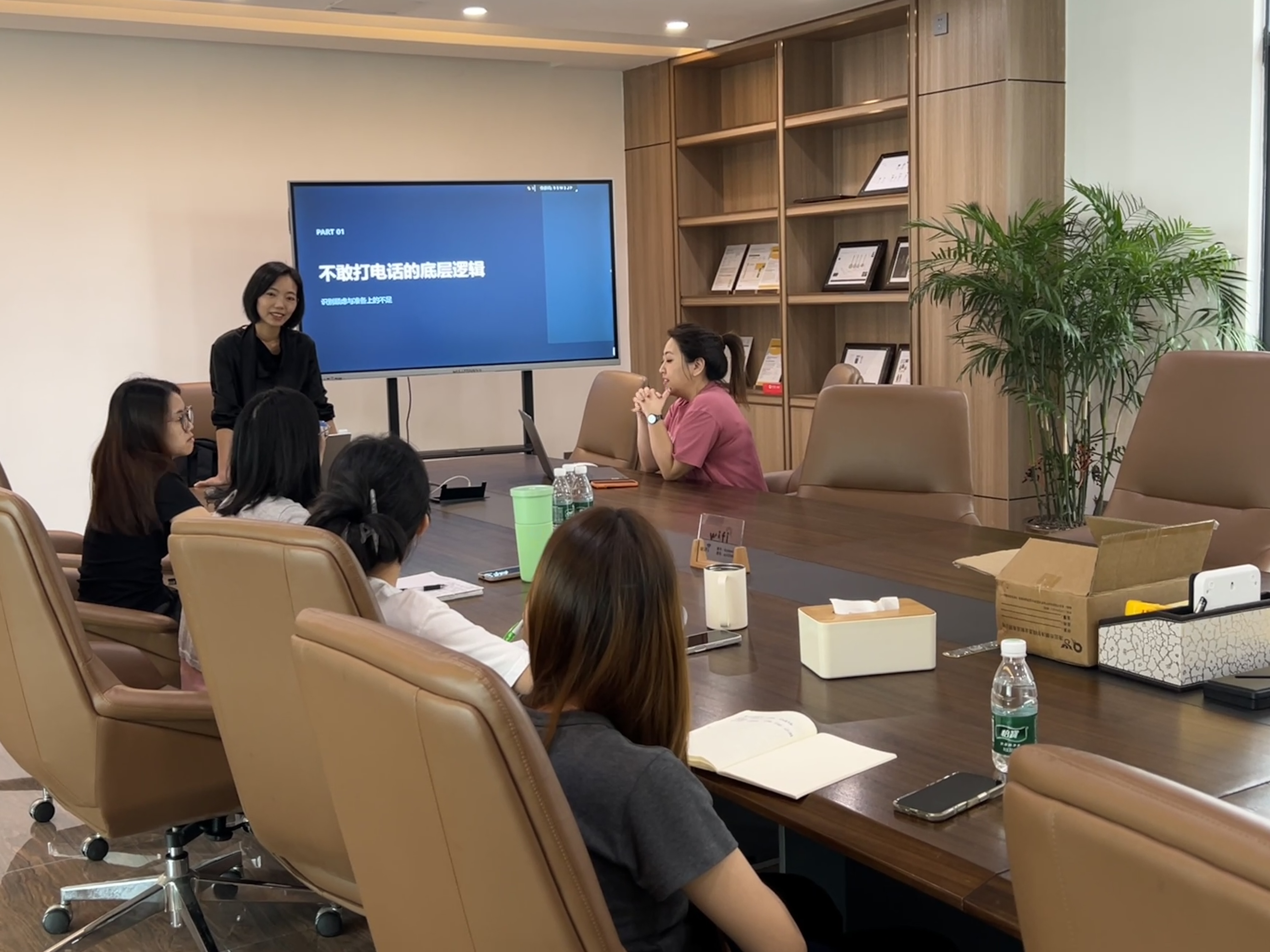
The useful part was not a script. It was naming four barriers out loud, because each one shows up in a team's activity data long before it shows up in a conversation: not daring to dial, fear of rejection, weak spoken English, and being hung up on. None is fixed by better wording; they are fixed by volume, rehearsal and separating a rep's ego from a buyer's answer.
A phone call is the only channel where hesitation is audible in real time, and for a factory selling OEM knives the questions that decide an order are technical and arrive out of order.
· "Your price is higher than a Vietnam quote." Answer on specification: grade, hardness window, thickness behind the edge, handle construction, packing. Two knives that look alike in a photo often are not the same object.
· "Your MOQ is too high for a trial." Offer a route: a small run on a stock handle, or a colour and logo change on an existing model, before a full batch.
· "What is your lead time, really?" Give a number tied to the bottleneck — tooling, heat-treatment capacity or packing — not a round promise.
· "Can you send samples?" Yes, with a specification attached, so the sample is judged against something other than a feeling.
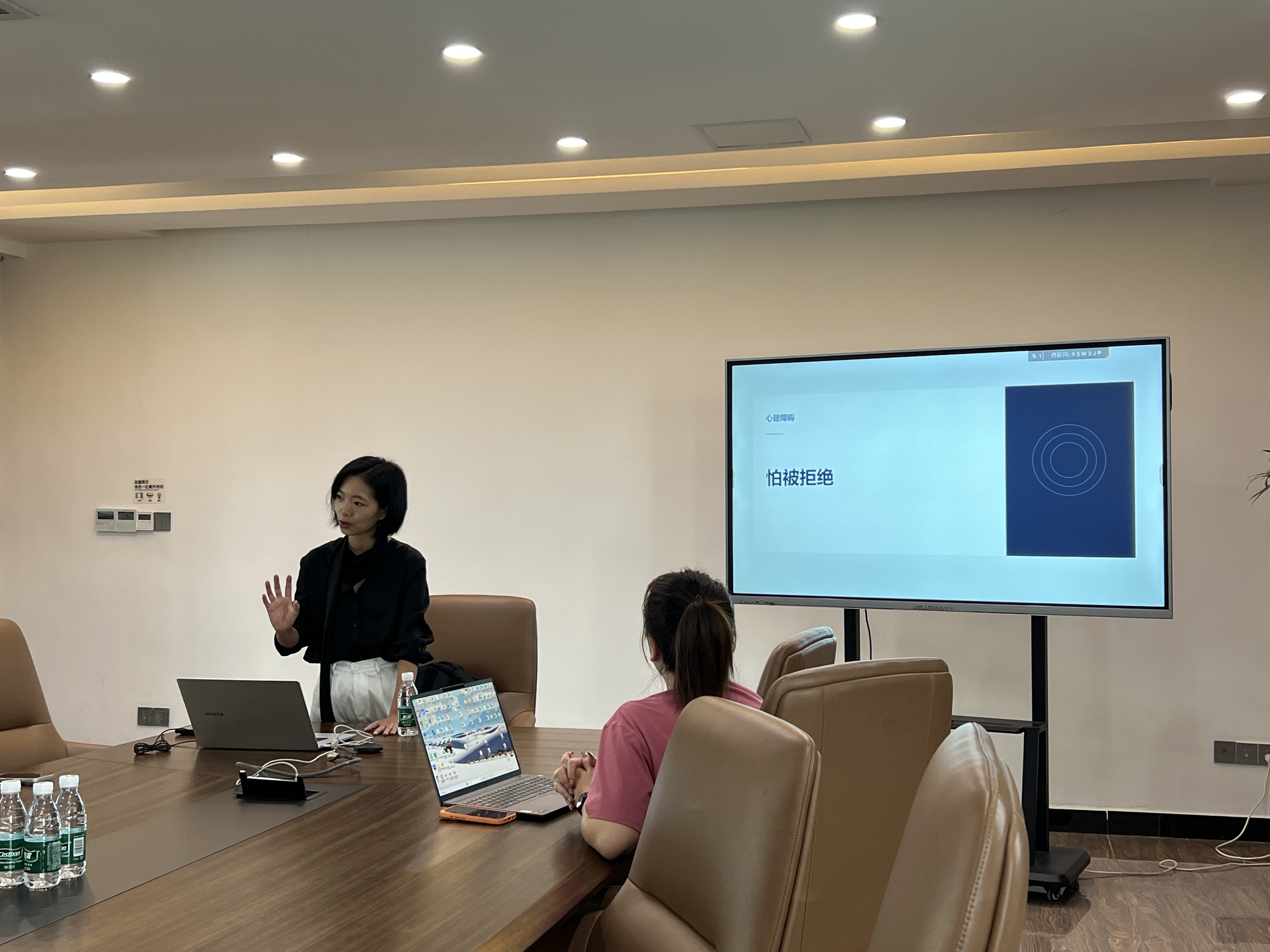
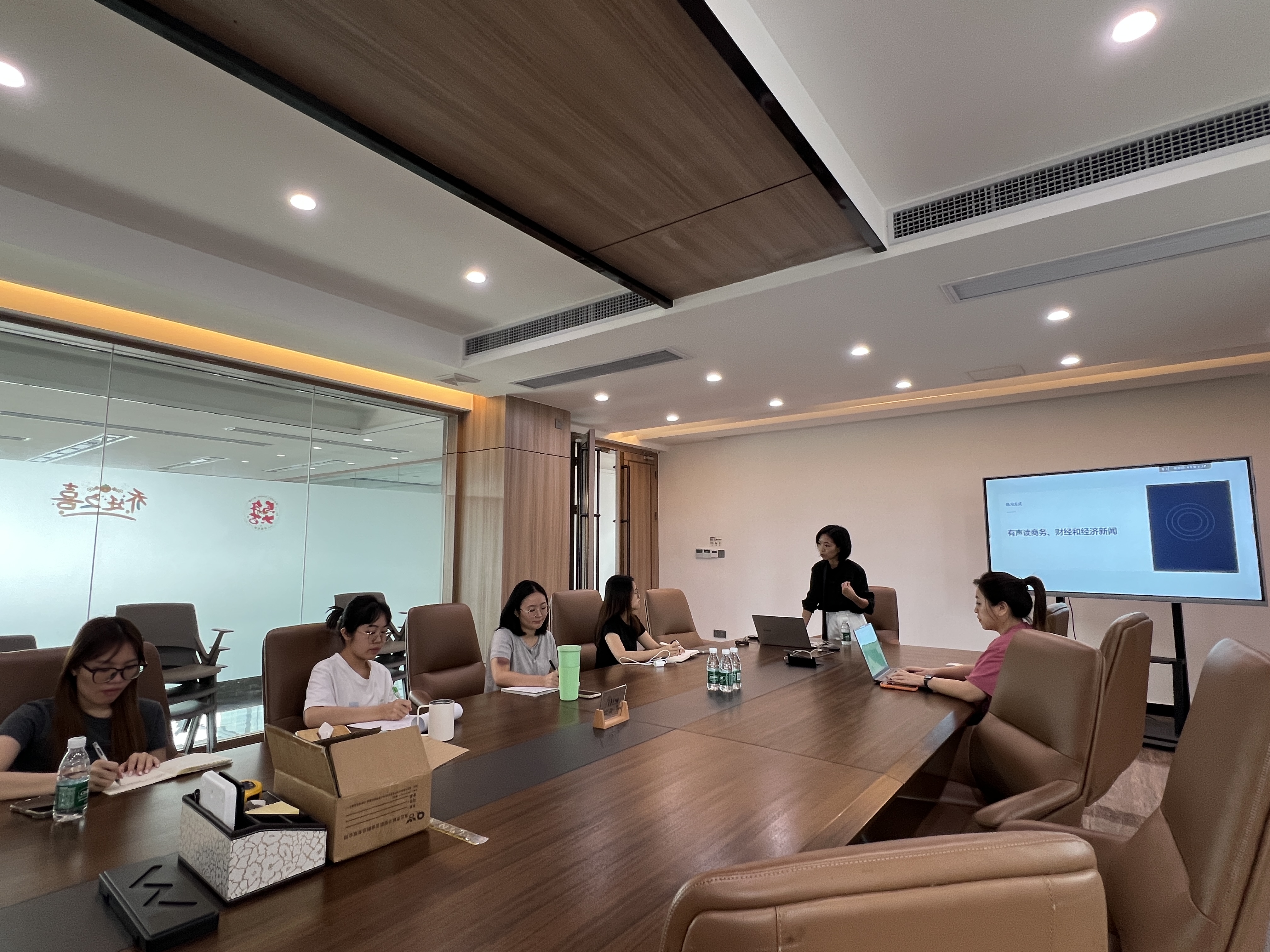
l Write a forty-second opener naming the company, the product family and one specific reason for the call.
l Rehearse in pairs, with one person told to interrupt, object and hang up, so the first real call is not the first rehearsal.
l Record and review against three points: a specific model named, one question asked, a next step with a date proposed.
l Use an AI assistant to prepare objection answers and summarise calls — the least romantic module, the most time saved.
l Score the call, not the outcome. A call that ends with "no, we buy from Vietnam" is a good call: it closes a file.
Any rep can read a script. Very few can answer "what hardness do you run, and why" without hesitating — and that hesitation is what buyers remember. Insight has designed, produced and sold chef knives, santoku knives, bread knives, paring knives and kitchen tools for more than 23 years, in a 20,000 square metre plant with monthly capacity of roughly five million pieces, for brands buying OEM and ODM. That is the material a sales team should be trained on, which is why this week's session had real knives on the table rather than slides alone.
The gap shows up in three questions asked within five minutes: which grade, what hardness window, how the edge is finished. A rep who moves from those to an MOQ and a lead time sounds like a manufacturer; one who cannot sounds like a broker, and brokers get compared on price alone.
Training fixes hesitation, not strategy. It will not rescue a list of wrong buyers, an uncompetitive specification, or a factory that answers a sample request in three weeks. What it fixes is the gap between a good factory and a buyer who never hears about it — in cutlery exporting, most of the gap.
If you source kitchen knives or kitchen tools, the fastest route in is a specification conversation rather than a catalogue: send the grade, hardness window, edge angle and handle construction you need, and ask for a sample batch. Our export team can walk you through the four knife families we build, the OEM and ODM options and the packing your channel requires. Start with one model and one question — that is how most long-term programmes here began.
Yes, for a narrow purpose: reaching a live buyer who already has a sourcing problem. It converts a higher share of contacts than email but reaches far fewer people, so it belongs after an email has been read or alongside one.
Email produces more first conversations at scale; calls produce faster specification conversations. Most orders come from a sequence of both, and from the sample that follows the second touch rather than the first.
Published averages sit in the mid single digits per dial, with strong teams in low double digits. About a quarter of prospects may pick up at least once across several attempts, which is why one dial per prospect is a wasted dial.
Yes. A trial run on an existing model — handle colour, logo, packing — is how a new programme usually starts, before tooling and full-batch commitments. The plant runs four knife families plus kitchen tools at roughly five million pieces a month, so a trial can be scheduled without displacing a large order.


