
- Home
- Products
- About Us
- OEM/ODM
- VR
- Resources
- Contacts


Views: 288 Author: Insight Publish Time: 2026-03-20 Origin: Insight


Content Menu
● We do Pulling test for knife-Our lab equirment Yangjiang Insight
>> Introduction to Quality Control in Knife Manufacturing
>> Understanding the Pulling Test
>> The Role of Specialized Laboratory Equipment
>> Detailed Procedures of the Pulling Test
>>> Preparation and Calibration
>>> Execution of the Tension Load
>>> Data Acquisition and Analysis
>> The Importance of Reliability in Design
>> Future Perspectives on Knife Testing
>> Conclusion: Quality as a Cornerstone
>> Summary

In the heart of the world's capital of cutlery, Yangjiang, the pursuit of perfection in knife manufacturing is a relentless journey. Every blade that leaves a production facility represents not just a tool, but a commitment to safety, durability, and performance. As a leading voice in this industry, Yangjiang Insight recognizes that the foundation of a superior product lies in rigorous testing. Among the various protocols essential for quality assurance, the pulling test stands out as a critical indicator of structural integrity and component security.
The pulling test is more than a simple procedure; it is a scientific validation of how a knife will perform under the stress of real-world use. Whether it is a professional chef's knife, a tactical folding blade, or a reliable outdoor companion, the connection between the blade, the bolster, and the handle must be absolute. Without specialized laboratory equipment to measure these forces accurately, a manufacturer is merely guessing. At Yangjiang Insight, we utilize advanced instrumentation to ensure that every product meets international standards and exceeds consumer expectations.
A pulling test, often categorized under tensile testing, is a mechanical procedure designed to evaluate the strength and durability of a component by subjecting it to controlled tension. In the context of a knife, this test is primarily focused on the handle assembly and the structural connection between the tang and the handle materials.
When a user employs a knife, the handle experiences various forces: twisting, torque, and direct pulling. If the construction is flawed—perhaps due to poor adhesive bonding, loose rivets, or structural weakness in the tang—the handle could separate from the blade. This is not merely a performance issue; it is a significant safety hazard. By applying a consistent, calibrated force in a laboratory setting, we can determine the maximum load a knife assembly can withstand before failure occurs. This allows us to refine our design processes, select better raw materials, and ultimately produce safer tools for chefs and adventurers alike.
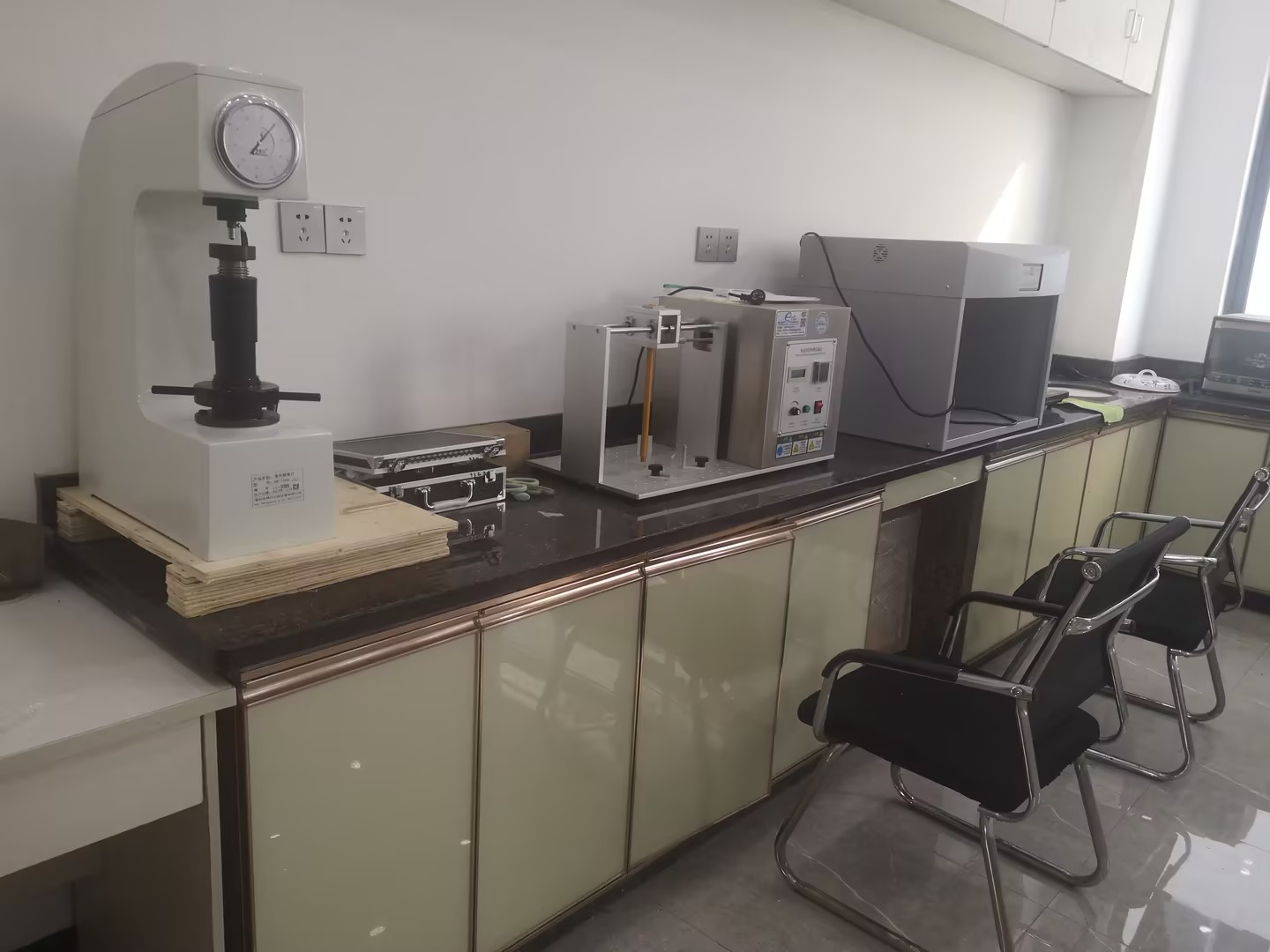
Precision is the hallmark of modern quality control. Manual testing, while sometimes useful for quick assessments, lacks the repeatability and data-driven accuracy required for professional manufacturing standards. Our lab at Yangjiang Insight is equipped with state-of-the-art pulling test machines specifically calibrated for cutlery applications.
These machines work by securing the blade firmly in a stationary vice or specialized holding fixture. The handle is then gripped by a dynamic loading mechanism. The equipment is programmed to apply a measured amount of force, increasing it gradually—or sometimes maintaining it at a specific threshold—to observe the reaction of the assembly. The sensors within the machine record the exact Newton-force at which any deformation or separation begins. This data is converted into digital reports, providing our engineers with actionable insights into the mechanical properties of our products.
To achieve consistent results, every test performed by Yangjiang Insight follows a strict Standard Operating Procedure (SOP). This ensures that every blade, regardless of its design, is subjected to the same rigorous scrutiny.
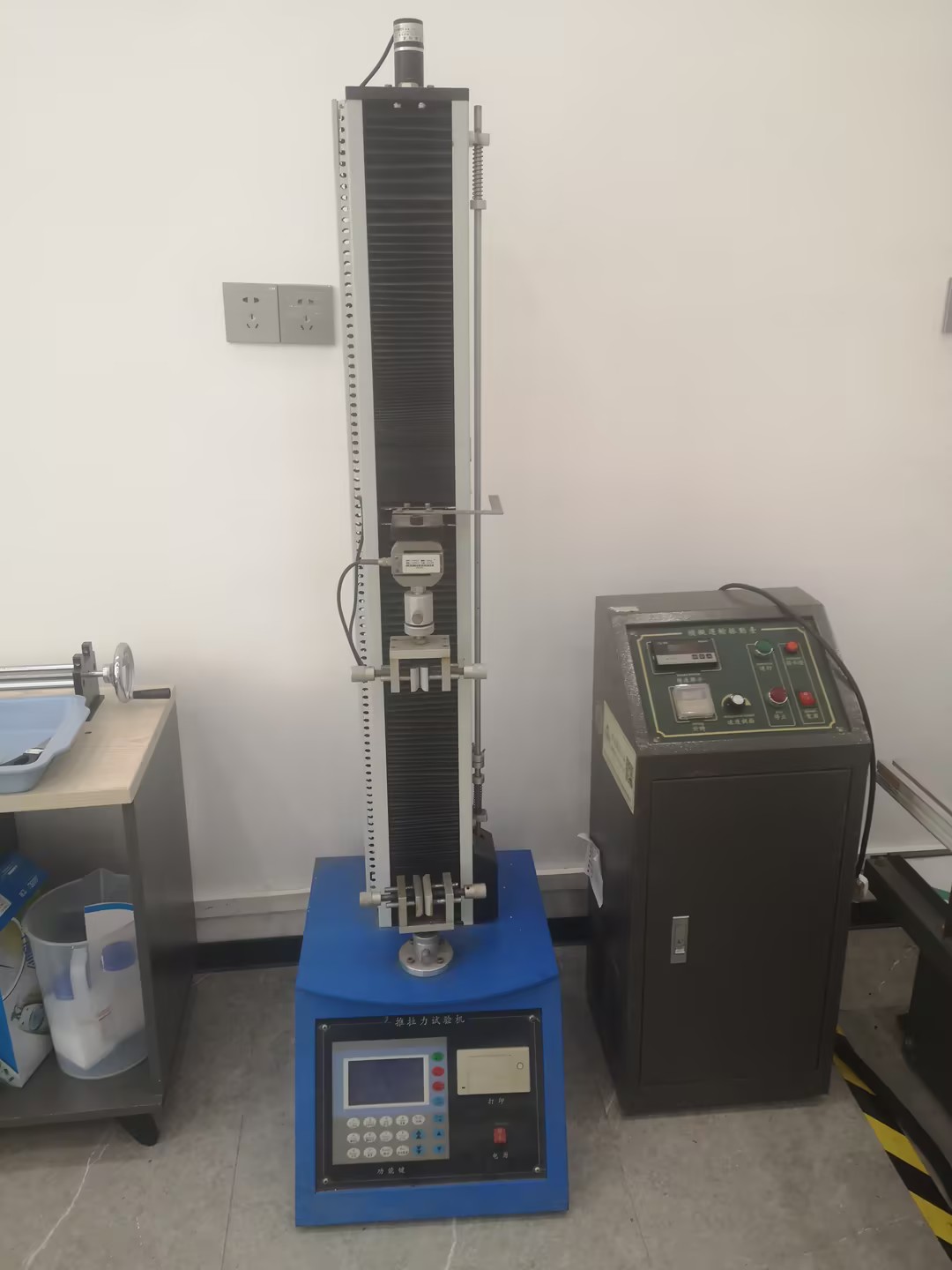
Before any test begins, the equipment must be calibrated. Our technicians ensure that the load cells are accurate and that the software is configured correctly for the specific model of the knife being tested. The knife is then inspected to ensure it is free from manufacturing defects that might skew the results of the mechanical test.
The positioning of the knife within the test apparatus is critical. If the blade is not centered correctly or if the clamping force of the vice is too high, it may cause damage to the blade surface or result in an inaccurate reading. We use custom-fitted fixtures that mimic the shape of the blade, ensuring that the force applied is directed purely toward testing the handle connection and not the blade material itself.
Once the sample is secured, the pulling cycle begins. Depending on the test requirements, we may employ one of two methods:
1. Destructive Testing: The machine applies increasing force until the handle separates from the tang. This reveals the true breaking point of the assembly.
2. Non-Destructive Proof Testing: The machine applies a predetermined weight for a specific duration. The knife must pass this threshold without any signs of loosening or structural compromise to be considered compliant.
Throughout the process, the laboratory software logs the tension profile. After the test, the resulting data is analyzed. If the failure point is within the expected parameters, the design is validated. If the failure occurs prematurely, we investigate the root cause—be it a material failure, an assembly oversight, or a design flaw—and implement corrective actions.
Why go to such lengths? The answer lies in the trust placed in us by our customers. A knife is a tool that requires human confidence. If a handle slides off during a delicate kitchen task or a heavy-duty cutting job, the consequences could be severe.
By incorporating the pulling test into our routine, Yangjiang Insight moves from reactive quality control to proactive engineering. We do not just build knives; we engineer longevity. This scientific approach helps us determine the optimal number of rivets, the ideal type of industrial adhesive, and the most effective way to secure the tang within the handle material. It is this attention to detail that separates professional-grade tools from generic consumer goods.
As material science evolves, so too do our testing methods. We are constantly exploring new sensors and AI-integrated software to analyze the nuances of mechanical failure. For example, by analyzing the vibration signatures during a pull test, we may be able to detect micro-cracks or internal bonding issues that are invisible to the naked eye.
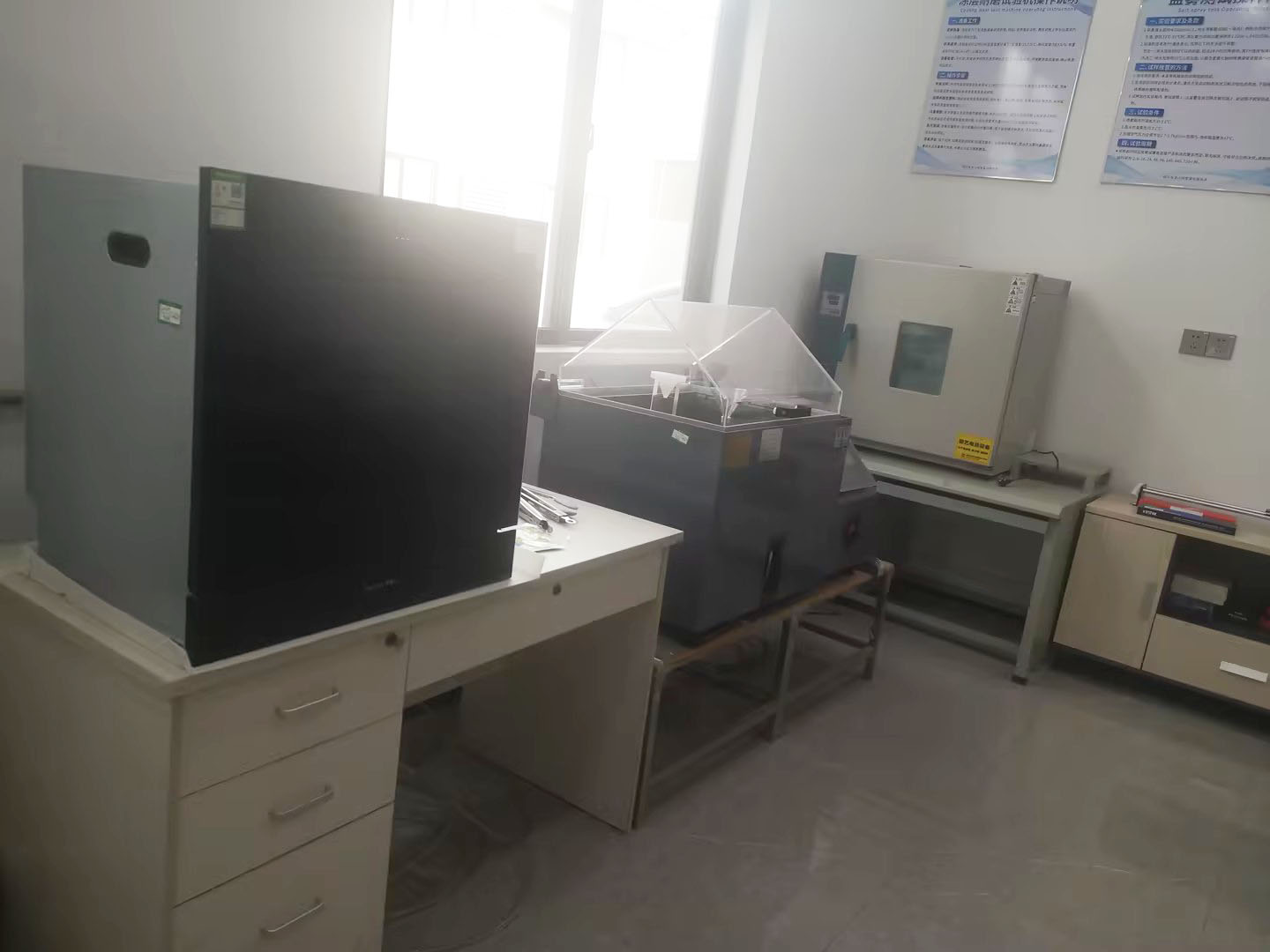
Furthermore, we are expanding our testing protocols to include environmental variables. A knife that holds up under standard conditions might behave differently in extreme heat or humidity. By subjecting our samples to pull tests after exposure to various environmental stress, we ensure that our products remain robust regardless of the climate in which they are used.
Quality control is the invisible thread that connects a manufacturer to their user. At Yangjiang Insight, our commitment to using advanced laboratory equipment to perform rigorous pulling tests is a testament to our dedication to that connection. We understand that in the world of cutlery, excellence is not a coincidence—it is the result of meticulous planning, scientific inquiry, and the unwavering resolve to build the best possible tools. As we look toward the future, we will continue to refine these processes, ensuring that the Yangjiang name remains synonymous with quality, safety, and performance.
Q: What is the primary purpose of a pulling test for a knife?
A: The primary purpose is to ensure the structural integrity of the knife assembly, specifically testing the strength of the bond between the handle and the blade tang to prevent accidental separation during use.
Q: How does the laboratory equipment ensure accuracy during these tests?
A: The equipment uses calibrated load cells and digital sensors to apply precise, controlled forces and record data, eliminating the human error and inconsistency associated with manual testing.
Q: What happens if a knife fails the pulling test?
A: If a knife fails, it is categorized as a reject. Engineers then conduct a root cause analysis to determine if the failure was due to raw material quality, an assembly process error, or a fundamental design flaw, leading to corrective manufacturing adjustments.
Q: Is the pulling test considered a destructive test?
A: It can be both. It is destructive when testing to find the exact breaking point of a sample for R&D purposes, and it can be non-destructive (proof testing) when verifying that production models meet a specific safety threshold.
Q: Why is this testing particularly important for Yangjiang-based manufacturers?
A: As a major hub for the global cutlery industry, manufacturers in Yangjiang, such as those associated with Yangjiang Insight, must adhere to strict international quality and safety standards to compete in global markets and maintain consumer trust.


