


Views: 212 Author: Insight Publish Time: 2026-01-29 Origin: Insight


Content Menu
● Understanding the Boning Knife
>> Trimming Fat and Silver Skin
>> Proper Grip
● Choosing the Right Boning Knife
>> Flexibility
A boning knife is an essential tool in the kitchen, particularly for those who enjoy preparing meat and fish. Its unique design and functionality make it a favorite among professional chefs and home cooks alike. In this article, we will explore the various uses of a boning knife, its features, and how to properly use and maintain it.

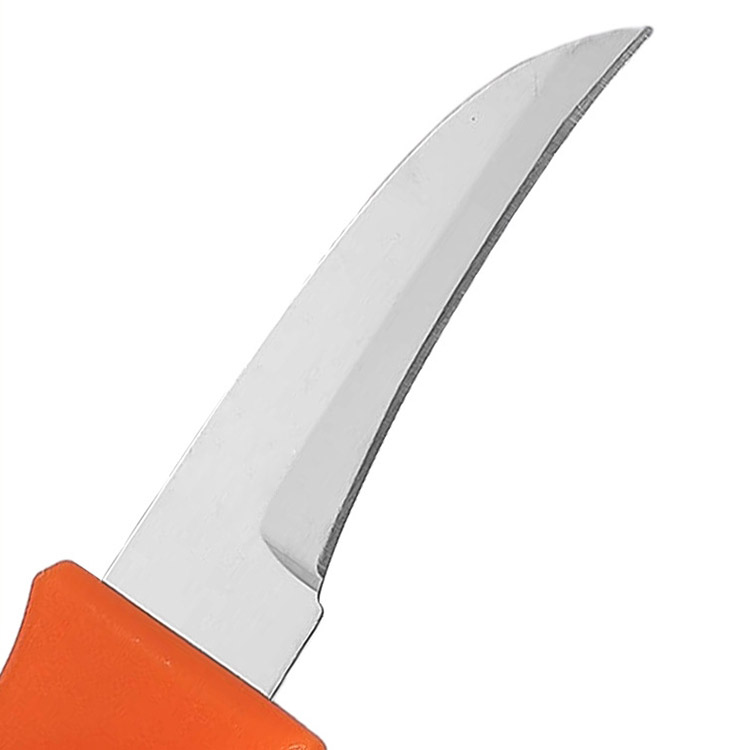
A boning knife is a specialized kitchen knife designed for removing bones from meat, poultry, and fish. It typically has a thin, flexible blade that allows for precision cutting and maneuverability around bones and joints. The blade length usually ranges from 5 to 7 inches, making it ideal for detailed work.
Boning knives come with several distinctive features that set them apart from other kitchen knives:
- Blade Flexibility: The flexibility of the blade allows it to bend and contour around bones, making it easier to separate meat from the bone without wasting any.
- Narrow Blade: The narrow blade design helps in making precise cuts, especially in tight spaces.
- Pointed Tip: The pointed tip of the boning knife is perfect for piercing and starting cuts, especially in thicker cuts of meat.
One of the primary uses of a boning knife is deboning meat. Whether you are working with chicken, beef, or pork, a boning knife allows you to remove bones cleanly and efficiently. This is particularly useful when preparing cuts like chicken breasts or pork chops, where bones can be a hindrance.
Boning knives are also excellent for filleting fish. The flexibility of the blade allows you to glide along the bones of the fish, ensuring that you get as much meat as possible while leaving the bones behind. This technique is essential for chefs who want to serve fresh fish fillets.
In addition to deboning, a boning knife is perfect for trimming excess fat and silver skin from cuts of meat. Silver skin is a tough connective tissue that can be chewy and unappetizing if left on the meat. A boning knife's sharp edge and precision make it easy to remove this unwanted tissue.
When it comes to poultry, a boning knife is invaluable. It can be used to remove the backbone from a whole chicken for spatchcocking, or to separate the thighs from the drumsticks. The knife's design allows for intricate cuts that are necessary for poultry preparation.
A boning knife can also be used for portioning larger cuts of meat into smaller, more manageable pieces. This is particularly useful in a professional kitchen where portion control is essential for consistency and cost management.
To use a boning knife effectively, it is important to have a proper grip. Hold the handle firmly with your dominant hand, and use your other hand to guide the meat or fish. This will give you better control and precision while cutting.
When deboning or filleting, start by inserting the tip of the knife into the meat near the bone. Use a gentle sawing motion to cut along the bone, allowing the flexibility of the blade to do the work. Take your time and be patient, as rushing can lead to mistakes.
After using your boning knife, it is crucial to clean and maintain it properly. Wash the knife with warm, soapy water and dry it immediately to prevent rust. Regularly honing the blade will keep it sharp and ready for use.
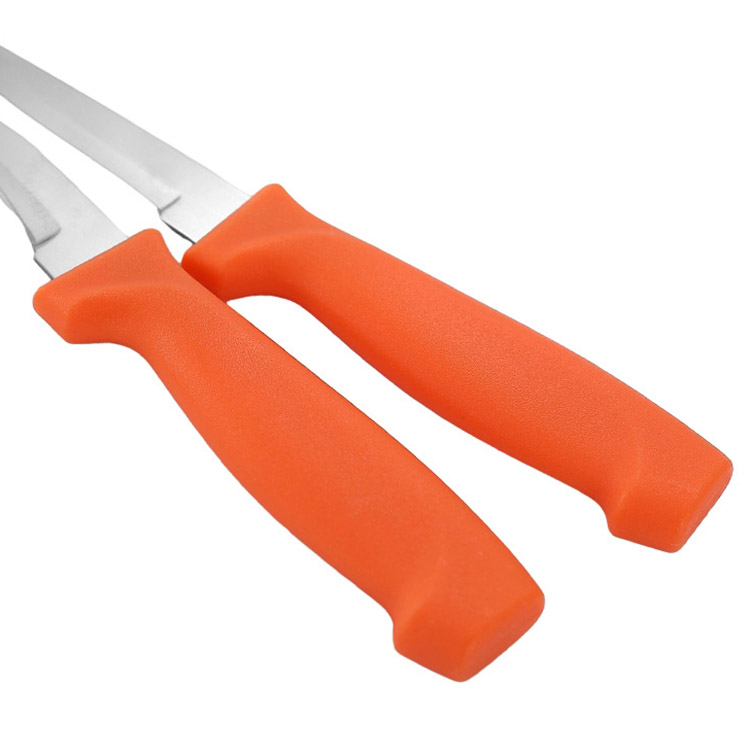
When selecting a boning knife, consider the blade material. High-carbon stainless steel is a popular choice due to its durability and resistance to rust. Some chefs prefer ceramic blades for their sharpness and ease of maintenance.
The handle of the boning knife should be comfortable and provide a good grip. Look for handles made from materials like wood, plastic, or rubber that offer a non-slip surface.
Different boning knives have varying degrees of flexibility. A more flexible blade is ideal for fish, while a stiffer blade may be better for larger cuts of meat. Consider what you will be using the knife for most often when making your selection.
A boning knife is an indispensable tool for anyone who enjoys cooking with meat and fish. Its unique design allows for precision cutting, making it easier to debone, fillet, and portion various proteins. By understanding how to use and maintain a boning knife, you can enhance your culinary skills and create delicious dishes with ease.
1. What is the difference between a boning knife and a fillet knife?
- A boning knife is designed for deboning meat and poultry, while a fillet knife is specifically made for filleting fish. Fillet knives are usually more flexible and have a thinner blade.
2. Can I use a boning knife for vegetables?
- While a boning knife is primarily designed for meat and fish, it can be used for some vegetable tasks, such as trimming or peeling, but it is not the best tool for general vegetable preparation.
3. How do I sharpen a boning knife?
- You can sharpen a boning knife using a whetstone, honing rod, or electric sharpener. Regular honing will help maintain the edge between sharpenings.
4. Is a boning knife safe to use?
- Yes, a boning knife is safe to use when handled properly. Always cut away from your body and keep your fingers clear of the blade.
5. What size boning knife should I buy?
- The size of the boning knife you choose depends on your personal preference and the types of tasks you will be performing. A 6-inch knife is a versatile choice for most home cooks.


