
- Home
- Products
- About Us
- OEM/ODM
- VR
- Resources
- Contacts


Views: 267 Author: Insight Publish Time: 2026-03-23 Origin: Insight


Content Menu
● How to Clean Old French Cooking Knife
>> Assessing the Condition of Your Knife
>> Preparing Your Workspace and Materials
>> Safe Cleaning and De-Rusting Techniques
>> Preserving the Character While Ensuring Hygiene
>> Maintaining Your Restored French Knife
>> Summary
Discovering an old French cooking knife in your kitchen, at an estate sale, or buried in a box in the attic is a moment of pure excitement for any cooking enthusiast. These tools, often characterized by high-carbon steel, elegant bolsters, and ergonomic handles, represent a bygone era of craftsmanship. However, time, neglect, and environmental factors can leave them tarnished, rusted, and dull. Reviving these heirlooms is a rewarding project that marries history with functionality. Properly cleaning and restoring an old French cooking knife requires patience, the right techniques, and respect for the materials. This guide will walk you through the comprehensive process of bringing your vintage knife back to life while preserving its character and ensuring it is safe for food preparation.

Before you begin the cleaning process, you must conduct a thorough assessment of the knife's current state. This step is crucial because the approach will vary significantly depending on whether the knife is simply dirty, lightly tarnished with patina, or suffering from significant structural rust and handle damage.
Examine the blade carefully. Are there surface-level stains, or is there deep, flaky rust that pits the metal? A healthy patina—a dark, uniform layer that develops on carbon steel over time—is often desirable and adds character, serving as a protective layer against further corrosion. Do not confuse this with active, orange rust. Check the bolster and the transition point between the handle and the blade. This is a common area for food debris and rust to accumulate. Finally, inspect the handle. Is it wood? If it is, check for cracks, rot, or looseness. If it is synthetic, check for warping or significant wear. Understanding what you are dealing with will prevent you from accidentally damaging the knife with overly aggressive cleaning methods.
Restoration is a messy business, so setting up a proper workspace is essential. You will need a stable, well-lit surface where you can work comfortably. Ensure you have access to a sink with hot and cold water.
For the cleaning phase, gather the following essential materials: mild dish soap, a soft sponge, non-abrasive cloths, a specialized rust-remover or gentle abrasives like baking soda or a dampened wine cork for light scouring, mineral oil (food-grade), and a sharpening stone or honing steel if you intend to restore the edge. If the knife has a wooden handle, you may also need a high-quality wood conditioner or food-grade wax to nourish it after cleaning. Keep in mind that for vintage knives, less is often more. Avoid harsh chemical cleaners or abrasive power tools, which can quickly ruin the temper of the steel or destroy the original geometry of the blade.
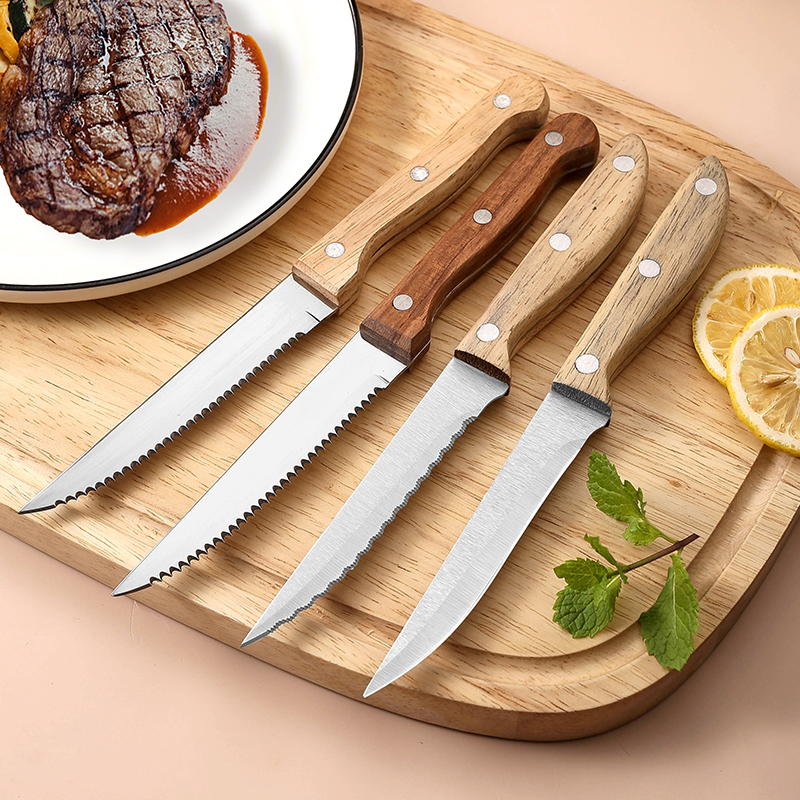
If the knife is simply dirty from storage, start with a basic, gentle cleaning. Use warm, soapy water and a soft sponge to remove surface dirt. Avoid soaking the knife, as this can damage the handle and promote rust. After washing, dry the blade immediately and thoroughly. Never leave a vintage knife sitting wet.
When you encounter rust, your approach must change. For light rust spots, you can make a paste using baking soda and a tiny amount of water. Apply this to the affected areas and gently scour with a soft cloth or a wine cork. A wine cork acts as a fantastic, mild abrasive that helps lift rust without scratching the underlying metal too deeply. For more persistent, light oxidation, a fine-grade abrasive pad may be used with extreme caution, but always move in the direction of the blade's grain to maintain a consistent finish.
If the knife suffers from heavy, deep rust, you may need a more involved approach. Some enthusiasts suggest soaking the blade in white vinegar for a few hours. This is highly effective but be warned: it will also remove the desirable patina and can give the steel a matte, grey appearance. Alternatively, you can use specialized rust-dissolving products available at hardware stores. Follow the manufacturer's instructions precisely and ensure every trace of the chemical is removed before the knife touches food again. Once the rust is gone, neutralize the area with water and dry it completely before applying a light coat of mineral oil to prevent immediate flash rusting.
There is often a debate about how much of the knife's history should be erased. Some want a mirror-bright, factory-new look, while others prefer to keep the patina that tells the story of the knife's long service. If the patina is stable and dark, consider keeping it. It acts as a natural shield against further oxidation. Hygiene, however, is non-negotiable. If the knife is to be used for cooking, every part of the blade must be sanitized, and all organic matter trapped in crevices must be removed.
Use a toothbrush to gently scrub the area where the blade meets the handle or bolster. This is the most common place for bacteria to hide. If the handle is wooden and looks dried out, treat it with a food-safe wood wax or mineral oil. This will not only improve the appearance but also prevent the wood from cracking further due to moisture absorption. Always remember that a clean knife is not necessarily a "shiny" one. The goal is a tool that is hygienically sound and structurally secure, even if it carries the beautiful, darkened complexion of decades of use.

Once your French cooking knife is clean and restored, the most important phase begins: maintenance. These knives are designed to be used, but they require a different level of care compared to modern stainless steel cutlery.
Never put your vintage French knife in the dishwasher. The heat, harsh detergents, and movement can destroy wooden handles and ruin the blade's edge. Hand wash your knife immediately after every use. Use mild soap, warm water, and a soft cloth or sponge. Dry it instantly with a clean towel. Never let it air dry. If you are cutting acidic foods like lemons or tomatoes, wipe the blade down during the process to prevent the acid from etching the steel too quickly.
When you are not using the knife for an extended period, apply a very thin layer of food-grade mineral oil to the blade to create a moisture barrier. This is especially important for high-carbon steel, which can rust almost overnight in humid environments. Store the knife in a dry place, ideally in a knife block, a dedicated drawer insert, or a magnetic strip, ensuring the edge does not come into contact with other metal objects. By following these simple habits, you will ensure that your restored piece of history remains a reliable and sharp workhorse in your kitchen for many more years to come.
1. Can I use a dishwasher to clean my old French knife?
No, you should never put a vintage knife in the dishwasher. The high heat, harsh chemicals, and physical agitation can severely damage wooden handles, cause the steel to warp or rust, and quickly dull the blade's edge. Always wash by hand.
2. Should I remove the dark patina from my blade?
That is a personal preference. A dark, stable patina is often prized by collectors and cooks as it provides a natural layer of protection against rust and adds character to the knife. If the blade is structurally sound, many experts recommend leaving the patina unless it is masking active, flaking rust.
3. What is the best way to handle a dried-out wooden handle?
Clean the handle gently, ensuring it is completely dry. Then, apply a high-quality, food-grade mineral oil or a specialized wood wax designed for cutting boards and knife handles. Let the oil soak into the wood for a few hours and wipe away any excess. This replenishes the wood and protects it from future moisture damage.
4. Is white vinegar safe for removing rust?
Yes, white vinegar is effective for removing rust because its acidity breaks down the iron oxide. However, it is an aggressive treatment that will strip away the patina and can leave the blade with a dull, grey finish. Use it sparingly and monitor the process closely to avoid over-etching the steel.
5. How often should I oil my carbon steel knife?
If you use your knife daily, you should ensure it is clean and dry after every use, which is usually sufficient for protection. If you live in a humid environment or plan to store the knife for an extended period, you should apply a thin coat of food-grade mineral oil to the blade to prevent rust from forming.


