
- Home
- Products
- About Us
- OEM/ODM
- VR
- Resources
- Contacts


Views: 280 Author: Insight Publish Time: 2025-12-31 Origin: Insight


Content Menu
● The Significance of New Year's Day
● Global Traditions and Celebrations
>> New Year's Eve Celebrations
>>> Midnight Toasts
>> The Tradition of Resolutions
>> The Psychology Behind Resolutions
>> Tips for Successful Resolutions
● Celebrating New Year's Day Around the World
>> Unique Customs and Traditions
>>> Lunar New Year
>>> Diwali in India
● The Impact of New Year's Day on Society

As the calendar year draws to a close, excitement fills the air. New Year's Day is coming, a time for reflection, celebration, and new beginnings. This article delves into the significance of New Year's Day, the various traditions associated with it, and how people around the world celebrate this momentous occasion.
New Year's Day marks the end of one year and the beginning of another. It is a time when people reflect on the past year, considering their achievements, challenges, and personal growth. Many individuals take this opportunity to evaluate their lives and set new goals for the upcoming year.
The arrival of a new year symbolizes a fresh start. It is a chance for individuals to leave behind the disappointments and failures of the past year and embrace new opportunities. This sense of renewal is often accompanied by a desire to improve oneself, whether through personal development, health, or relationships.
In many cultures, the celebration of New Year's Day begins the night before, on New Year's Eve. People gather with friends and family to celebrate the transition into the new year. Festivities often include parties, fireworks, and countdowns to midnight.
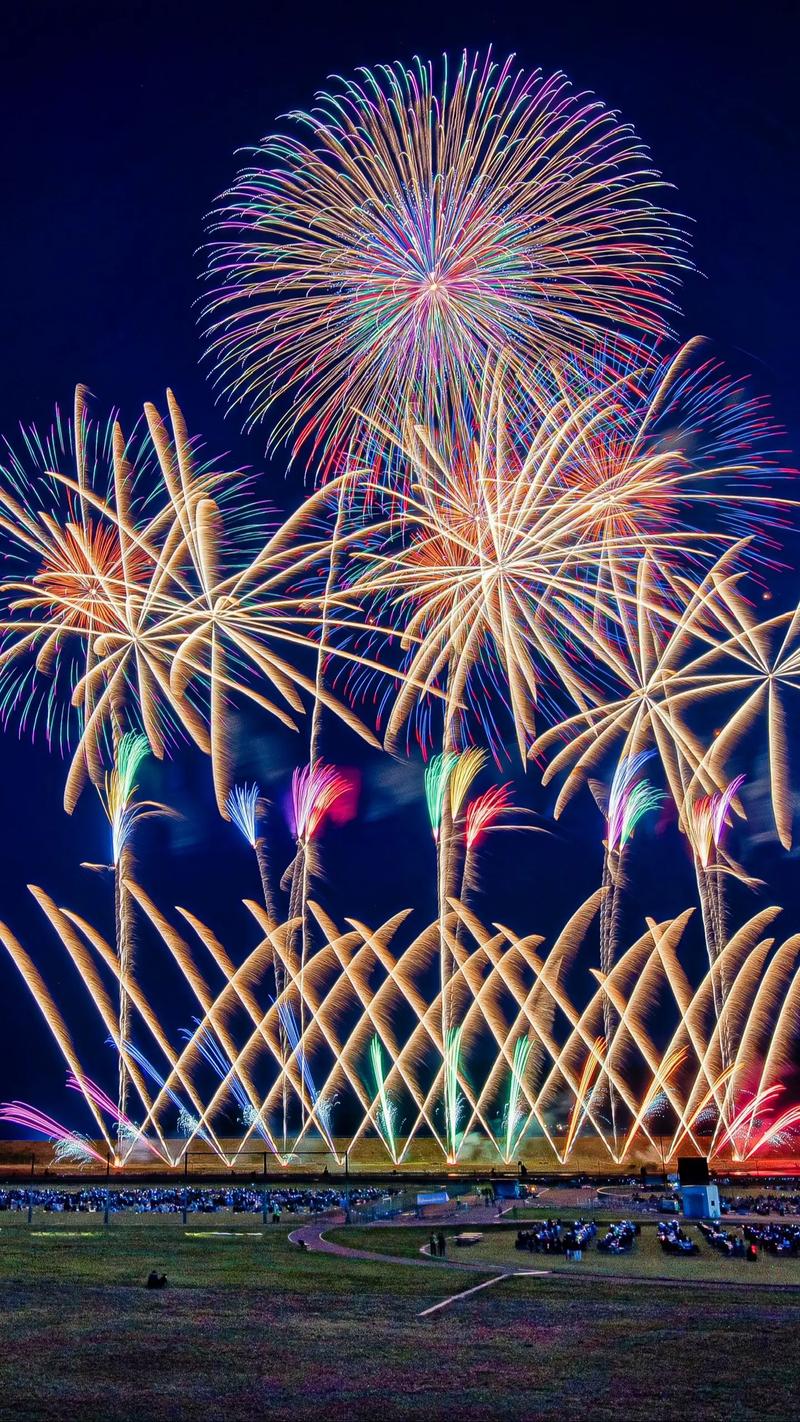
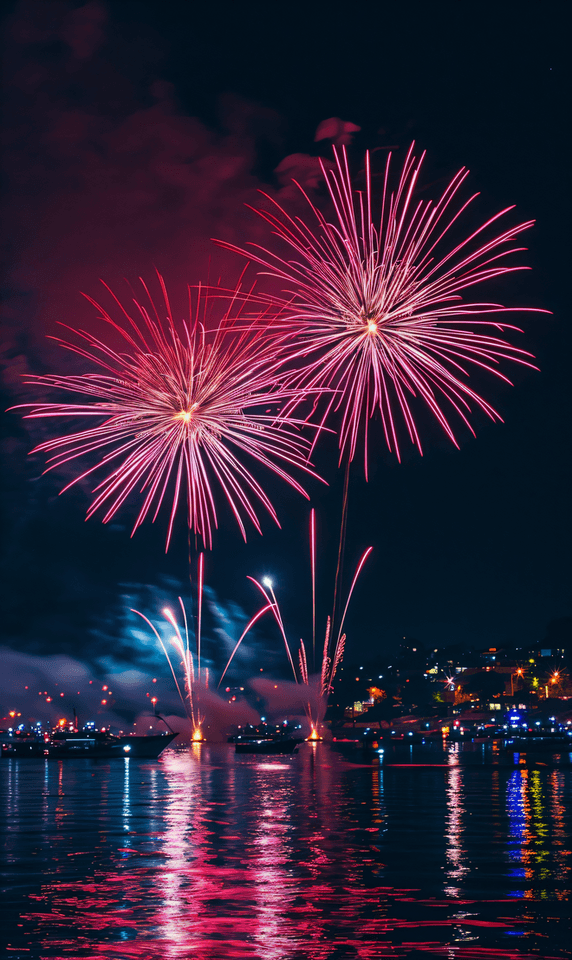
Fireworks are a common sight on New Year's Eve, illuminating the night sky as people celebrate. Major cities around the world host grand firework displays, drawing large crowds. The excitement builds as the clock approaches midnight, culminating in cheers and celebrations as the new year begins.
As the clock strikes midnight, it is customary for people to raise a glass and make a toast to the new year. This tradition symbolizes hope and good fortune for the year ahead. Many people choose to drink champagne or other sparkling beverages during this moment.
Once the celebrations of New Year's Eve have concluded, New Year's Day brings its own set of traditions. Different cultures have unique customs that reflect their values and beliefs.
In Scotland, the tradition of "first footing" is significant. The first person to enter a home after midnight is believed to bring good luck for the coming year. Ideally, this person should be a dark-haired male, as it is thought to symbolize prosperity.
In Spain, it is customary to eat twelve grapes at midnight, one for each stroke of the clock. Each grape represents good luck for each month of the upcoming year. This tradition is widely celebrated and is a fun way to welcome the new year.
Many cities around the world host parades on New Year's Day. These parades often feature colorful floats, marching bands, and cultural performances. The Rose Parade in Pasadena, California, is one of the most famous, showcasing elaborate flower-covered floats and attracting millions of viewers.
One of the most popular aspects of New Year's Day is the tradition of making resolutions. Many people take this opportunity to set goals for self-improvement. Common resolutions include losing weight, exercising more, quitting smoking, and spending more time with family.
The act of making resolutions is rooted in the desire for personal growth. Psychologically, setting goals can provide motivation and a sense of purpose. However, studies show that many people struggle to keep their resolutions, often abandoning them within a few weeks.
To increase the likelihood of sticking to resolutions, individuals can follow several strategies. Setting specific, measurable goals can help provide clarity. Additionally, sharing resolutions with friends or family can create accountability, making it easier to stay committed.
Different cultures celebrate New Year's Day in various ways, each with its own unique customs and traditions. Understanding these practices can provide insight into the diverse ways people around the world welcome the new year.
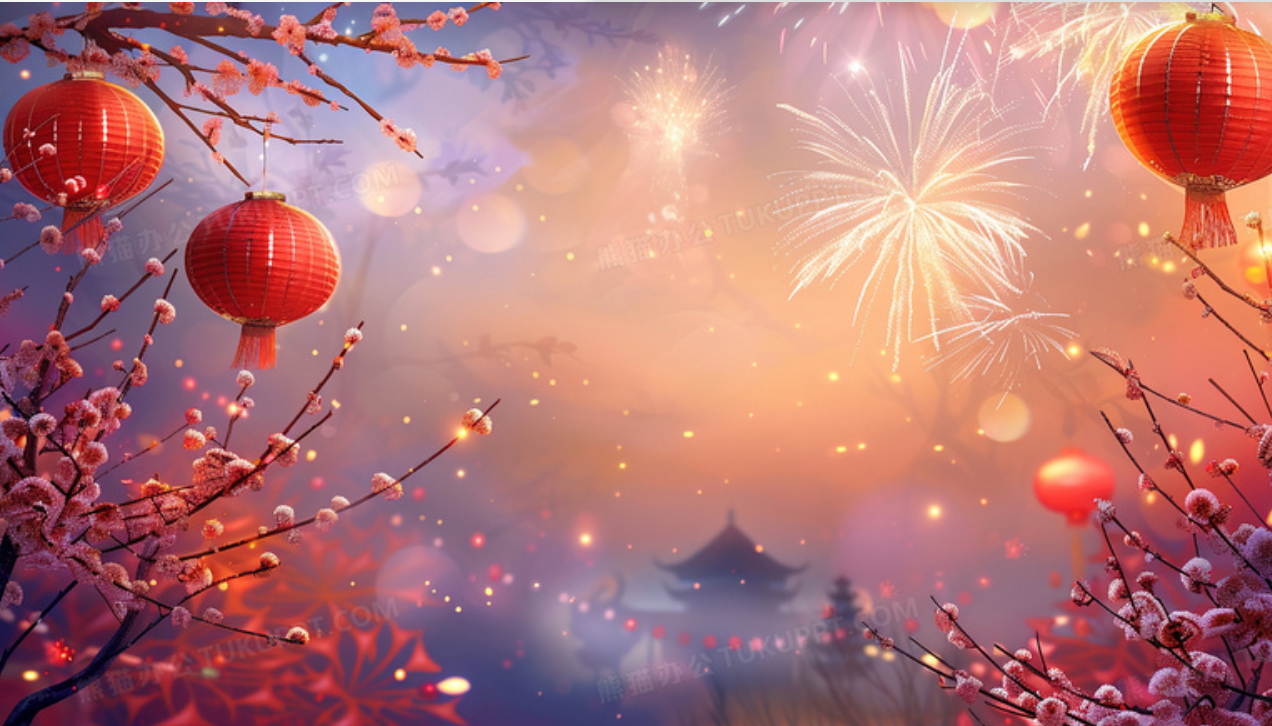
In many Asian cultures, the Lunar New Year is celebrated, which typically falls between late January and mid-February. This celebration is marked by family gatherings, feasts, and various cultural activities. The traditions vary by country, with each culture adding its unique flavor to the festivities.
In India, the festival of Diwali, also known as the Festival of Lights, is celebrated around the same time as the New Year in some regions. This festival symbolizes the victory of light over darkness and good over evil. Families decorate their homes with lights, exchange gifts, and enjoy festive meals together.
Rosh Hashanah, the Jewish New Year, is celebrated in the fall and marks the beginning of the High Holy Days. It is a time for reflection, prayer, and the sounding of the shofar, a ram's horn. Traditional foods, such as apples dipped in honey, symbolize the hope for a sweet new year.
New Year's Day has significant economic implications. Many businesses experience a surge in sales as people purchase party supplies, gifts, and food for celebrations. Additionally, the fitness industry sees an influx of new memberships as individuals seek to fulfill their resolutions related to health and fitness.
New Year's Day serves as a cultural touchstone, bringing people together to celebrate shared values and traditions. It fosters a sense of community and belonging, as individuals come together to reflect on the past and look forward to the future.
As New Year's Day approaches, the excitement and anticipation build. It is a time for reflection, celebration, and new beginnings. Whether through personal resolutions, cultural traditions, or festive gatherings, people around the world embrace the spirit of the new year. As we prepare to welcome another year, let us carry forward the lessons learned and the hopes for a brighter future.
1. What are some common New Year's resolutions?
- Common resolutions include losing weight, exercising more, saving money, and spending more time with family.
2. How do different cultures celebrate New Year's Day?
- Different cultures have unique customs, such as eating grapes in Spain, first footing in Scotland, and parades in various cities.
3. What is the significance of making New Year's resolutions?
- Making resolutions symbolizes the desire for personal growth and improvement, providing motivation for the year ahead.
4. Why do people celebrate New Year's Eve with fireworks?
- Fireworks are a way to celebrate and mark the transition into the new year, creating a festive atmosphere.
5. What are some tips for keeping New Year's resolutions?
- Setting specific goals, sharing resolutions with others, and tracking progress can help individuals stay committed to their resolutions.


