
- Home
- Products
- About Us
- OEM/ODM
- VR
- Resources
- Contacts


Views: 233 Author: Insight Publish Time: 2026-01-12 Origin: Insight


Content Menu
● Understanding the Importance of Knife Sharpening
>> The Role of a Knife Sharpener
● Getting to Know the Cooking Light Knife Sharpener
>> Features of the Cooking Light Knife Sharpener
● How to Use the Cooking Light Knife Sharpener
>>> Step 1: Prepare Your Workspace
>>> Step 2: Select the Right Slot
>>> Step 3: Position the Knife
>>> Step 5: Check the Sharpness
>> Tips for Effective Knife Sharpening
>>> Maintain a Consistent Angle
>>> Don't Overdo It
>> Sharpening Dull Knives Too Aggressively
>> Neglecting to Clean the Sharpener
● Maintaining Your Knives After Sharpening
Keeping your kitchen knives sharp is essential for efficient cooking. A sharp knife not only makes food preparation easier but also safer. The Cooking Light knife sharpener is a popular tool that can help you maintain the sharpness of your knives. In this article, we will explore how to use the Cooking Light knife sharpener effectively, along with tips and techniques to ensure your knives remain in top condition.

A sharp knife is a cook's best friend. It allows for precise cuts, reduces the effort needed to slice through food, and minimizes the risk of accidents. Dull knives can slip and cause injuries, making it crucial to keep your knives well-maintained.
A knife sharpener is a tool designed to restore the edge of a knife blade. The Cooking Light knife sharpener is specifically designed to be user-friendly and effective, making it a great choice for both novice and experienced cooks.
The Cooking Light knife sharpener typically features a compact design, making it easy to store and handle. It often includes multiple sharpening slots, allowing you to sharpen different types of knives, including straight-edge and serrated blades. The materials used in the sharpener are designed to provide a durable and effective sharpening experience.
There are various types of knife sharpeners available, including manual sharpeners, electric sharpeners, and honing rods. The Cooking Light knife sharpener falls into the manual category, which allows for greater control over the sharpening process.
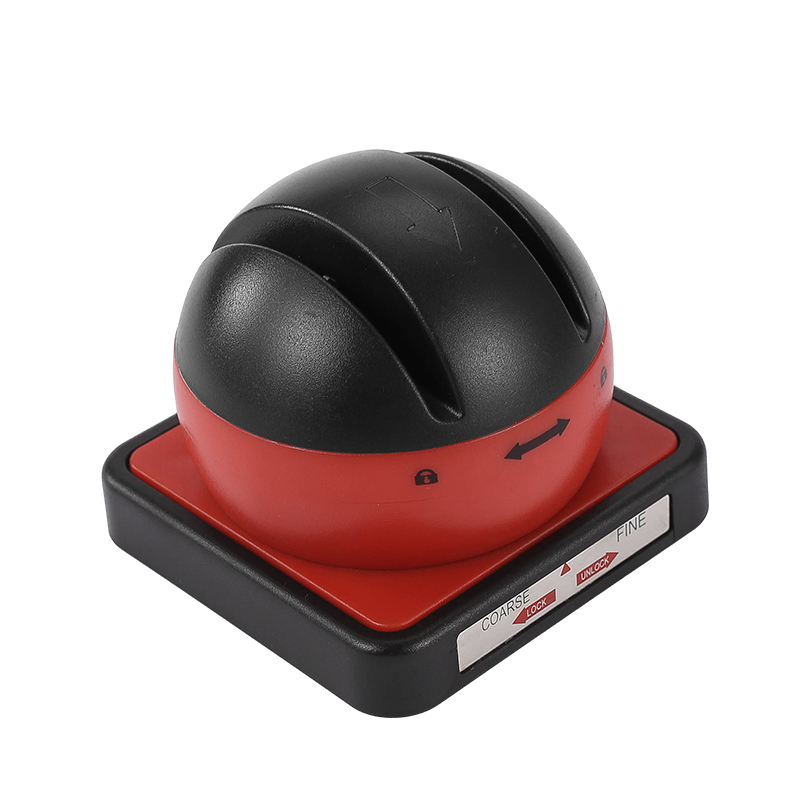
Before you begin sharpening your knives, ensure that you have a clean, flat surface to work on. This will help you maintain control and safety while sharpening.
The Cooking Light knife sharpener usually has different slots for various types of knives. Identify the type of knife you are sharpening and select the appropriate slot. For example, use the coarse slot for dull knives and the fine slot for honing an already sharp blade.
Hold the knife firmly by the handle and position the blade at the correct angle against the sharpening slot. Most sharpeners are designed to guide you in maintaining the right angle, typically around 20 degrees.
Gently pull the knife through the sharpening slot, applying light pressure. Start at the base of the blade and pull towards the tip. Repeat this process several times, usually around five to ten strokes, depending on the dullness of the blade.
After sharpening, carefully test the knife's sharpness by slicing through a piece of paper or a tomato. If it cuts easily, you have successfully sharpened your knife. If not, repeat the sharpening process.
Once you are satisfied with the sharpness, clean the knife with warm, soapy water to remove any metal shavings or debris. Dry it thoroughly before storing.
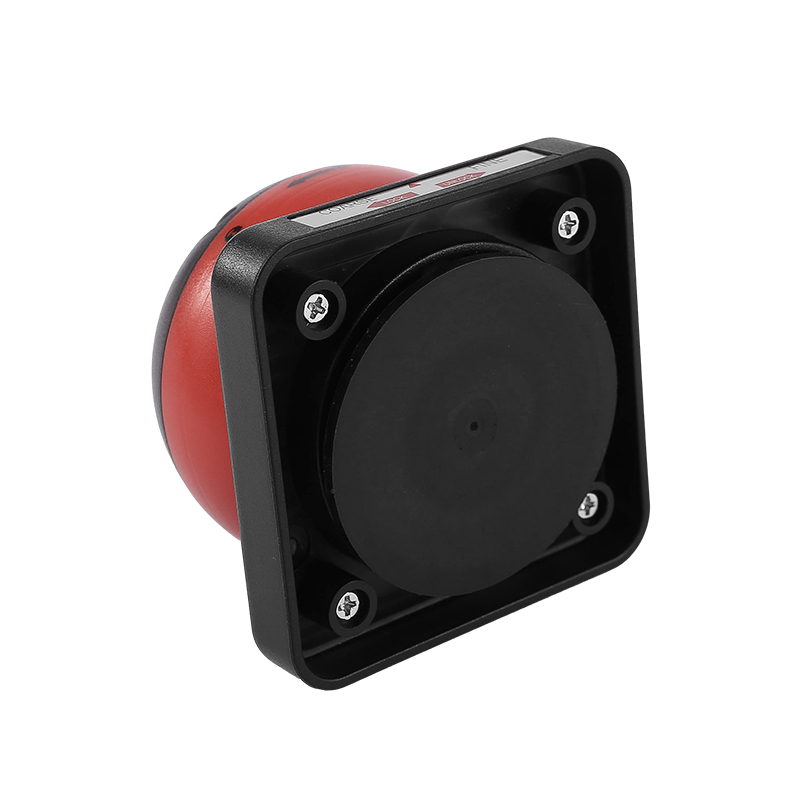
One of the keys to effective sharpening is maintaining a consistent angle throughout the process. The Cooking Light knife sharpener is designed to help you with this, but it requires your attention to ensure the angle remains steady.
Sharpening too frequently or with too much pressure can damage the blade. It's important to sharpen only when necessary and to use light pressure during the sharpening process.
In addition to using the sharpener, regularly honing your knives with a honing rod can help maintain their sharpness between sharpenings. This process realigns the blade edge and can prolong the time between sharpenings.
Many people make the mistake of applying too much pressure when sharpening a dull knife. This can lead to uneven sharpening and damage to the blade. Always use light, controlled strokes.
After sharpening, it's important to clean the sharpener itself. Metal shavings can accumulate and affect its performance. Wipe it down with a damp cloth after each use.
Using the wrong sharpening slot can lead to ineffective sharpening or even damage to the knife. Always ensure you are using the correct slot for the type of knife you are sharpening.
After sharpening, store your knives properly to protect the blade. Use a knife block, magnetic strip, or blade guards to prevent the edges from dulling due to contact with other utensils.
Regularly inspect your knives for signs of dullness or damage. Addressing these issues early can save you time and effort in the long run.
If your knives are severely damaged or you are unsure about sharpening them yourself, consider taking them to a professional knife sharpener. They have the tools and expertise to restore your knives to optimal condition.
Using the Cooking Light knife sharpener is a straightforward process that can greatly enhance your cooking experience. By following the steps outlined in this article and avoiding common mistakes, you can keep your knives sharp and ready for any culinary task. Remember that a sharp knife is not only more efficient but also safer to use in the kitchen.
1. How often should I sharpen my knives?
- It depends on usage, but generally, sharpening every few months is sufficient for home cooks.
2. Can I sharpen serrated knives with the Cooking Light knife sharpener?
- Yes, if the sharpener has a slot designed for serrated knives, you can sharpen them effectively.
3. What is the difference between sharpening and honing?
- Sharpening removes material to create a new edge, while honing realigns the existing edge without removing material.
4. Is it safe to use a knife sharpener?
; - Yes, as long as you follow the instructions and use it carefully, it is safe to use a knife sharpener.
5. What should I do if my knife is still dull after sharpening?
- If your knife remains dull, consider checking the angle you are using or consult a professional sharpener.


