


Views: 245 Author: Insight Publish Time: 2026-02-09 Origin: Insight


Content Menu
● Understanding Knife Sharpness
● Methods to Test Knife Sharpness
When it comes to culinary skills, having a sharp knife is essential. A sharp kitchen knife not only makes food preparation easier but also enhances safety. Dull knives can slip and cause accidents, while sharp knives allow for precise cuts. In this article, we will explore various methods to test the sharpness of kitchen knives, with insights drawn from the renowned knife-making city of Yangjiang, China.
Knife sharpness refers to the ability of a knife to cut through materials with minimal effort. A sharp knife has a fine edge that can easily slice through food, while a dull knife requires more force and can lead to uneven cuts. The sharpness of a knife is influenced by its blade angle, material, and maintenance.
Using a sharp knife is crucial for several reasons. Firstly, it improves efficiency in the kitchen, allowing chefs to work faster and with greater precision. Secondly, sharp knives reduce the risk of injury. When a knife is sharp, it requires less force to cut, which minimizes the chances of slipping and causing accidents. Lastly, sharp knives produce cleaner cuts, which can enhance the presentation of dishes.
One of the simplest ways to test a knife's sharpness is the paper test. To perform this test, take a piece of paper, such as printer paper or newspaper. Hold the paper vertically and try to slice through it with the knife. A sharp knife will cut through the paper effortlessly, while a dull knife will struggle or tear the paper.
Another effective method to test sharpness is the tomato test. Tomatoes have a soft skin and a juicy interior, making them an excellent choice for this test. To perform the tomato test, hold the tomato in one hand and gently press the knife against the skin. A sharp knife will penetrate the skin with minimal pressure, while a dull knife will require more force and may crush the tomato instead of slicing it.
The fingernail test is a quick way to assess sharpness. Lightly press the knife's edge against your fingernail at a slight angle. A sharp knife will catch on the nail and may even leave a small indentation, while a dull knife will slide off without any resistance. However, this method should be used with caution to avoid injury.
For those who want a more precise assessment, the hair shaving test is a classic method. To perform this test, take a strand of hair and try to shave it with the knife. A sharp knife will easily cut through the hair, while a dull knife will struggle or fail to cut it. This method is often used by professional chefs and knife enthusiasts to evaluate sharpness.
Using a cutting board can also help determine knife sharpness. Place a piece of food, such as an onion or carrot, on the cutting board. A sharp knife will slice through the food with ease, while a dull knife will require more effort and may crush the food instead of cutting it cleanly.
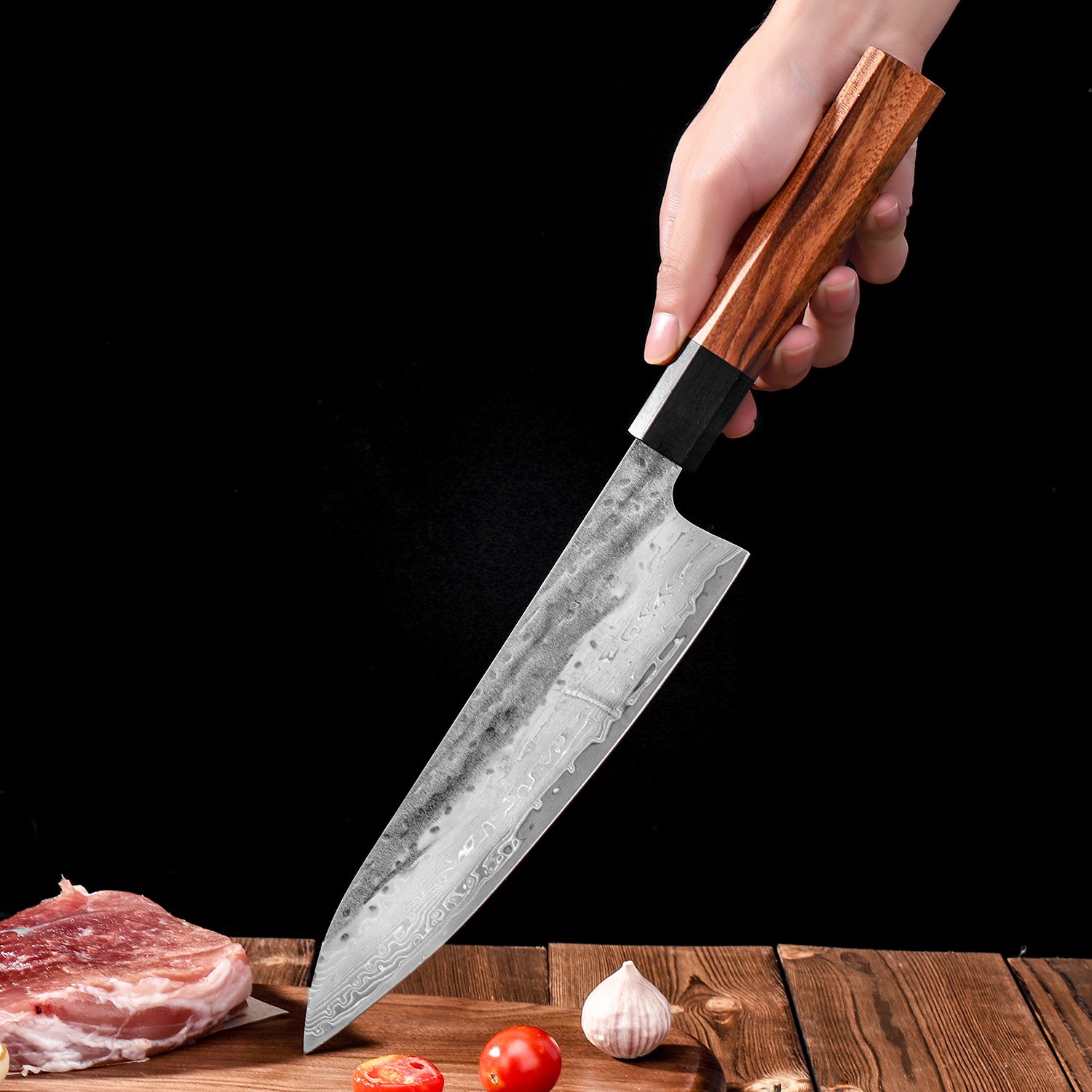
To keep your knives sharp, regular honing is essential. Honing realigns the edge of the knife, helping to maintain its sharpness between sharpenings. Use a honing steel or rod to gently run the blade along the steel at a consistent angle. This process should be done frequently, especially before heavy use.
Storing knives properly is crucial for maintaining their sharpness. Avoid tossing knives into a drawer where they can bump against other utensils. Instead, use a knife block, magnetic strip, or blade guards to protect the edges. Proper storage prevents dulling and damage to the blades.
While honing can help maintain sharpness, professional sharpening is necessary from time to time. Depending on usage, knives should be professionally sharpened every few months to a year. Professional sharpeners use specialized equipment to restore the blade's edge effectively.
Testing the sharpness of kitchen knives is an essential skill for any cook. By using methods such as the paper test, tomato test, fingernail test, hair shaving test, and cutting board test, you can easily assess the sharpness of your knives. Regular maintenance, including honing and proper storage, will ensure that your knives remain sharp and ready for use. Remember, a sharp knife is not only a tool but also a key to culinary success.
1. How often should I sharpen my kitchen knives?
- It depends on usage, but generally, professional sharpening is recommended every few months to a year.
2. Can I use a whetstone to sharpen my knives?
- Yes, whetstones are an excellent tool for sharpening knives and can provide a very fine edge.
3. Is it safe to test knife sharpness on my skin?
- No, testing knife sharpness on your skin is dangerous and should be avoided. Use safer methods like the paper or tomato test.
4. What is the best angle for sharpening a kitchen knife?
- Most kitchen knives are sharpened at an angle between 15 to 20 degrees, depending on the type of knife.
5. How can I tell if my knife needs sharpening?
- If your knife struggles to cut through food or requires excessive force, it likely needs sharpening.


