
- Home
- Products
- About Us
- OEM/ODM
- VR
- Resources
- Contacts


Views: 278 Author: Insight Publish Time: 2026-03-09 Origin: Insight


Content Menu
● Which Are the Best Kitchen Knife Sets
>> Why a Quality Kitchen Knife Set Matters
>> Understanding Knife Construction and Styles
>>> Japanese Style
>> Essential Knives Every Set Should Include
>> Factors to Consider When Buying
Choosing the right kitchen knife set is a foundational step in elevating your home cooking experience. A well-crafted set of blades does more than just cut; it transforms the way you interact with ingredients, making preparation faster, safer, and undeniably more enjoyable. Whether you are an aspiring home chef or someone looking to simplify daily meal prep, investing in a high-quality set is a decision that pays dividends in both culinary output and long-term utility.
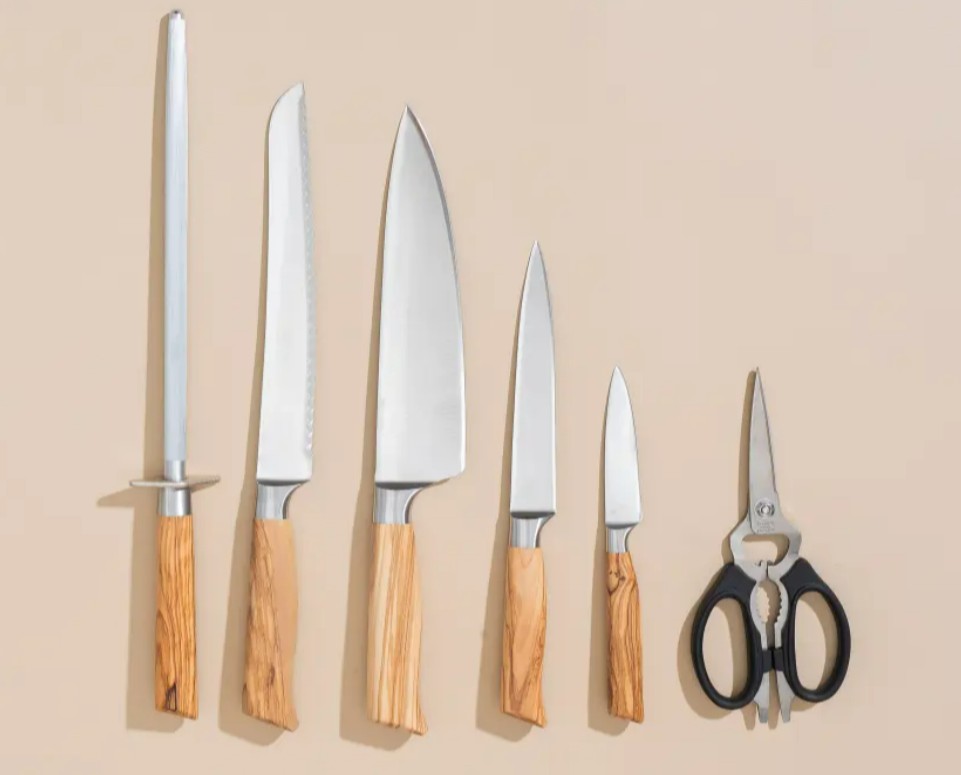
The primary reason to invest in a quality knife set lies in the balance between precision, ergonomics, and durability. Cheap knives often require frequent sharpening, feel unbalanced in the hand, and can become a safety hazard as they struggle to cut through basic produce. In contrast, premium sets are engineered with high-grade steel that holds an edge longer and handles designed for comfort during extended use.
Beyond functional benefits, a cohesive knife set provides the essential tools needed for almost any culinary task. While it is certainly possible to purchase individual knives, a curated set ensures you have the correct blade for specific jobs—from delicate paring and precise mincing to the heavy-duty tasks of chopping through root vegetables or carving a roast.
Before selecting a set, it is helpful to understand the fundamental differences between Western and Japanese blade styles.
Western blades are typically heavier and boast a thicker, more durable edge. They are designed for robust, all-purpose use and are generally more resistant to chipping. If your cooking style involves heavy chopping, breaking down chickens, or working with hard squashes, a Western-style set is often the better choice. These knives are built to withstand the rigors of frequent, intensive prep work.
Japanese-style knives, or Gyuto knives, are characterized by their lighter, thinner blades and extremely sharp edges. These tools excel at precision work, such as fine slicing, delicate vegetable prep, and creating intricate cuts. While they offer superior cutting performance, they often require more careful handling and maintenance, as the thinner steel can be more prone to chipping if misused on hard surfaces.
A truly versatile kitchen knife set does not necessarily need a dozen blades. In fact, many of the best sets focus on quality over sheer quantity. An ideal, essential lineup typically includes:
Chef's Knife: The cornerstone of the kitchen. This versatile blade handles the vast majority of your chopping, slicing, and dicing needs.
Paring Knife: Perfect for detailed tasks, such as peeling fruits, trimming vegetables, or working on small items that require precision.
Bread Knife: Essential for slicing through crusty loaves without crushing the soft interior, thanks to its serrated edge.
Utility Knife: A middle-ground tool that fills the gap between the chef's knife and the paring knife for smaller, everyday cutting tasks.
Many sets also include additional tools like kitchen shears, a honing steel, and a storage block. While these are convenient, the quality of the knives themselves should always be your primary concern.
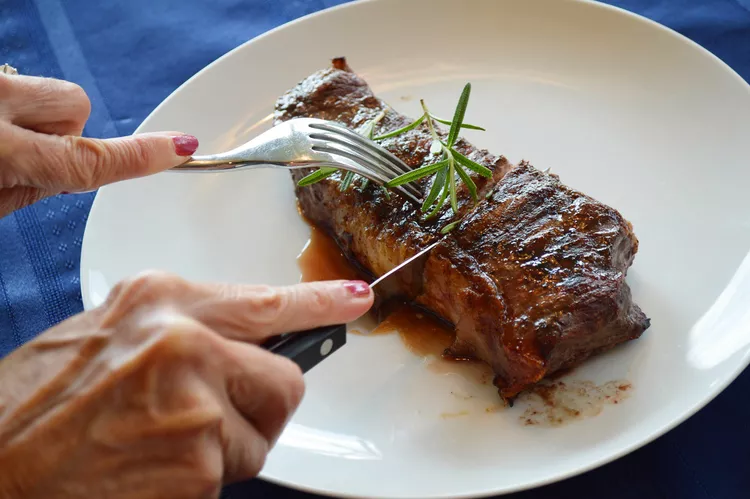
When shopping for the best knife set, keep these factors in mind to ensure you make the right investment for your kitchen:
Handle Comfort: Since you will be holding your knives for minutes or even hours at a time, the handle must feel natural and secure in your grip. Look for ergonomic shapes and materials that provide a slip-resistant surface.
Steel Quality: High-carbon stainless steel is generally preferred for its combination of edge retention and corrosion resistance. Avoid low-quality, soft metals that dull almost immediately after sharpening.
Weight and Balance: A good knife should feel like an extension of your hand. It should neither feel too heavy nor too flimsy. Balance is subjective, so if possible, hold the knife to see how it feels in your palm.
Maintenance Needs: Consider your willingness to maintain your tools. Some high-end Japanese knives require hand-washing and immediate drying, while some Western sets are more forgiving. Self-sharpening blocks can also be a significant convenience factor for home cooks.
Even the most expensive knife set will lose its performance if not properly maintained. The longevity of your blades depends heavily on how you treat them.
Hand-Wash Only: Regardless of what the packaging claims, it is best practice to hand-wash your knives with mild soap and dry them immediately. Dishwashers can cause damage through high-heat cycles and abrasive detergents, not to mention the risk of the blades banging against other utensils.
Use Proper Cutting Boards: Always use a wooden or plastic cutting board. Avoid cutting on glass, stone, or metal surfaces, as these will destroy your blade's edge almost instantly.
Regular Honing: Use a honing steel frequently to realign the edge of your blades. This simple habit keeps your knives feeling sharp between professional or stone sharpenings.
Professional Sharpening: Eventually, even the best blades will need to be sharpened on a stone. Learning how to use a whetstone is a rewarding skill, but professional sharpening services are always a reliable alternative to keep your collection in top shape.
Selecting a kitchen knife set is a personal decision based on your specific cooking habits, storage space, and budget. For many home cooks, a smaller, high-quality starter set of three to six pieces is far more useful than a massive block containing knives you will rarely use. By prioritizing the quality of the primary blades and committing to basic care, you can build a collection that will serve you faithfully for many years, turning mundane meal preparation into a highlight of your culinary routine.
Q: Do I really need a large knife block set?
A: Not necessarily. Most home cooks find that a high-quality set of three to four essential knives—a chef's knife, a paring knife, and a serrated bread knife—covers almost every requirement. Larger sets often contain redundant tools that rarely see use.
Q: Can I put my kitchen knives in the dishwasher?
A: It is strongly advised against. Dishwashers are harsh environments that can dull the blade, damage the handle materials, and introduce rust. Hand-washing is the best way to protect your investment.
Q: What is the difference between honing and sharpening?
A: Honing uses a steel rod to realign the metal edge of a blade that has become slightly bent or dull through use. Sharpening actually removes a tiny amount of metal to create a brand-new, keen edge. Honing should be done frequently, while sharpening is needed less often.
Q: Which material is best for a cutting board?
A: Wood or high-density plastic are the best choices. These materials are soft enough to allow the knife edge to bite into the surface without sustaining damage, unlike glass or granite, which will dull your knives immediately.
Q: How often should I have my knives professionally sharpened?
A: This depends on how often you cook and how well you maintain your blades. Generally, for a dedicated home cook who practices regular honing, professional sharpening once or twice a year is typically sufficient to maintain optimal performance.


