
- Home
- Products
- About Us
- OEM/ODM
- VR
- Resources
- Contacts


Views: 243 Author: Insight Publish Time: 2025-12-08 Origin: Insight


Content Menu
>> Blade
>> Handle
>> Slicing Meat
● The Importance of Knife Skills
>> Efficiency in Food Preparation
>> Sharpening
>> Cleaning
>> Storage
A chef knife, often referred to as a cook's knife, is an essential tool in any kitchen. Its versatility and functionality make it a favorite among both professional chefs and home cooks. In this article, we will explore the various uses of a chef knife in cooking, its history, types, and maintenance tips.

The blade of a chef knife is typically between 8 to 10 inches long and is made from high-carbon stainless steel. This material is favored for its ability to hold a sharp edge while being resistant to rust and corrosion. The blade's shape is designed to facilitate a rocking motion, which is ideal for chopping and mincing.
The handle of a chef knife can be made from various materials, including wood, plastic, or composite materials. A good handle should provide a comfortable grip and allow for precise control during cutting tasks.
The tip of the knife is used for delicate tasks, such as peeling or trimming, while the spine, or the top edge of the blade, can be used for tasks that require more force, such as cutting through tougher ingredients.
One of the primary uses of a chef knife is chopping vegetables. The sharp blade allows for clean cuts, making it easy to prepare ingredients for salads, stir-fries, and other dishes. The rocking motion of the knife makes it efficient for chopping herbs and garlic as well.
A chef knife is also excellent for slicing meat. Whether you are preparing chicken, beef, or pork, the sharp edge allows for precise cuts, ensuring that the meat is evenly sliced. This is particularly important for dishes that require uniform cooking, such as stir-fries or grilled meats.
Dicing is another common use for a chef knife. The wide blade allows for easy maneuvering, making it simple to create uniform cubes of vegetables or meat. This is essential for recipes that require even cooking and presentation.
Mincing herbs and garlic is a task that requires precision, and a chef knife excels in this area. The sharp blade allows for fine cuts, releasing the essential oils and flavors of the herbs, which enhances the overall taste of the dish.
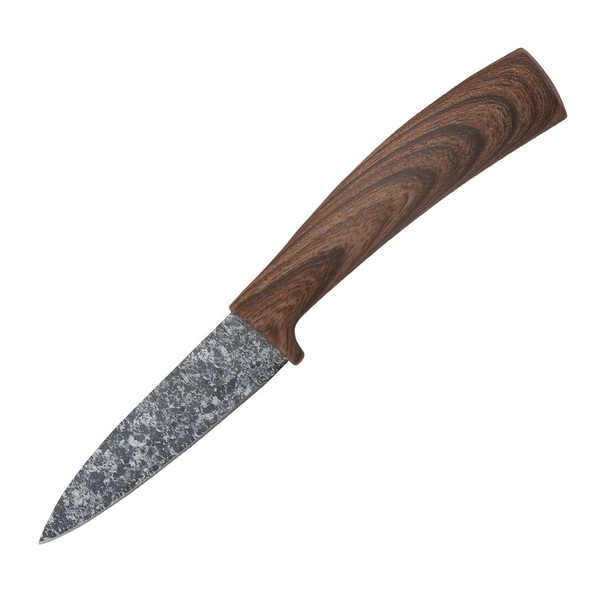
A chef knife is also useful for cutting fruits. Whether you are slicing apples for a pie or dicing mangoes for a salad, the versatility of the chef knife makes it an ideal tool for preparing fresh fruits.
Having good knife skills is crucial for safety in the kitchen. A well-sharpened chef knife is safer than a dull one, as it requires less force to cut through ingredients. This reduces the risk of slipping and accidental cuts.
Good knife skills also lead to efficiency in food preparation. Being able to chop, slice, and dice quickly allows for a smoother cooking process, especially when preparing meals for a large group.
The way food is cut can significantly impact its presentation. Uniform cuts not only enhance the visual appeal of a dish but also ensure even cooking. A chef knife allows for precision that can elevate the overall dining experience.
The Western chef knife is the most common type found in kitchens. It features a broad blade with a curved edge, making it suitable for a variety of cutting techniques. This knife is versatile and can handle most kitchen tasks.
Japanese chef knives, or gyuto, are known for their sharpness and precision. They typically have a thinner blade and a more acute angle, allowing for finer cuts. These knives are favored by many professional chefs for their performance.

The Santoku knife is a Japanese-style chef knife that is shorter and has a flatter blade. It is designed for slicing, dicing, and mincing, making it a versatile tool in the kitchen. The name "Santoku" translates to "three virtues," referring to its ability to handle three types of cutting tasks.
Regular sharpening is essential to maintain the performance of your chef knife. A sharp knife not only makes cutting easier but also enhances safety. You can use a whetstone, honing rod, or professional sharpening service to keep your knife in top condition.
After each use, it is important to clean your chef knife properly. Hand washing with mild soap and water is recommended, as dishwashers can damage the blade and handle. Always dry the knife immediately to prevent rust.
Proper storage of your chef knife is crucial for maintaining its sharpness and preventing accidents. Using a knife block, magnetic strip, or blade guard can protect the edge and keep the knife easily accessible.
In conclusion, a chef knife is an indispensable tool in the kitchen, offering versatility and efficiency for a wide range of cooking tasks. From chopping vegetables to slicing meat, its design and functionality make it a favorite among cooks of all skill levels. By understanding its uses, types, and maintenance, you can enhance your cooking experience and ensure that your chef knife remains a reliable companion in the kitchen.
---
1. What is the best way to sharpen a chef knife?
The best way to sharpen a chef knife is to use a whetstone, as it allows for precise sharpening. You can also use a honing rod for regular maintenance.
2. Can I put my chef knife in the dishwasher?
No, it is not recommended to put your chef knife in the dishwasher, as the heat and moisture can damage the blade and handle.
3. How often should I sharpen my chef knife?
You should sharpen your chef knife regularly, depending on usage. For frequent use, sharpening every few weeks is advisable.
4. What is the difference between a Western and a Japanese chef knife?
Western chef knives are typically broader and have a curved edge, while Japanese chef knives are thinner and have a more acute angle for precision cutting.
5. How should I store my chef knife?
Store your chef knife in a knife block, on a magnetic strip, or in a blade guard to protect the edge and ensure safety.


