
- Home
- Products
- About Us
- OEM/ODM
- VR
- Resources
- Contacts


Views: 260 Author: Insight Publish Time: 2026-01-08 Origin: Insight


Content Menu
● Understanding Knife Sharpening Angles
● Materials Needed for Your Angle Guide
● Step-by-Step Guide to Making Your Angle Guide
>> Step 1: Choose Your Base Material
>> Step 2: Measure and Mark the Angles
>> Step 5: Create a Base for Stability
>> Step 6: Mark the Sharpening Lines
● Using Your Knife Sharpening Angle Guide
● Tips for Effective Knife Sharpening
Sharpening knives is an essential skill for anyone who cooks regularly. A sharp knife not only makes food preparation easier but also safer. One of the key factors in achieving a sharp edge is maintaining the correct sharpening angle. In this article, we will explore how to make a knife sharpening angle guide that will help you achieve consistent results every time you sharpen your knives.

The angle at which you sharpen your knife plays a crucial role in the sharpness and durability of the blade. Different types of knives require different angles. For instance, a chef's knife is typically sharpened at a 20-degree angle, while a Japanese knife may be sharpened at a 15-degree angle. Understanding these angles is the first step in creating an effective sharpening guide.
- 15 Degrees: Common for Japanese knives, providing a fine edge for precision cutting.
- 20 Degrees: Standard for Western-style knives, offering a balance between sharpness and durability.
- 25 Degrees: Often used for heavy-duty knives, providing a robust edge for tougher tasks.
Before you start building your knife sharpening angle guide, gather the necessary materials. Here's a list of what you will need:
- A piece of wood or a sturdy plastic board
- A protractor or angle finder
- A ruler
- A saw (if cutting wood)
- Sandpaper
- A marker or pencil
- A clamp (optional)
Select a piece of wood or plastic that is sturdy enough to withstand the pressure of sharpening. A thickness of at least half an inch is recommended to ensure stability.
Using your protractor, measure the desired angles for your knife types. For example, if you are making a guide for a chef's knife, mark a 20-degree angle on one end of the board. If you are also sharpening Japanese knives, mark a 15-degree angle on the other end.
If you are using wood, carefully cut along the marked lines to create the angles. If you are using a plastic board, you may need to score the lines with a utility knife and then snap the plastic along the score lines.
Once you have cut the angles, use sandpaper to smooth the edges. This will prevent any splinters or rough edges that could damage your knife or cause injury.
To ensure that your angle guide remains stable while sharpening, you can attach a base to the bottom of your angle guide. This can be a larger piece of wood or rubber feet that will prevent slipping.
Using your ruler, draw straight lines from the tip of the angle to the base of the guide. These lines will help you maintain a consistent angle while sharpening.
Before using your angle guide on your knives, test it with a less valuable knife to ensure that it works as intended. Adjust the angles if necessary.
To use your angle guide, place the knife against the guide at the marked angle. Ensure that the blade is flat against the guide to maintain the correct angle throughout the sharpening process.
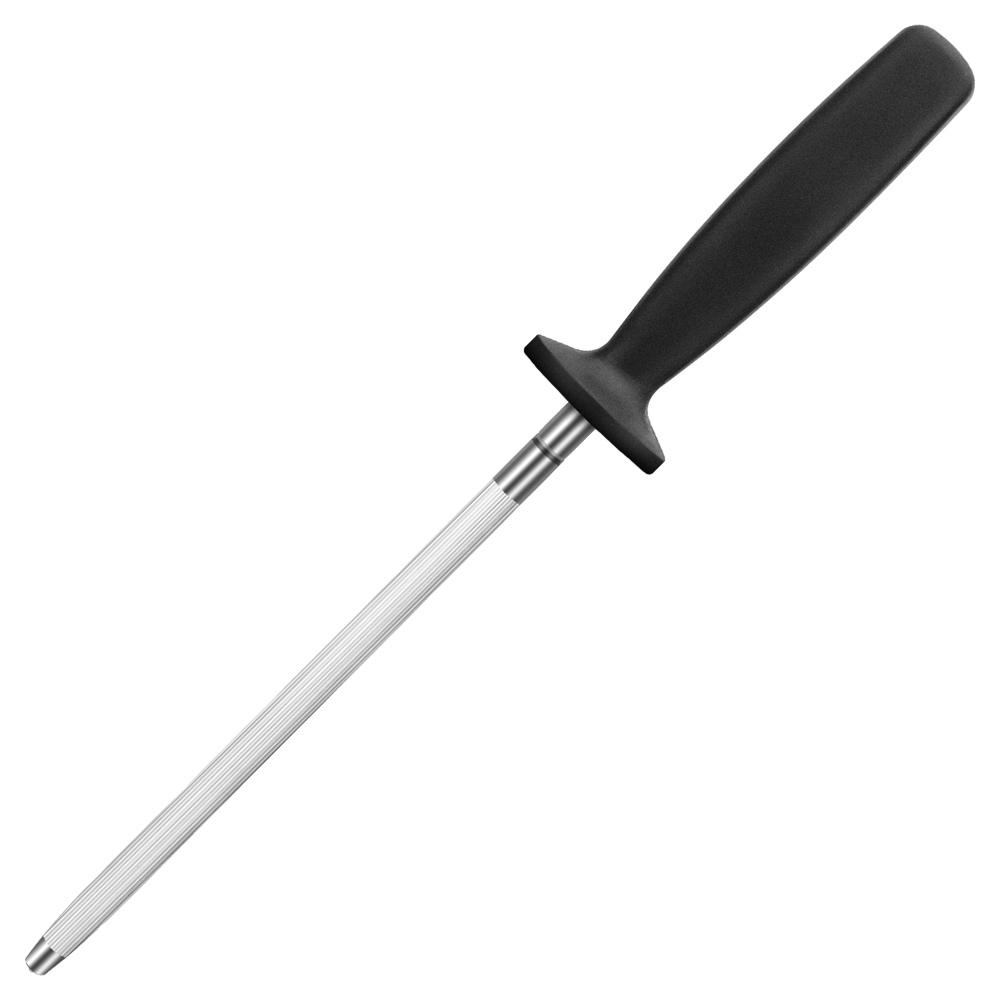
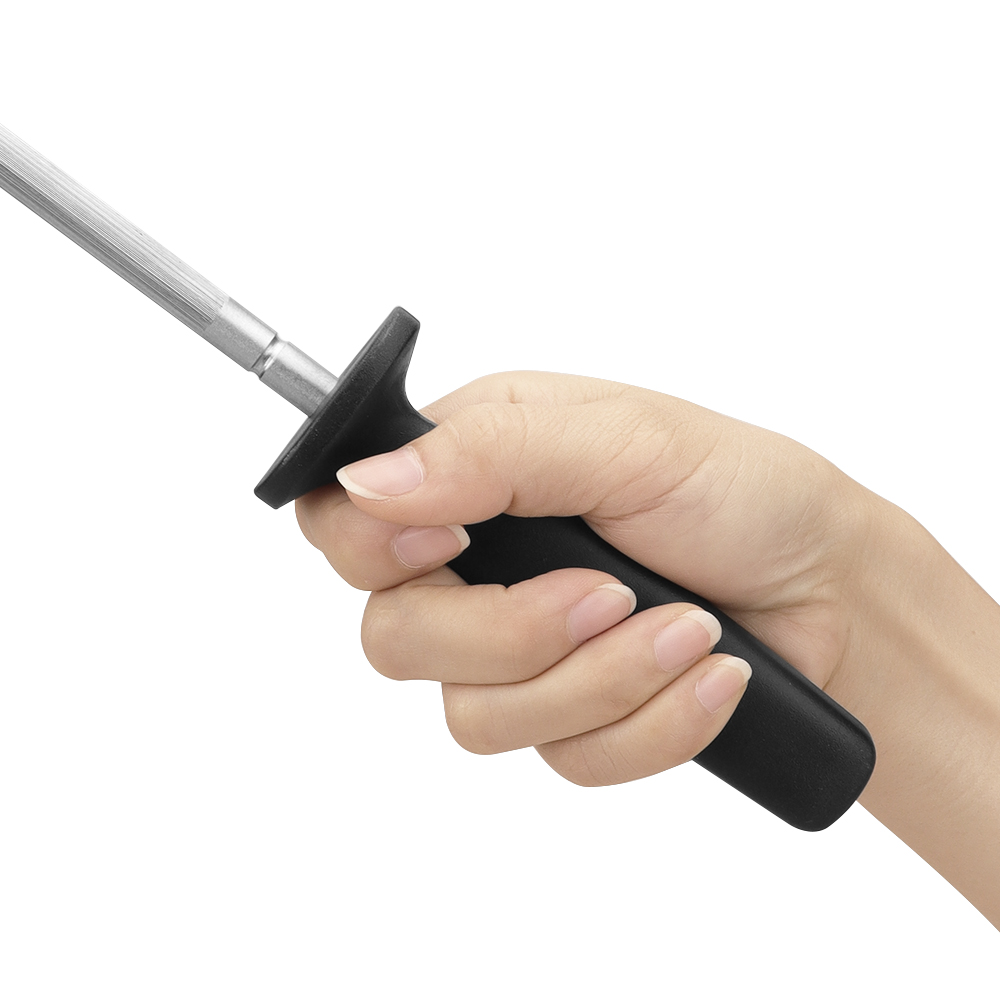
There are various methods for sharpening knives, including using whetstones, honing rods, and electric sharpeners. Regardless of the method you choose, the angle guide will help you maintain the correct angle for optimal sharpening.
After sharpening, it's essential to maintain your knife. Regular honing can help keep the edge sharp between sharpenings. Additionally, always clean your knife after use to prevent corrosion and damage.
Ensure that your sharpening tools are clean and free from debris. This will help achieve a sharper edge and prolong the life of your tools.
Like any skill, sharpening knives takes practice. Regularly using your angle guide will help you become more proficient and confident in your sharpening abilities.
While making your angle guide is a great start, investing in quality sharpening tools will yield better results. Look for high-quality whetstones or sharpeners that suit your needs.
Creating a knife sharpening angle guide is a straightforward project that can significantly improve your knife sharpening skills. By understanding the importance of sharpening angles and following the steps outlined in this article, you can make a guide that will help you achieve consistent and sharp edges on your knives.
1. What is the best angle for sharpening a chef's knife?
- The best angle for sharpening a chef's knife is typically around 20 degrees.
2. Can I use the same angle for all my knives?
- No, different knives require different angles for optimal performance. It's essential to know the recommended angle for each type of knife.
3. How often should I sharpen my knives?
- It depends on usage, but generally, you should sharpen your knives every few months or whenever they feel dull.
4. What materials can I use for my angle guide?
- You can use wood, plastic, or even metal, as long as it is sturdy and can hold the angles securely.
5. Is it necessary to use an angle guide?
- While not strictly necessary, an angle guide helps maintain consistency and improves the quality of the sharpening process.


