
- Home
- Products
- About Us
- OEM/ODM
- VR
- Resources
- Contacts


Views: 243 Author: Insight Publish Time: 2025-12-27 Origin: Insight


Content Menu
● Understanding Scissors and Their Blades
● The Importance of Sharpening Scissors
>> Signs That Scissors Need Sharpening
● Sharpening Methods for Scissors
● Can You Use a Knife Sharpener on Scissors?
>> Understanding Knife Sharpeners
>> Risks of Using a Knife Sharpener
● Alternative Methods for Sharpening Scissors
>> Professional Sharpening Services
>> When to Seek Professional Help
>> Word Count
Sharpening tools is an essential skill for anyone who uses them regularly. Among the most common tools that require sharpening are knives and scissors. While many people are familiar with sharpening knives, there is often confusion about whether a knife sharpener can also be used to sharpen scissors. In this article, we will explore the intricacies of sharpening scissors, the types of sharpeners available, and whether a knife sharpener is suitable for this task.
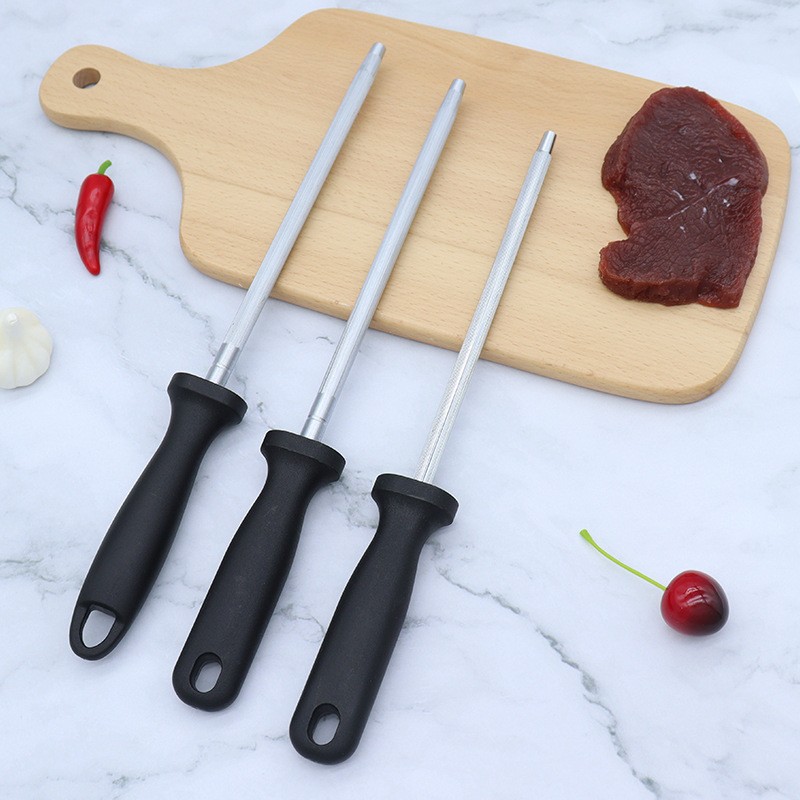
Scissors consist of two blades that pivot around a central point. Each blade has a cutting edge that is designed to slice through materials. The sharpness of these blades is crucial for the effective functioning of the scissors. Over time, the edges can become dull due to regular use, necessitating sharpening.
There are various types of scissor blades, including:
- Straight Blades: Commonly used for general cutting tasks.
- Serrated Blades: Often found in kitchen scissors, these blades have a saw-like edge that can grip and cut through tougher materials.
- Left-Handed Blades: Designed specifically for left-handed users, these scissors have a different blade orientation.
Understanding the type of scissors you have is essential when considering sharpening methods.
Dull scissors can lead to frustration and poor cutting performance. They require more force to cut through materials, which can lead to uneven cuts and even damage to the materials being cut. Regularly sharpening scissors ensures they remain effective and prolongs their lifespan.
There are several indicators that your scissors may need sharpening:
- Difficulty cutting through paper or fabric.
- The blades feel rough or snag when cutting.
- The scissors leave jagged edges instead of clean cuts.
If you notice any of these signs, it may be time to sharpen your scissors.
One of the most traditional methods of sharpening scissors is manual sharpening. This involves using a sharpening stone or a specialized scissor sharpener.

To sharpen scissors with a sharpening stone, follow these steps:
1. Disassemble the Scissors: Carefully take apart the scissors to access the blades.
2. Select the Right Grit: Use a coarse grit for initial sharpening and a finer grit for honing the edge.
3. Angle the Blade: Hold the blade at a 20-degree angle against the stone.
4. Sharpen the Edge: Move the blade across the stone in a smooth motion, applying even pressure.
5. Repeat on the Other Blade: Ensure both blades are sharpened equally.
A scissor sharpener is a specialized tool designed to sharpen scissor blades. It typically has a slot where the blade can be inserted, and the user pulls the blade through the sharpener to achieve a sharp edge.
Electric sharpeners are another option for sharpening scissors. These devices often come with multiple slots for different types of blades, including scissors. They provide a quick and efficient way to sharpen blades without the need for manual effort.
Knife sharpeners come in various forms, including manual sharpeners, electric sharpeners, and sharpening stones. They are designed to sharpen the specific angle and edge of a knife blade.
While some knife sharpeners may claim to sharpen scissors, it is essential to consider the design of the scissor blades. Scissors have a different cutting angle compared to knives. Using a knife sharpener on scissors can lead to improper sharpening, potentially damaging the blades.
Using a knife sharpener on scissors can result in:
- Uneven sharpening: The angle of the blade may not be suitable for the sharpener, leading to an uneven edge.
- Damage to the blades: The wrong sharpening technique can cause chips or nicks in the blade.
- Reduced cutting efficiency: Improperly sharpened scissors may perform worse than before.
If you do not have access to a professional sharpener, there are several household items that can help sharpen scissors:
- Aluminum Foil: Folding a piece of aluminum foil several times and cutting through it can help hone the edges of the scissors.
- Sandpaper: Cutting through fine-grit sandpaper can also help sharpen the blades.
- Nail File: A metal nail file can be used to smooth out the edges of the blades.

For those who are not comfortable sharpening their scissors at home, professional sharpening services are available. These services use specialized equipment to ensure that scissors are sharpened correctly and efficiently.
To keep your scissors sharp for longer, consider the following maintenance tips:
- Clean the Blades: Regularly clean the blades to remove any debris or sticky residue.
- Store Properly: Store scissors in a protective case or sheath to prevent damage to the blades.
- Avoid Cutting Hard Materials: Using scissors on materials like cardboard or metal can dull the blades quickly.
If your scissors are severely dull or damaged, it may be best to seek professional help. A professional sharpener can restore the blades to their original sharpness and ensure they are safe to use.
In conclusion, while it may be tempting to use a knife sharpener to sharpen scissors, it is not advisable due to the differences in blade design and cutting angles. Instead, consider using manual sharpening methods, electric sharpeners, or household items to maintain your scissors. Regular maintenance and proper sharpening techniques will ensure that your scissors remain effective and last for years to come.
1. Can I use a knife sharpener on my scissors?
- It is not recommended to use a knife sharpener on scissors due to the different blade angles and designs.
2. What is the best way to sharpen scissors?
- The best way to sharpen scissors is to use a specialized scissor sharpener or a sharpening stone.
3. How often should I sharpen my scissors?
- It depends on usage, but generally, scissors should be sharpened when they start to feel dull or are not cutting cleanly.
4. Can I sharpen serrated scissors?
- Yes, serrated scissors can be sharpened, but it requires a specialized sharpener designed for serrated edges.
5. What household items can I use to sharpen scissors?
- Aluminum foil, sandpaper, and a metal nail file can be used to sharpen scissors in a pinch.


