
- Home
- Products
- About Us
- OEM/ODM
- VR
- Resources
- Contacts


Views: 211 Author: Insight Publish Time: 2025-12-27 Origin: Insight


Content Menu
● Understanding Knife Sharpeners
>>> Honing Rods
>> Choosing the Right Sharpener
● How to Use a Manual Knife Sharpener
● How to Use an Electric Knife Sharpener
>> Tips for Electric Sharpening
● How to Use a Sharpening Stone
● Maintaining Your Knife Sharpener
>> Storage
>> Word Count
Sharpening knives is an essential skill for anyone who cooks regularly. A sharp knife not only makes food preparation easier but also safer, as dull knives can slip and cause accidents. Knife sharpeners come in various forms, and knowing how to use them effectively can prolong the life of your knives and enhance your cooking experience. In this article, we will explore the different types of knife sharpeners, how to use them, and tips for maintaining your knives.

There are several types of knife sharpeners available, each with its own advantages and disadvantages. Understanding these types will help you choose the right one for your needs.
Manual sharpeners are handheld devices that require the user to apply pressure and move the knife through the sharpening mechanism. They often have two slots: one for coarse sharpening and another for fine honing.
Electric sharpeners are powered devices that automate the sharpening process. They typically have multiple slots for different types of blades and can sharpen knives quickly and efficiently.
Sharpening stones, or whetstones, are flat stones used to sharpen blades manually. They come in various grits, allowing for both coarse sharpening and fine honing. Using a sharpening stone requires some skill but can yield excellent results.
Honing rods, also known as sharpening steels, are used to realign the edge of a knife rather than sharpen it. They are typically used after each use to maintain the knife's sharpness.
When selecting a knife sharpener, consider the following factors:
- Type of Knives: Different knives may require different sharpening methods. For example, serrated knives need specialized sharpeners.
- Skill Level: If you are a beginner, a manual or electric sharpener may be easier to use than a sharpening stone.
- Budget: Knife sharpeners come in a range of prices. Determine how much you are willing to spend before making a purchase.

Using a manual knife sharpener is straightforward. Follow these steps for effective sharpening:
1. Prepare the Sharpener: Place the sharpener on a stable surface. Ensure it is clean and free of debris.
2. Select the Slot: If your sharpener has multiple slots, start with the coarse slot for dull knives. If the knife is only slightly dull, you can begin with the fine slot.
3. Position the Knife: Hold the knife firmly by the handle. Position the blade at the correct angle, usually around 20 degrees, against the sharpening slot.
4. Sharpen the Blade: Pull the knife through the sharpener with even pressure. Start at the base of the blade and pull towards the tip. Repeat this motion several times, usually around five to ten times, depending on the dullness of the blade.
5. Switch Slots: If using a two-slot sharpener, switch to the fine slot and repeat the sharpening process to hone the edge.
6. Test the Sharpness: After sharpening, test the knife on a piece of paper or a tomato. A sharp knife should cut cleanly and easily.
- Use Light Pressure: Applying too much pressure can damage the blade. Let the sharpener do the work.
- Maintain Consistent Angle: Keeping a consistent angle is crucial for effective sharpening. Practice will help you develop a steady hand.
- Clean the Knife: After sharpening, wipe the blade with a damp cloth to remove any metal shavings.
Electric sharpeners are designed for ease of use. Here's how to use one effectively:
1. Set Up the Sharpener: Place the electric sharpener on a flat, stable surface. Plug it in and turn it on.
2. Select the Slot: Choose the appropriate slot for the type of knife you are sharpening. Some electric sharpeners have specific slots for different blade types.
3. Insert the Knife: Hold the knife by the handle and insert the blade into the sharpening slot. Ensure the blade is positioned correctly according to the sharpener's guidelines.
4. Sharpen the Knife: Gently pull the knife through the sharpener. Most electric sharpeners will automatically guide the knife through the sharpening process. Repeat this motion several times.
5. Check the Sharpness: After sharpening, test the knife to ensure it has reached the desired sharpness.
- Follow Manufacturer Instructions: Each electric sharpener may have specific instructions. Always refer to the manual for best results.
- Avoid Over-Sharpening: Electric sharpeners can remove more material than manual sharpeners. Be cautious not to over-sharpen, as this can shorten the knife's lifespan.
- Regular Maintenance: Clean the sharpener regularly to prevent buildup of metal shavings and debris.

Using a sharpening stone requires more skill but can produce excellent results. Here's how to use one:
1. Choose the Right Stone: Select a sharpening stone with the appropriate grit for your knife. Coarse stones are for dull blades, while fine stones are for honing.
2. Prepare the Stone: If using a water stone, soak it in water for about 10-15 minutes. For oil stones, apply a thin layer of oil to the surface.
3. Position the Knife: Hold the knife at a 20-degree angle against the stone.
4. Sharpen the Blade: Starting at the base of the blade, push the knife across the stone in a sweeping motion, moving towards the tip. Apply light pressure and maintain the angle. Repeat this motion several times on one side before switching to the other side.
5. Hone the Edge: After sharpening both sides, use the fine grit side of the stone to hone the edge. This will refine the sharpness.
6. Clean the Knife: Wipe the blade clean after sharpening to remove any debris.
- Practice the Angle: Maintaining the correct angle is crucial. You may want to practice on a less valuable knife first.
- Use Consistent Strokes: Consistency in your strokes will lead to a more even edge.
- Be Patient: Sharpening with a stone takes time and practice. Don't rush the process.
Honing rods are used to maintain the edge of a knife rather than sharpen it. Here's how to use one:
1. Hold the Rod Vertically: Place the honing rod in a vertical position, either in a holder or held firmly in your hand.
2. Position the Knife: Hold the knife at a 20-degree angle against the rod.
3. Hone the Blade: Starting at the base of the blade, gently pull the knife down the rod towards the tip. Alternate sides, honing each side of the blade several times.
4. Check the Sharpness: After honing, test the knife to see if it has regained its sharpness.
- Regular Use: Use the honing rod regularly to maintain the knife's edge between sharpenings.
- Light Pressure: Use light pressure to avoid damaging the blade.
- Practice: Like sharpening, honing takes practice to master the technique.
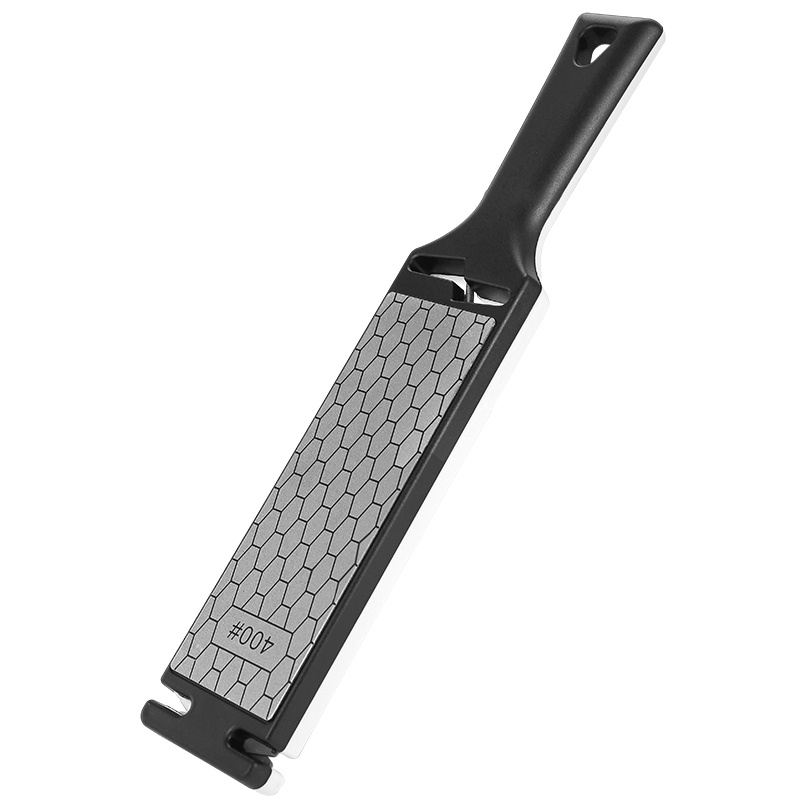
Keeping your knife sharpener clean is essential for its longevity and effectiveness. After each use, wipe down the sharpener to remove any metal shavings or debris. For electric sharpeners, refer to the manufacturer's instructions for cleaning.
Store your knife sharpener in a dry place, away from moisture. If using a manual sharpener, consider keeping it in a protective case to prevent damage.
Regularly inspect your sharpener for any signs of wear or damage. If you notice any issues, consider replacing the sharpener to ensure optimal performance.
Using a knife sharpener tool is an essential skill for anyone who values kitchen efficiency and safety. Whether you choose a manual sharpener, electric sharpener, sharpening stone, or honing rod, understanding how to use these tools effectively will enhance your cooking experience. Regular maintenance and proper sharpening techniques will keep your knives in top condition, making food preparation a breeze.
1. How often should I sharpen my knives?
- It depends on usage, but generally, knives should be sharpened when they start to feel dull or are not cutting cleanly.
2. Can I use a knife sharpener on serrated knives?
- Yes, but you will need a specialized sharpener designed for serrated edges.
3. What is the difference between sharpening and honing?
- Sharpening removes material to create a new edge, while honing realigns the existing edge without removing material.
4. Is it better to use a manual or electric sharpener?
- It depends on personal preference. Manual sharpeners offer more control, while electric sharpeners are quicker and easier to use.
5. Can I sharpen ceramic knives?
- Ceramic knives require specialized diamond sharpeners, as traditional sharpeners cannot effectively sharpen them.


