
- Home
- Products
- About Us
- OEM/ODM
- VR
- Resources
- Contacts


Views: 255 Author: Insight Publish Time: 2026-01-09 Origin: Insight


Content Menu
● Understanding Knife Sharpening
>> The Importance of Sharp Knives
● Getting Started with a Chef's Choice Knife Sharpener
● How to Use a Chef's Choice Knife Sharpener
>>> Step 1: Select the Correct Slot
>>> Step 2: Position the Knife
>>> Step 4: Move to the Next Slot
>> Tips for Effective Sharpening
● Troubleshooting Common Issues
>> Knife Not Sharpening Properly
>> Uneven Edge
Maintaining the sharpness of your kitchen knives is essential for efficient cooking. A dull knife can be dangerous and frustrating to use. One of the best tools for keeping your knives in top condition is a Chef's Choice knife sharpener. This article will guide you through the process of using a Chef's Choice knife sharpener effectively, ensuring your knives remain sharp and ready for any culinary task.

Sharp knives are crucial in the kitchen for several reasons. They allow for precise cuts, reduce the risk of accidents, and make food preparation faster and more enjoyable. A sharp knife requires less force to cut through food, which means you have better control and can make cleaner cuts.
There are various types of knife sharpeners available, including whetstones, manual sharpeners, and electric sharpeners. Chef's Choice is known for its electric sharpeners, which are designed to make the sharpening process quick and easy. Understanding how these sharpeners work will help you use them effectively.
Chef's Choice offers several models of knife sharpeners, each with different features. When selecting a sharpener, consider the types of knives you own. Some models are designed specifically for Asian-style knives, while others work best with Western-style knives. Ensure that the sharpener you choose is compatible with your knife collection.
Before you begin sharpening, inspect your knives for any damage. If a knife has a significant chip or is severely damaged, it may require professional sharpening. For regular maintenance, however, a Chef's Choice sharpener is perfect.
Place the Chef's Choice knife sharpener on a stable, flat surface. Ensure that it is plugged in and that the power switch is turned on. Familiarize yourself with the different slots on the sharpener, as each slot serves a specific purpose in the sharpening process.
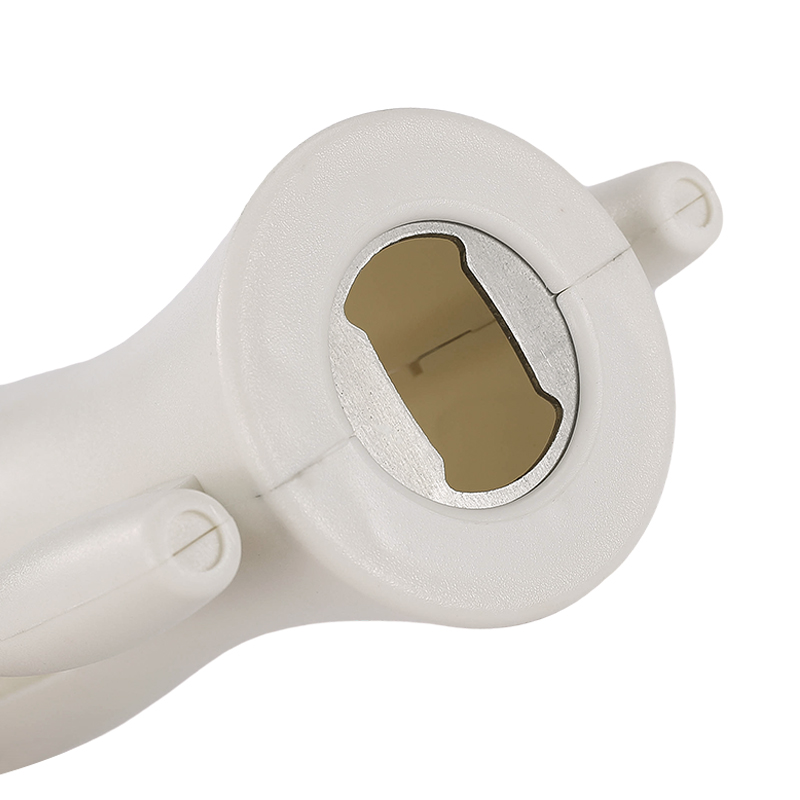
Most Chef's Choice sharpeners have multiple slots for different stages of sharpening. The first slot is typically for coarse sharpening, while the second is for fine honing. If your model has a third slot, it may be for polishing the blade. Start with the coarse slot if your knife is very dull.
Hold the knife firmly by the handle and position the blade into the selected slot. Ensure that the blade is inserted at the correct angle, which is usually indicated by markings on the sharpener. The angle is crucial for effective sharpening.
Gently pull the knife through the slot, applying light pressure. Do not force the knife; let the sharpener do the work. Repeat this process several times, usually around three to six passes, depending on how dull the knife is.
After sharpening in the coarse slot, move to the fine honing slot. Repeat the same process, pulling the knife through the slot to refine the edge. This step is essential for achieving a razor-sharp finish.
If your sharpener has a polishing slot, use it to give your knife a final touch. This step helps to remove any burrs left from the sharpening process and adds a smooth finish to the blade.
- Use Consistent Pressure: Apply even pressure while sharpening to ensure a uniform edge.
- Don't Rush: Take your time during the sharpening process. Rushing can lead to uneven sharpening.
- Regular Maintenance: Sharpen your knives regularly to maintain their sharpness. A little maintenance goes a long way.
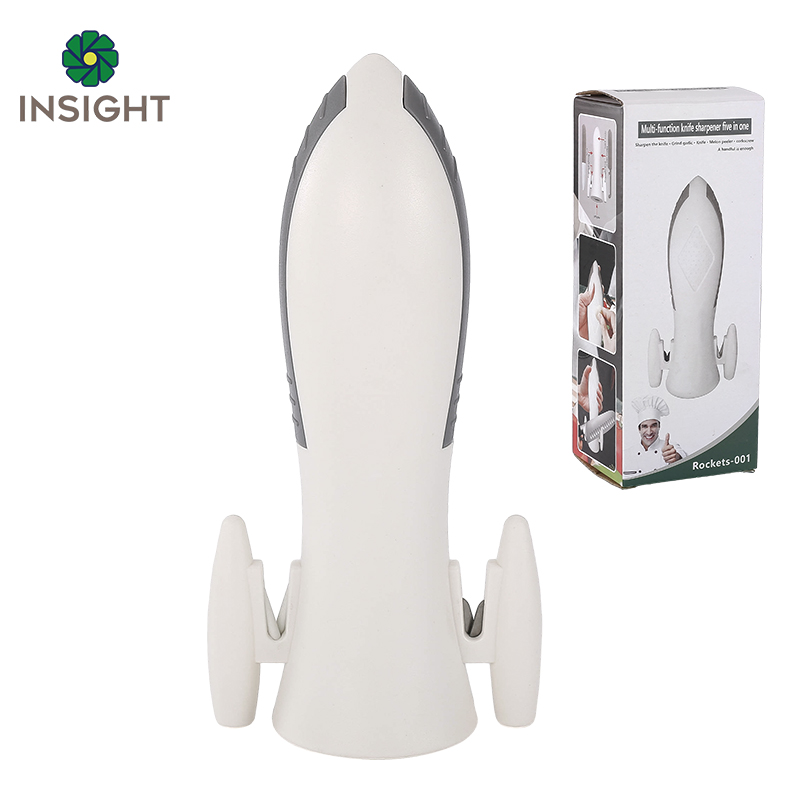
Always handle knives with care, especially when sharpening. Keep your fingers away from the blade and ensure that the sharpener is stable during use. If you are new to using a knife sharpener, consider practicing with an old knife first.
After sharpening, clean the sharpener according to the manufacturer's instructions. This may involve wiping down the exterior and removing any metal shavings that have accumulated during the sharpening process.
If your knife is not sharpening as expected, check the following:
- Ensure the knife is inserted correctly into the slot.
- Verify that you are using the appropriate slot for the knife's condition.
- Make sure the sharpener is clean and free of debris.
If the knife edge appears uneven after sharpening, it may be due to inconsistent pressure during the sharpening process. Try sharpening again, focusing on applying even pressure throughout.
Using a Chef's Choice knife sharpener is a straightforward process that can significantly enhance the performance of your kitchen knives. By following the steps outlined in this article, you can ensure that your knives remain sharp and ready for any culinary challenge. Regular maintenance will not only improve your cooking experience but also extend the life of your knives.
1. How often should I sharpen my knives?
- It depends on usage, but generally, sharpening every few months is sufficient for home cooks.
2. Can I use a Chef's Choice sharpener on all types of knives?
- Most Chef's Choice sharpeners are versatile, but check the model specifications for compatibility with your knife types.
3. What should I do if my knife is chipped?
- A chipped knife may require professional sharpening. If the chip is minor, you can try using the coarse slot on the sharpener.
4. Is it safe to use an electric sharpener?
- Yes, as long as you follow the manufacturer's instructions and handle the knives carefully.
5. Can I sharpen serrated knives with a Chef's Choice sharpener?
- Some models are designed to sharpen serrated knives, but check the product details to ensure compatibility.


