
- Home
- Products
- About Us
- OEM/ODM
- VR
- Resources
- Contacts


Views: 215 Author: Insight Publish Time: 2025-12-10 Origin: Insight


Content Menu
● Understanding Kitchen Knives
>> The Importance of a Good Knife
>>> Chef's Knife
>>> Paring Knife
>>> Bread Knife
>>> Utility Knife
>>> Boning Knife
● Factors to Consider When Buying a Knife Set
>> Material
>>> Stainless Steel
>>> Carbon Steel
>>> Ceramic
>> Price
● Where to Buy Kitchen Knife Sets
>> Local Kitchen Supply Stores
● Maintaining Your Kitchen Knives
>> Sharpening
When it comes to cooking, having the right tools can make all the difference. A good kitchen knife set is essential for any home chef, whether you are a beginner or a seasoned professional. In this article, we will explore the key factors to consider when purchasing a kitchen knife set, the different types of knives available, and how to maintain them for longevity.

A good kitchen knife is not just a tool; it is an extension of the chef's hand. The right knife can enhance your cooking experience, making food preparation faster and more enjoyable. A dull or poorly made knife can lead to frustration and even accidents in the kitchen. Therefore, investing in a quality knife set is crucial.
Before diving into the specifics of purchasing a knife set, it is important to understand the different types of kitchen knives available. Each knife serves a unique purpose, and knowing these can help you choose the right set for your needs.
The chef's knife is the workhorse of the kitchen. Typically ranging from 6 to 12 inches in length, it is versatile enough for chopping, slicing, and dicing a variety of ingredients. A good chef's knife should feel comfortable in your hand and have a balanced weight.
A paring knife is smaller, usually around 3 to 4 inches long, and is ideal for intricate tasks such as peeling fruits and vegetables or deveining shrimp. It is a must-have for any kitchen.
A bread knife features a serrated edge, making it perfect for slicing through crusty loaves without crushing them. This knife is essential for anyone who enjoys baking or eating fresh bread.
The utility knife is a mid-sized knife that can be used for a variety of tasks, from slicing sandwiches to cutting cheese. It is a versatile addition to any knife set.
A boning knife has a thin, flexible blade that is designed for deboning meat and fish. It allows for precision and control when working with delicate proteins.
In addition to the basic knives, there are also specialty knives such as fillet knives, cleavers, and steak knives. Depending on your cooking style, you may want to consider adding these to your collection.
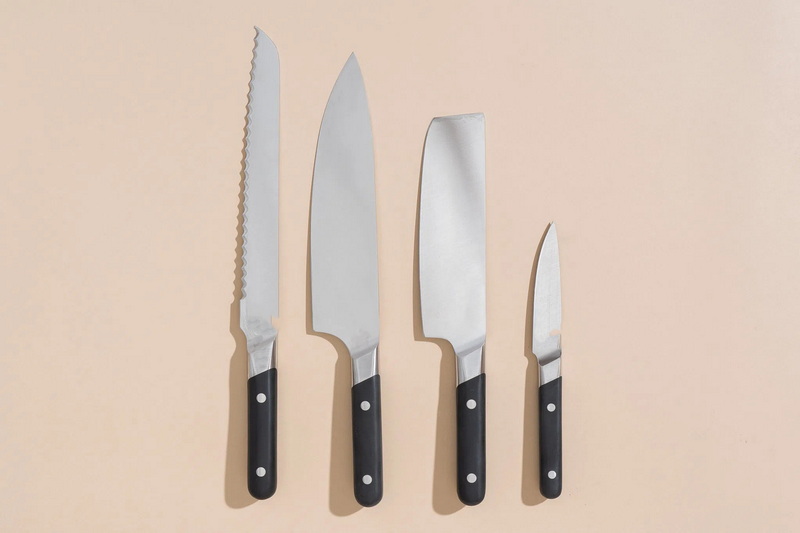
When purchasing a kitchen knife set, there are several factors to keep in mind to ensure you make the best choice for your cooking needs.
The material of the knife blade is one of the most important factors to consider. Common materials include stainless steel, carbon steel, and ceramic.
Stainless steel knives are popular due to their resistance to rust and corrosion. They are easy to maintain and can hold a sharp edge well. However, they may not be as easy to sharpen as carbon steel knives.
Carbon steel knives are known for their ability to hold a sharp edge longer than stainless steel. They are favored by many professional chefs. However, they require more maintenance to prevent rusting.
Ceramic knives are lightweight and maintain their sharpness for a long time. They are ideal for slicing fruits and vegetables but can chip or break if dropped.
The handle of the knife is just as important as the blade. A comfortable handle will allow for better control and reduce fatigue during extended use. Look for handles made from materials such as wood, plastic, or rubber, and choose one that feels good in your hand.
The weight and balance of a knife can greatly affect its performance. A well-balanced knife will feel comfortable and allow for precise cuts. When trying out knives, hold them in your hand to see how they feel.
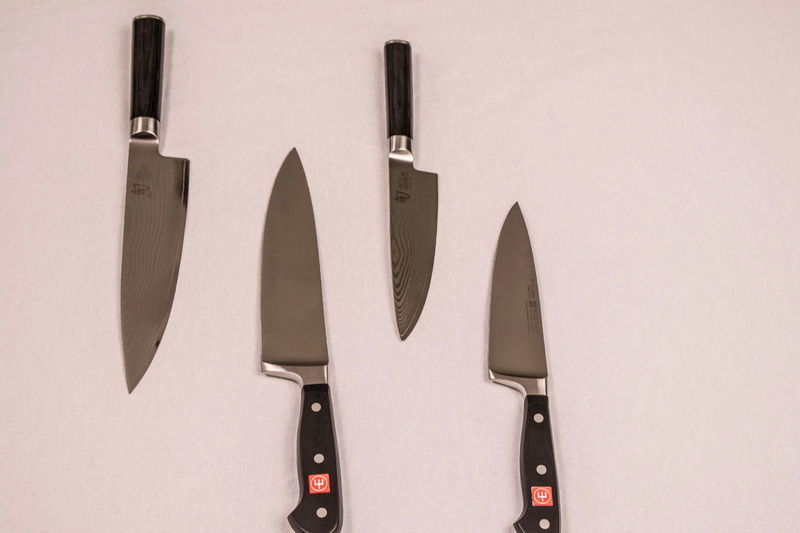
Consider purchasing knives from reputable brands known for their quality. Research customer reviews and expert opinions to find brands that consistently produce high-quality knives.
Knife sets can vary significantly in price. While it may be tempting to go for the cheapest option, remember that a good knife set is an investment. Look for a balance between quality and affordability.
Many people prefer to shop for kitchen knives online due to the convenience and variety available. Websites like Amazon, Williams Sonoma, and specialty kitchen stores offer a wide range of options. Be sure to read reviews and check return policies before making a purchase.
Visiting a local kitchen supply store allows you to handle the knives before buying. This can be beneficial for assessing comfort and balance. Additionally, knowledgeable staff can provide valuable insights and recommendations.
For those serious about their cooking, specialty knife shops offer a curated selection of high-quality knives. Staffed by experts, these shops can provide personalized advice and even offer knife sharpening services.
Once you have invested in a good kitchen knife set, it is essential to maintain them properly to ensure their longevity.
Always clean your knives after use. Hand washing with mild soap and water is recommended. Avoid putting knives in the dishwasher, as the heat and movement can damage the blades and handles.
Keeping your knives sharp is crucial for performance and safety. Invest in a good sharpening tool, such as a whetstone or a honing rod. Regularly honing your knives will help maintain their edge, while occasional sharpening will restore their sharpness.
Store your knives in a way that protects the blades. Knife blocks, magnetic strips, or sheaths are all good options. Avoid tossing knives into a drawer, as this can dull the blades and cause accidents.
Be mindful of the surfaces you cut on. Use cutting boards made of wood or plastic, as glass or stone surfaces can dull your knives quickly. Additionally, avoid using your knives for tasks they are not designed for, such as prying open cans.
Investing in a good kitchen knife set is essential for anyone who enjoys cooking. By understanding the different types of knives, considering key factors when purchasing, and maintaining your knives properly, you can enhance your cooking experience and ensure your knives last for years to come.
1. What is the best type of knife for beginners?
A chef's knife is the best type of knife for beginners due to its versatility.
2. How often should I sharpen my kitchen knives?
It depends on usage, but generally, honing should be done regularly, and sharpening every few months is recommended.
3. Can I put my kitchen knives in the dishwasher?
No, it is best to hand wash your knives to prevent damage.
4. What is the difference between a chef's knife and a paring knife?
A chef's knife is larger and used for general tasks, while a paring knife is smaller and used for intricate tasks.
5. How should I store my kitchen knives?
Store them in a knife block, on a magnetic strip, or in sheaths to protect the blades.


