


Content Menu
● Understanding Kitchen Knife Sets
>> What is a Kitchen Knife Set?
>> Types of Knives in a Kitchen Knife Set
● Factors to Consider When Choosing a Kitchen Knife Set
>> Price Range
● Caring for Your Kitchen Knives
When it comes to cooking, having the right tools can make all the difference. Among these tools, a good kitchen knife set is essential for any home chef. In this article, we will explore the various types of kitchen knife sets available, what to look for when purchasing one, and how to care for your knives to ensure they last a lifetime.

A kitchen knife set typically includes a variety of knives designed for different tasks in the kitchen. These sets can range from basic collections with just a few essential knives to comprehensive sets that include specialized knives for specific tasks.
Most kitchen knife sets will include the following types of knives:
- Chef's Knife: This is the most versatile knife in the kitchen, used for chopping, slicing, and dicing.
- Paring Knife: A small knife used for intricate work like peeling and trimming.
- Bread Knife: A serrated knife designed for slicing bread without crushing it.
- Utility Knife: A mid-sized knife that can be used for various tasks.
- Boning Knife: A flexible knife used for deboning meat and fish.
The material of the knife blades is crucial for performance and durability. Common materials include:
- Stainless Steel: Resistant to rust and corrosion, stainless steel knives are popular for their durability and ease of maintenance.
- High Carbon Steel: Known for its sharpness and edge retention, high carbon steel can rust if not cared for properly.
- Ceramic: Lightweight and resistant to rust, ceramic knives maintain their sharpness for a long time but can be brittle.
The handle of the knife is just as important as the blade. A comfortable handle can reduce fatigue during prolonged use. Look for handles made from materials like:
- Wood: Offers a traditional feel and good grip but requires more maintenance.
- Plastic: Lightweight and easy to clean, plastic handles can be molded into ergonomic shapes.
- Metal: Often found in higher-end knives, metal handles can provide a sleek look and durability.
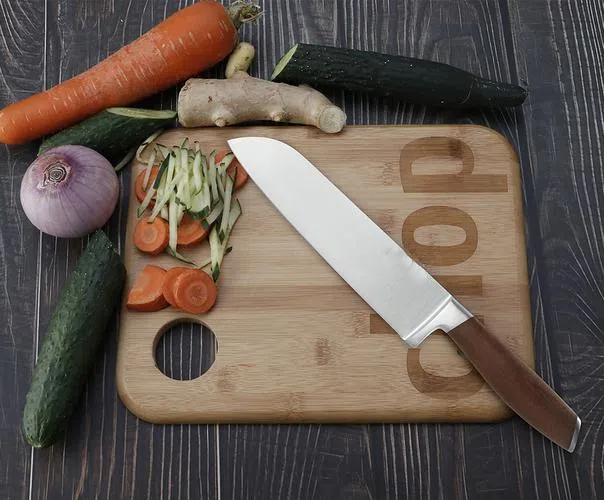
The weight and balance of a knife can affect how it feels in your hand. Some chefs prefer heavier knives for their cutting power, while others prefer lighter knives for agility. It's essential to hold the knife and see how it feels before making a purchase.
Kitchen knife sets can vary significantly in price. While it might be tempting to go for the cheapest option, investing in a quality set can save you money in the long run. Consider your budget and how often you cook when making your decision.
For beginners or those on a budget, entry-level knife sets can provide good quality without breaking the bank. These sets typically include essential knives and are made from stainless steel.
Mid-range sets often feature better materials and craftsmanship. They may include additional knives and accessories, such as a knife block or sharpening tools. These sets are ideal for home cooks who want a balance of quality and affordability.
High-end knife sets are crafted from premium materials and often include handcrafted knives. These sets are designed for serious chefs and can be a significant investment. They typically come with a lifetime warranty and require proper care to maintain their quality.
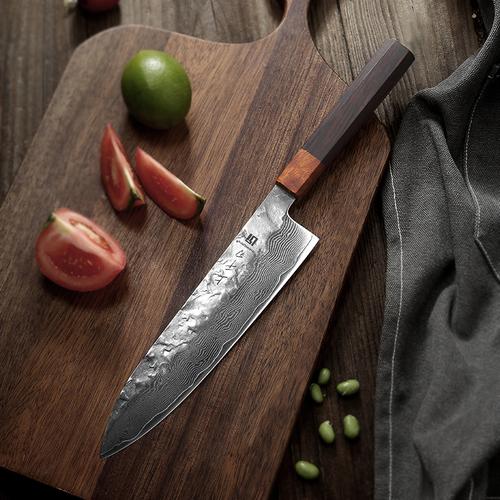
Proper cleaning is essential for maintaining your knives. Always wash your knives by hand with warm, soapy water and dry them immediately. Avoid putting them in the dishwasher, as the heat and moisture can damage the blades and handles.
Keeping your knives sharp is crucial for performance. You can use a whetstone, honing rod, or electric sharpener to maintain the edge. Regular honing can help keep the blade aligned, while sharpening should be done less frequently.
How you store your knives can affect their longevity. Consider using a knife block, magnetic strip, or protective sheaths to keep them safe and organized. Avoid storing knives loose in a drawer, as this can dull the blades and cause accidents.
Choosing the right kitchen knife set is an important decision for any home cook. By understanding the different types of knives, considering the materials and design, and properly caring for your knives, you can enhance your cooking experience and ensure that your knives last for years to come.
1. What is the best material for kitchen knives?
- Stainless steel is popular for its durability, while high carbon steel is favored for its sharpness.
2. How often should I sharpen my kitchen knives?
- It depends on usage, but honing should be done regularly, while sharpening can be done every few months.
3. Can I put my kitchen knives in the dishwasher?
- No, it is best to wash them by hand to prevent damage.
4. What is the most important knife to have in a kitchen?
- A chef's knife is considered the most versatile and essential knife.
5. How should I store my kitchen knives?
- Use a knife block, magnetic strip, or protective sheaths to keep them safe and organized.


