
- Home
- Products
- About Us
- OEM/ODM
- VR
- Resources
- Contacts


Views: 209 Author: Insight Publish Time: 2025-12-09 Origin: Insight


Content Menu
● H2: The Importance of Quality in Kitchen Knives
>> H3: Selecting the Right Materials
● H2: The Manufacturing Process
>> H3: Grinding and Sharpening
>>> H4: Polishing
● H2: Packaging and Distribution
>> H3: Designing the Packaging
● H2: The Role of Technology in Knife Manufacturing
The manufacturing of kitchen knife sets is a fascinating process that combines traditional craftsmanship with modern technology. This article will explore the various stages involved in the production of kitchen knives, from the selection of materials to the final packaging of the knife sets. We will delve into the intricate details of each step, highlighting the skills and technologies that contribute to the creation of high-quality kitchen knives.

Kitchen knives are essential tools in any kitchen, and their quality can significantly impact cooking efficiency and safety. A well-made knife not only enhances the cooking experience but also ensures that food is prepared safely and effectively. Therefore, manufacturers prioritize quality in every aspect of knife production.
The first step in manufacturing kitchen knife sets is selecting the right materials. The primary components of a kitchen knife include the blade, handle, and bolster. Each of these parts requires specific materials to ensure durability, functionality, and aesthetic appeal.
The blade is the most critical part of the knife, and it is typically made from high-carbon stainless steel, which offers a good balance of hardness and corrosion resistance. Some manufacturers also use ceramic or Damascus steel for their unique properties. High-carbon stainless steel is favored for its ability to hold a sharp edge while being resistant to rust and staining.
The handle of a kitchen knife can be made from various materials, including wood, plastic, and metal. Each material has its advantages and disadvantages. Wooden handles provide a classic look and feel but may require more maintenance. Plastic handles are lightweight and easy to clean, while metal handles offer durability and a modern aesthetic.
The bolster is the thick junction between the blade and the handle, providing balance and safety. It is usually made from the same material as the blade. The tang, which is the part of the blade that extends into the handle, is crucial for the knife's strength and stability. Full tang knives, where the blade extends the entire length of the handle, are often considered superior in quality.
Once the materials are selected, the manufacturing process begins. This process can be broken down into several key stages, each requiring precision and skill.
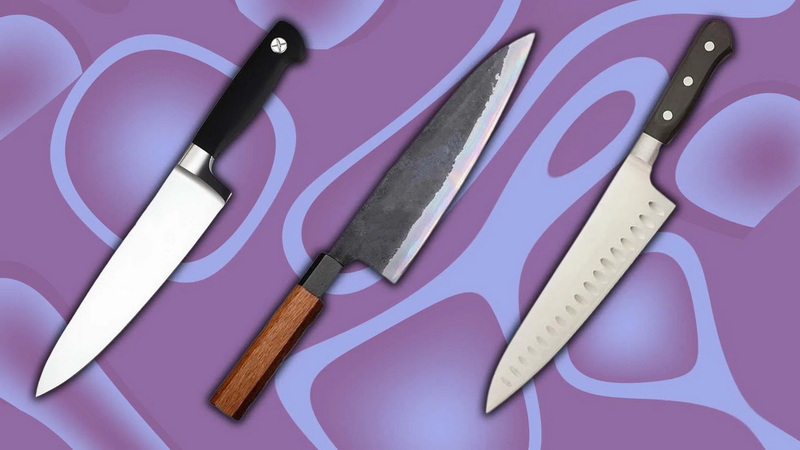
The first major step in the manufacturing process is forging the blade. This involves heating the steel to a high temperature and then shaping it using hammers or presses. Forging creates a strong and durable blade with a fine grain structure, which enhances its performance.
After forging, the blade undergoes heat treatment, which involves heating and cooling the steel to achieve the desired hardness. This process is critical, as it determines the knife's ability to hold an edge. The blade is heated to a specific temperature and then rapidly cooled, often in oil or water, to harden the steel.
Once the blade is forged and heat-treated, it is ground to shape. This process involves using grinding wheels to refine the blade's edge and create the desired bevel. The grinding process is crucial for achieving a sharp edge and a smooth finish.
After grinding, the blade is polished to remove any rough edges and to enhance its appearance. Polishing can be done using various methods, including buffing wheels and polishing compounds. A well-polished blade not only looks appealing but also helps prevent food from sticking during use.
With the blade prepared, the next step is to attach the handle. This process varies depending on the materials used. For wooden handles, the wood is often shaped and then attached using adhesives and rivets. For plastic handles, the blade is inserted into a molded handle, which is then secured.
Quality control is an essential part of the manufacturing process. Each knife is inspected for defects, and tests are conducted to ensure that the blade is sharp and the handle is securely attached. This step is crucial for maintaining the brand's reputation and ensuring customer satisfaction.

Once the knives are manufactured and pass quality control, they are packaged for distribution. Packaging is not only about protecting the knives during transport but also about marketing the product.
The packaging design is an important aspect of the product. It should be attractive and informative, providing potential customers with details about the knife set's features and benefits. Many manufacturers use eco-friendly materials for packaging to appeal to environmentally conscious consumers.
After packaging, the knife sets are distributed to retailers and online platforms. Manufacturers often work with distributors to reach a wider audience. The distribution process involves logistics planning to ensure that the products arrive at their destinations safely and on time.
Modern technology plays a significant role in the manufacturing of kitchen knives. Automation and advanced machinery have improved efficiency and precision in the production process.
Computer Numerical Control (CNC) machining is a technology that allows for precise cutting and shaping of materials. Many manufacturers use CNC machines to create knife blades with exact specifications, reducing waste and improving consistency.
Laser cutting technology is also used in knife manufacturing. It allows for intricate designs and patterns to be cut into the blade or handle, adding a unique touch to the final product. Laser cutting is known for its accuracy and ability to create complex shapes.
The manufacturing of kitchen knife sets is a complex process that requires a combination of traditional craftsmanship and modern technology. From selecting high-quality materials to the final packaging, each step is crucial in creating a product that meets the needs of consumers. As technology continues to evolve, the knife manufacturing industry will likely see further innovations that enhance quality and efficiency.
1. What materials are used for kitchen knife blades?
- Kitchen knife blades are typically made from high-carbon stainless steel, ceramic, or Damascus steel.
2. How is the sharpness of a knife achieved?
- Sharpness is achieved through the grinding and sharpening process, where the blade is shaped and honed to create a fine edge.
3. What is the importance of the tang in a knife?
- The tang provides strength and stability to the knife, with full tang knives being considered superior in quality.
4. How does heat treatment affect knife performance?
- Heat treatment hardens the steel, allowing the knife to hold an edge better and improving its overall performance.
5. What role does technology play in knife manufacturing?
- Technology, such as CNC machining and laser cutting, enhances precision, efficiency, and the ability to create intricate designs in knife manufacturing.


