
- Home
- Products
- About Us
- OEM/ODM
- VR
- Resources
- Contacts


Views: 238 Author: Insight Publish Time: 2026-01-13 Origin: Insight


Content Menu
● Understanding Carving and Slicing Knives
● Key Features of Carving and Slicing Knives
>> Blade Design
● Popular Knives for Carving and Slicing
>> 1. Wüsthof Classic Carving Knife
>> 2. Victorinox Swiss Army Slicing Knife
>> 3. Shun Classic Carving Knife
>> 4. Cangshan D Series Slicing Knife
>> 5. J.A. Henckels International Carving Knife
● Techniques for Carving and Slicing Meat
● Maintaining Your Carving and Slicing Knives
>> Safe Storage
When it comes to preparing and serving cooked meats, the right knife can make all the difference. Carving and slicing meats require precision and skill, and having the appropriate tools is essential for achieving the best results. In this article, we will explore the types of knives used for carving and slicing cooked meats, their features, and how to use them effectively. We will also discuss the importance of knife maintenance and provide tips for selecting the right knife for your needs.

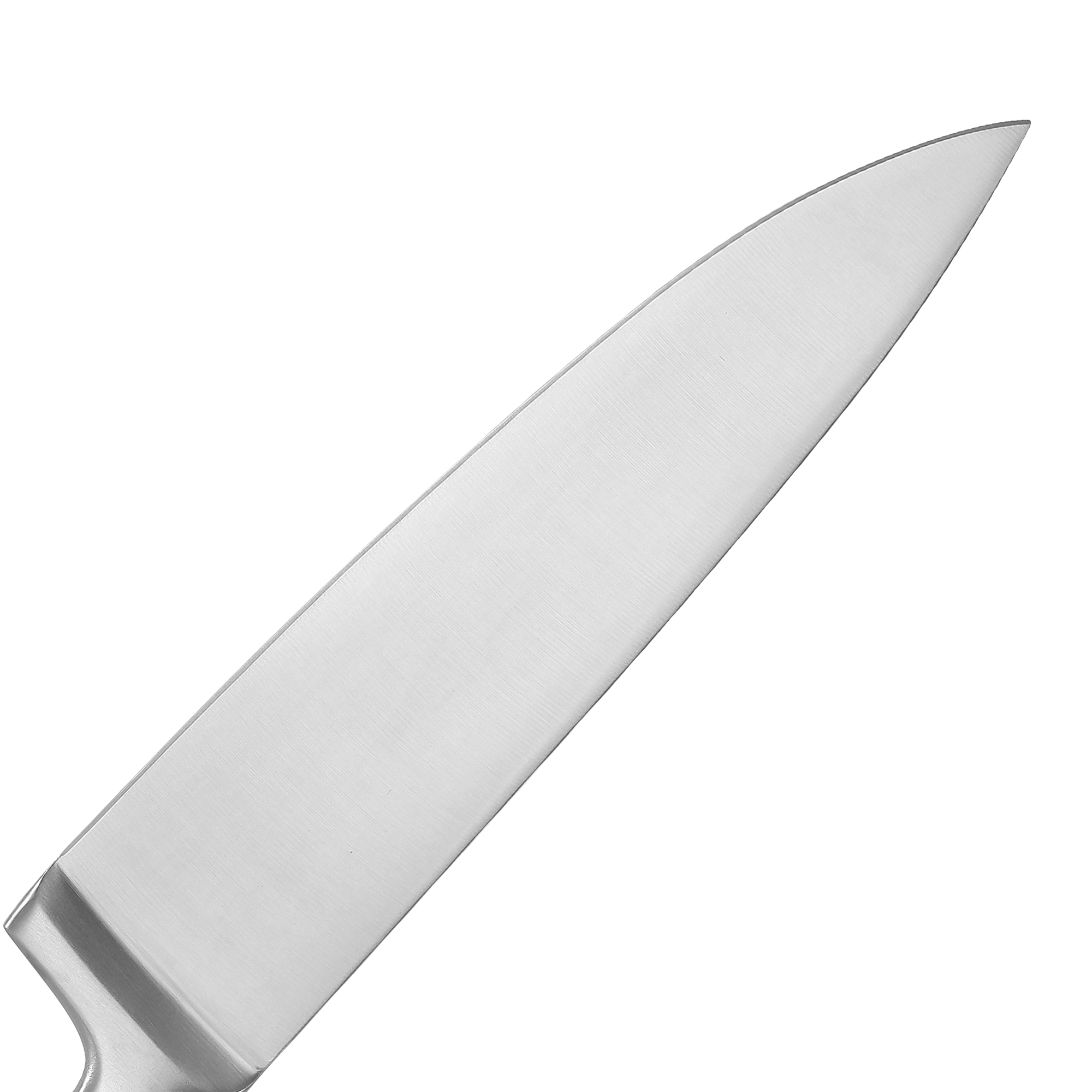
A carving knife is a long, thin knife specifically designed for slicing cooked meats. It typically has a blade that ranges from 8 to 14 inches in length, allowing for long, smooth cuts. The blade is usually tapered, which helps in achieving thin slices without tearing the meat fibers. Carving knives are ideal for larger cuts of meat, such as roasts, turkeys, and hams.
While the terms "carving knife"and "slicing knife" are often used interchangeably, there are subtle differences between the two. A slicing knife is generally shorter and has a more flexible blade compared to a carving knife. Slicing knives are designed for cutting cooked meats into thin, even slices, making them perfect for items like brisket or pork loin. The flexibility of the blade allows for better maneuverability around bones and joints.
When selecting a carving or slicing knife, there are several key features to consider:
The material of the blade is crucial for performance and durability. High-carbon stainless steel is a popular choice due to its ability to hold a sharp edge and resist rust. Some knives are made from ceramic, which is lightweight and retains sharpness well, but can be more brittle and prone to chipping.
The design of the blade can affect how well it performs. A tapered blade allows for smooth slicing, while a granton edge (a series of small indentations along the blade) can help reduce friction and prevent meat from sticking to the blade. This design is particularly useful when slicing through fatty or moist meats.
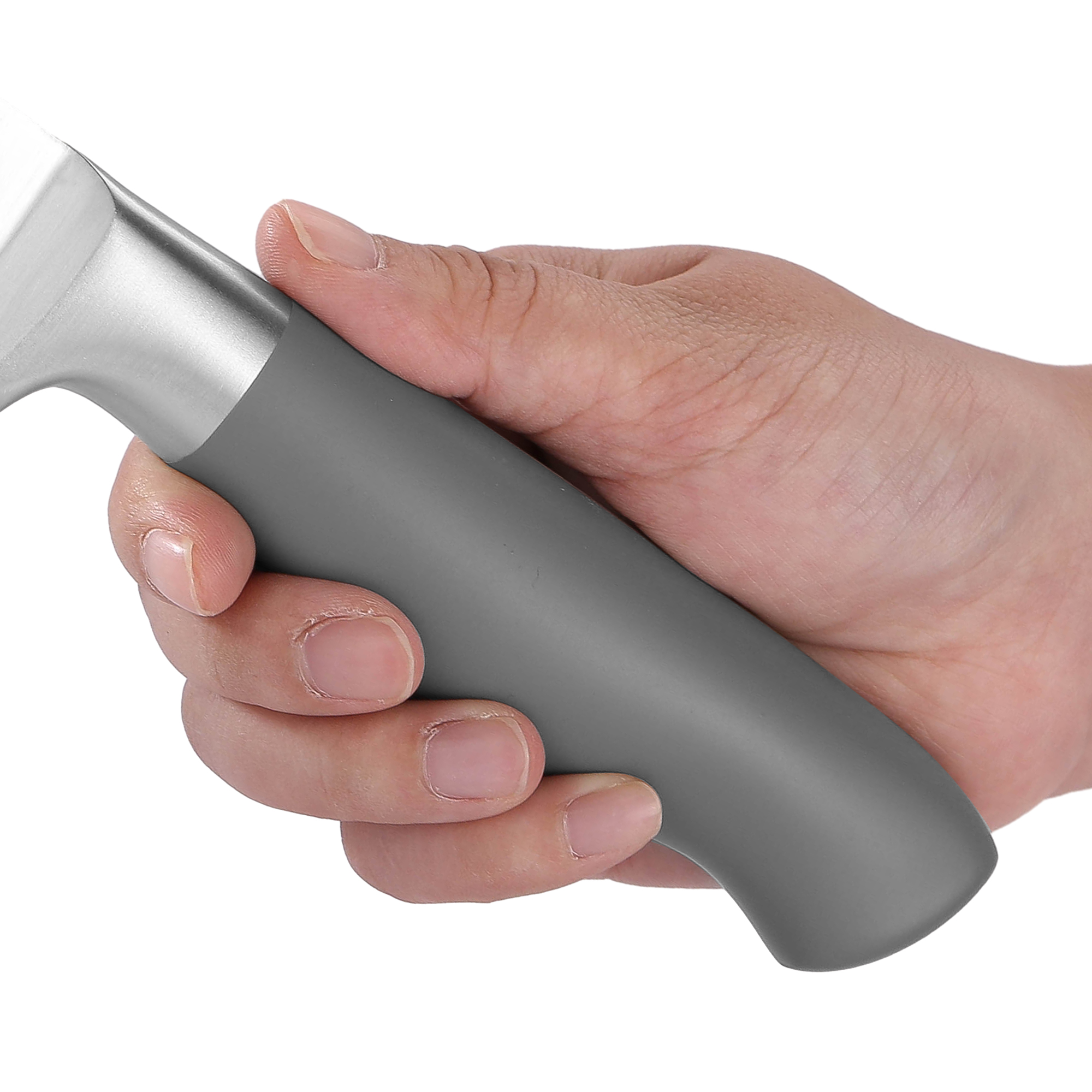
The handle of the knife should feel comfortable and secure in your hand. Look for ergonomic designs that provide a good grip, especially if you plan to use the knife for extended periods. Materials like wood, plastic, and stainless steel each have their own feel and benefits.
The length and weight of the knife can influence how easy it is to use. A longer blade allows for longer cuts, while a lighter knife can be easier to maneuver. However, some cooks prefer the heft of a heavier knife for better control.
The Wüsthof Classic Carving Knife is a favorite among professional chefs and home cooks alike. With a blade length of 9 inches, it features a high-carbon stainless steel blade that is both durable and sharp. The ergonomic handle provides comfort and control, making it easy to carve through large cuts of meat.
Victorinox is known for its high-quality kitchen tools, and their Slicing Knife is no exception. This knife features a 10.25-inch blade made from high-carbon stainless steel, designed for precision slicing. The lightweight design and comfortable handle make it a great choice for home cooks.
The Shun Classic Carving Knife combines traditional Japanese craftsmanship with modern design. Its 9-inch VG-MAX steel blade is known for its sharpness and edge retention. The D-shaped handle is made from Pakkawood, providing a comfortable grip and beautiful aesthetics.
Cangshan's D Series Slicing Knife features a 10-inch blade made from high-alloy stainless steel. The unique design of the handle provides a secure grip, and the blade's granton edge helps prevent sticking. This knife is perfect for slicing through larger cuts of meat with ease.
The J.A. Henckels International Carving Knife is a reliable option for home cooks. With a 9-inch blade made from high-quality stainless steel, it offers excellent performance and durability. The traditional triple-riveted handle ensures comfort and control while carving.
Before you begin carving or slicing, it is essential to let the meat rest after cooking. This allows the juices to redistribute, resulting in a more flavorful and tender cut. Resting time can vary depending on the size of the meat, but generally, 15 to 30 minutes is sufficient.
When carving a roast or turkey, follow these steps:
1. Position the Meat: Place the meat on a cutting board with the bone facing you (if applicable). This will give you better access to the meat.
2. Identify the Grain: Look for the direction of the meat fibers (the grain). Slicing against the grain will result in more tender slices.
3. Make the First Cut: Start at one end of the meat and make a clean cut down to the bone (if applicable) to create a starting point.
4. Slice Evenly: Use long, smooth strokes to slice the meat, applying gentle pressure. Aim for slices that are about a quarter-inch thick.
5. Serve: Arrange the slices on a platter and serve immediately.
For slicing cooked meats like brisket or pork loin, follow these steps:
1. Rest the Meat: Allow the meat to rest for a few minutes after cooking.
2. Identify the Grain: As with carving, identify the direction of the grain.
3. Use a Slicing Knife: A slicing knife is ideal for this task due to its flexibility.
4. Slice Thinly: Use a gentle sawing motion to slice the meat into thin, even pieces. Aim for slices that are about an eighth to a quarter-inch thick.
5. Serve: Arrange the slices on a plate, and consider garnishing with herbs or sauces for presentation.
To ensure the longevity of your carving and slicing knives, proper cleaning and care are essential. Always hand wash your knives with warm, soapy water and dry them immediately. Avoid putting them in the dishwasher, as the heat and moisture can damage the blades and handles.
Regular sharpening is crucial for maintaining the performance of your knives. Invest in a good quality sharpening stone or honing rod, and learn the proper techniques to keep your blades sharp. A sharp knife is not only safer but also more effective for carving and slicing.
Store your knives in a way that protects the blades and prevents accidents. Knife blocks, magnetic strips, or sheaths are all excellent options. Avoid tossing knives into drawers, as this can dull the blades and pose a safety risk.
Choosing the right knife for carving and slicing cooked meats is essential for any home cook. A good carving or slicing knife can enhance your cooking experience, improve your efficiency, and ensure that you achieve the best results. Whether you opt for a classic brand like Wüsthof or a modern design from Cangshan, investing in a quality knife will pay off in the long run.
1. What is the difference between a carving knife and a slicing knife?
A carving knife is typically longer and designed for larger cuts of meat, while a slicing knife is shorter and more flexible, ideal for thin slices.
2. How do I know if my knife is sharp enough?
A sharp knife should easily slice through paper or vegetables without much pressure. If it struggles, it may need sharpening.
3. Can I use a chef's knife for carving?
While a chef's knife can be used for carving, a dedicated carving knife is designed for better precision and control.
4. What is the best way to sharpen my knives?
Using a sharpening stone or honing rod is recommended. Follow the manufacturer's instructions for the best results.
5. How should I store my carving and slicing knives?
Store your knives in a knife block, on a magnetic strip, or in sheaths to protect the blades and ensure safety.


