
- Home
- Products
- About Us
- OEM/ODM
- VR
- Resources
- Contacts


Views: 255 Author: Insight Publish Time: 2026-01-26 Origin: Insight


Content Menu
● The Risks of Using a Rusty Knife
>> Health Risks
● When to Replace a Rusty Knife
>> Signs of Irreparable Damage
>> Investing in Quality Knives
Cooking is an art that requires the right tools, and one of the most essential tools in any kitchen is a knife. However, what happens when that knife becomes rusty? This article explores the implications of using a rusty knife in cooking, the health risks involved, and how to maintain your kitchen knives properly.
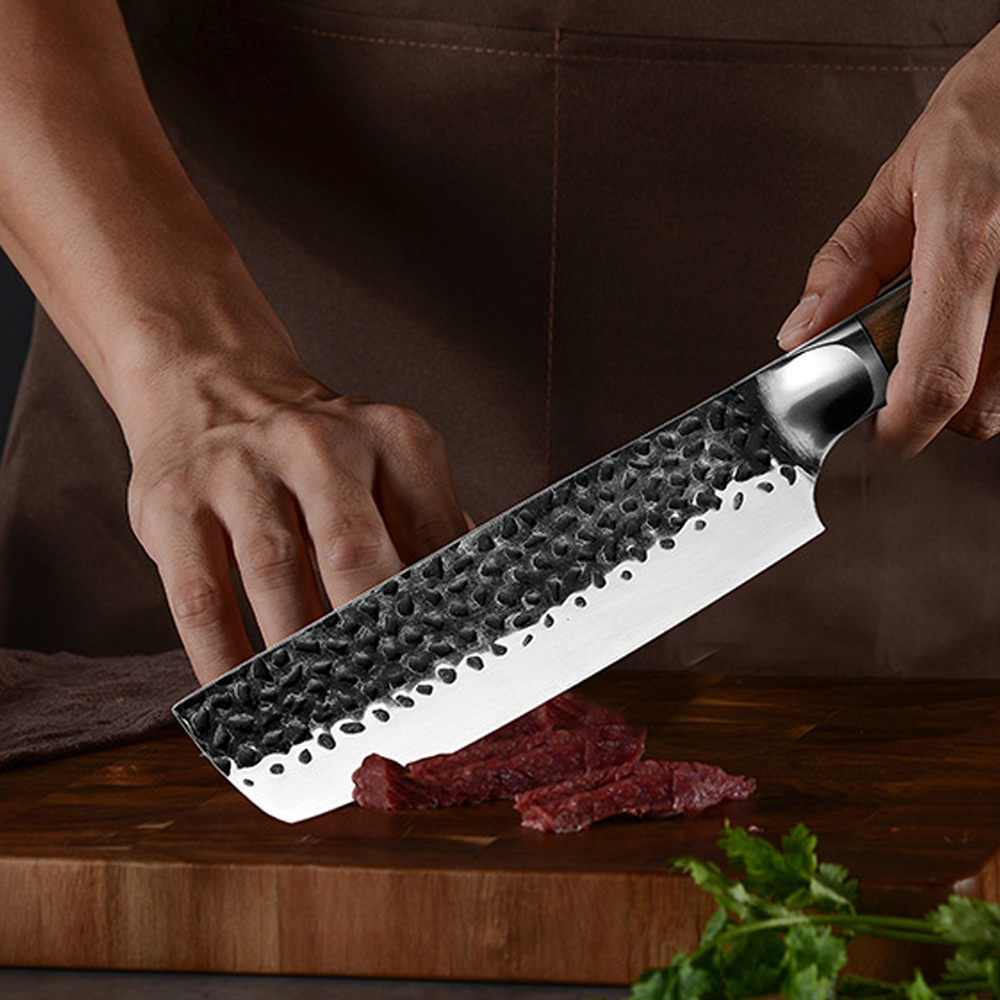
Rust is a type of corrosion that occurs when iron or its alloys, such as steel, are exposed to moisture and oxygen over time. This chemical reaction leads to the formation of iron oxide, which appears as a reddish-brown flaky substance on the surface of the metal. Rust not only affects the appearance of the knife but can also compromise its structural integrity.
Rust forms when iron is exposed to water and air. In a kitchen environment, knives can come into contact with moisture from washing, food preparation, or even humidity in the air. If knives are not dried properly after washing, rust can begin to develop. Additionally, storing knives in damp environments can accelerate the rusting process.
Using a rusty knife can pose several health risks. The most significant concern is the potential for bacterial contamination. Rust itself is not harmful, but it can harbor bacteria that may lead to foodborne illnesses. When cutting food with a rusty knife, there is a risk of transferring these bacteria to the food, which can cause serious health issues.
A rusty knife does not perform as well as a well-maintained one. The rust can create a rough surface that makes cutting more difficult and less precise. This can lead to uneven cuts and a frustrating cooking experience. Additionally, a rusty knife may be more prone to breaking or chipping, which can be dangerous while cooking.
If you find yourself with a rusty knife, the first step is to clean it. Start by rinsing the knife under warm water to remove any loose debris. Use a soft cloth or sponge to wipe down the blade, being careful not to scratch the surface.
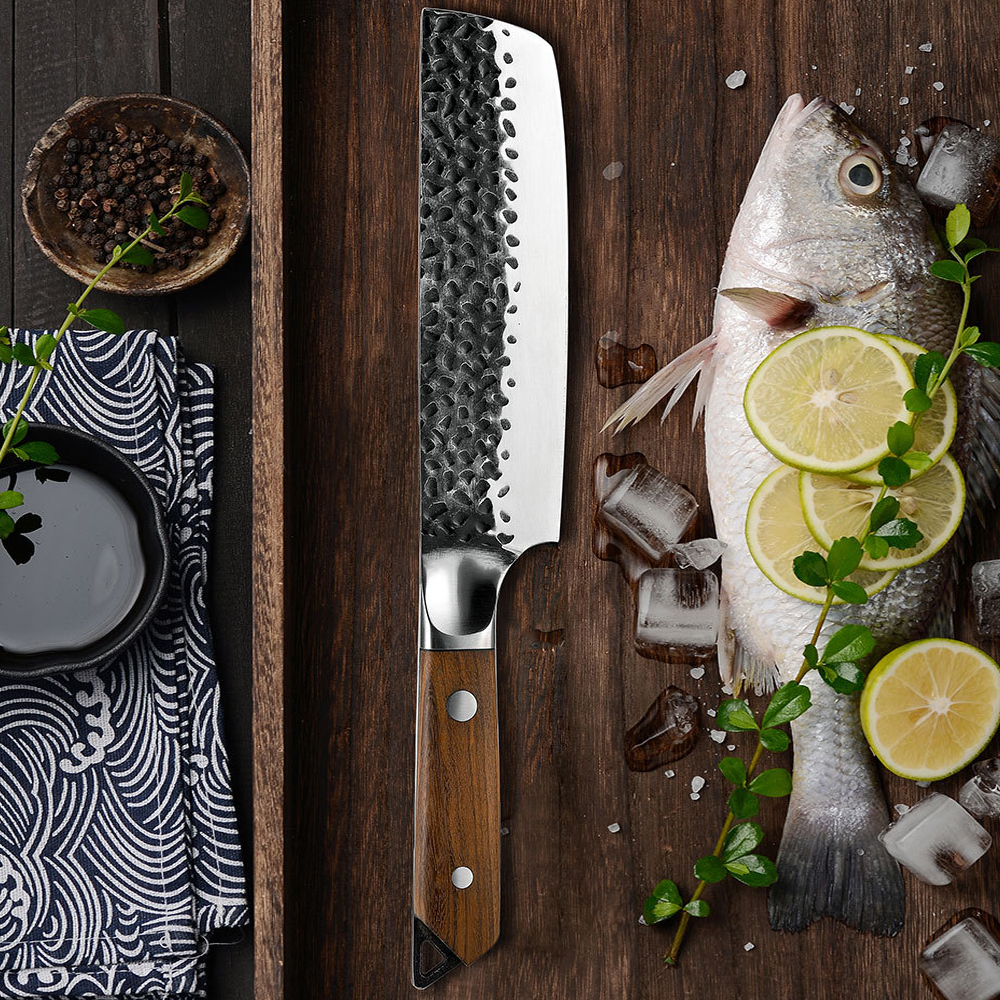
To effectively remove rust, you can use several methods. One common approach is to use a mixture of baking soda and water to create a paste. Apply the paste to the rusty areas and let it sit for a few minutes before scrubbing with a soft brush or cloth. Another option is to use white vinegar, which can dissolve rust. Soak the knife in vinegar for a few hours, then scrub the rust away.
After removing the rust, rinse the knife thoroughly under warm water to remove any cleaning agents. Dry the knife immediately with a clean towel to prevent further rusting. It is crucial to ensure that the knife is completely dry before storing it.
One of the best ways to prevent rust is to store knives properly. Avoid leaving knives in damp environments, such as a sink or a wet dish rack. Instead, store them in a dry place, such as a knife block or a magnetic strip. This will help keep them dry and reduce the risk of rust formation.
Regular maintenance is key to keeping your knives in good condition. After each use, wash and dry your knives thoroughly. Additionally, consider applying a thin layer of mineral oil to the blade to create a protective barrier against moisture.
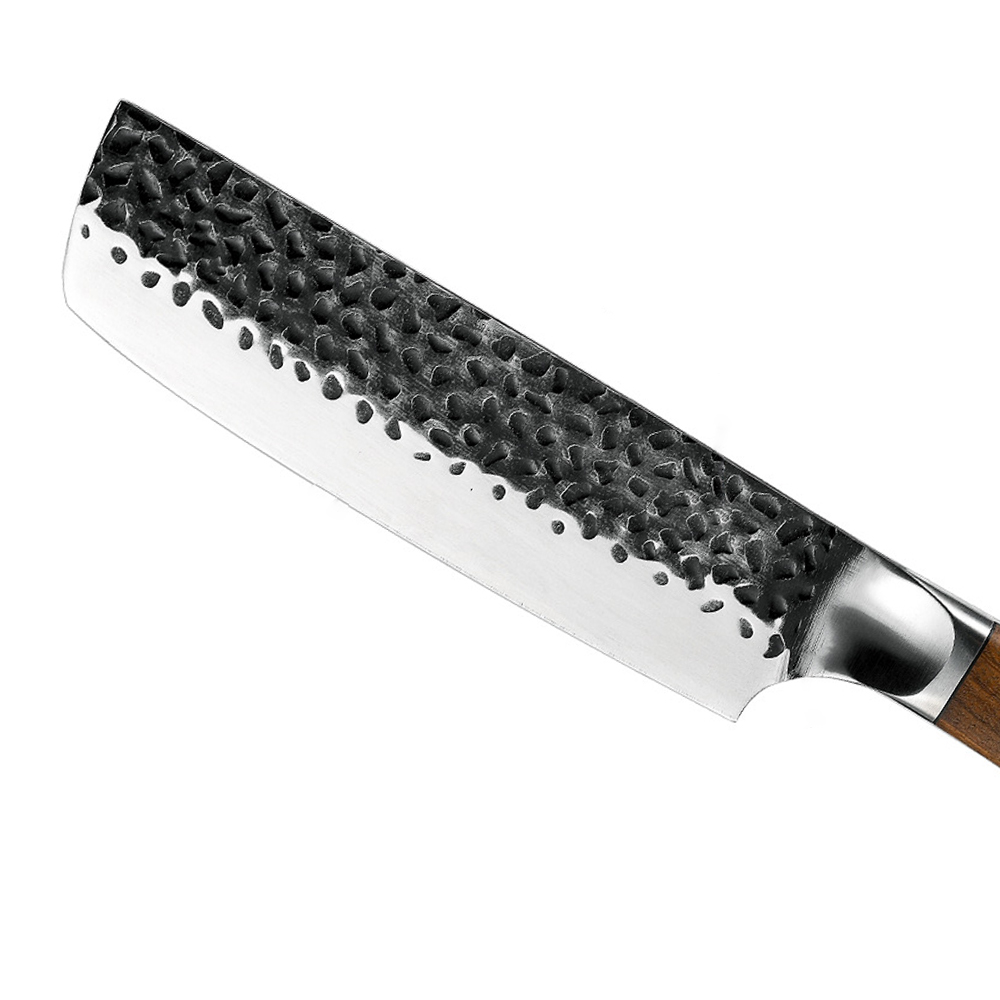
When purchasing knives, consider choosing those made from stainless steel, which is more resistant to rust than carbon steel. While stainless steel knives can still rust if not cared for properly, they are generally more durable and require less maintenance.
If a knife is heavily rusted and cleaning does not restore its functionality, it may be time to replace it. Signs of irreparable damage include deep pitting, cracks, or a blade that no longer holds an edge. Using a damaged knife can be dangerous, so it is essential to assess the condition of your knives regularly.
When replacing a rusty knife, consider investing in high-quality knives that will last longer and require less maintenance. Look for reputable brands that offer warranties and have a good reputation for durability.
In conclusion, while it is technically possible to cook with a rusty knife, it is not advisable due to the health risks and compromised performance. Proper care and maintenance of kitchen knives are essential to ensure they remain safe and effective tools for cooking. By understanding rust, cleaning techniques, and prevention methods, you can keep your knives in excellent condition and enjoy a safer cooking experience.
1. Is it safe to use a rusty knife?
- No, using a rusty knife can pose health risks due to potential bacterial contamination.
2. How can I remove rust from my knife?
- You can use a baking soda paste or soak the knife in white vinegar to remove rust.
3. What is the best way to store knives to prevent rust?
- Store knives in a dry place, such as a knife block or magnetic strip, and avoid damp environments.
4. When should I replace a rusty knife?
- Replace a knife if it shows signs of irreparable damage, such as deep pitting or cracks.
5. Are stainless steel knives better than carbon steel knives?
- Yes, stainless steel knives are more resistant to rust and generally require less maintenance than carbon steel knives.


