
- Home
- Products
- About Us
- OEM/ODM
- VR
- Resources
- Contacts


Views: 216 Author: Insight Publish Time: 2025-12-19 Origin: Insight


Content Menu
● Understanding Kitchen Knives
>>> Chef's Knife
>>> Paring Knife
>>> Bread Knife
>>> Utility Knife
>>> Santoku Knife
>> Price Range
>> Edge Type
● Maintaining Your Kitchen Knives
>> Safe Storage
When it comes to cooking, having the right tools can significantly enhance your culinary experience. Among these tools, a good kitchen knife set is essential. A quality knife set not only improves efficiency in food preparation but also ensures safety and precision. In this article, we will explore what to look for in a kitchen knife set, including the types of knives, materials, design, and maintenance tips.

Kitchen knives are fundamental tools in any kitchen. They are used for a variety of tasks, from chopping vegetables to slicing meat. The right knife can make food preparation faster and more enjoyable. Understanding the different types of knives and their uses is crucial when selecting a knife set.
A well-rounded kitchen knife set typically includes several types of knives, each designed for specific tasks. Here are some of the most common types:
The chef's knife is often considered the most important knife in the kitchen. It is versatile and can be used for chopping, slicing, and dicing a wide range of ingredients. A good chef's knife usually has a blade length of 8 to 10 inches, providing a balance between control and cutting power.
A paring knife is a small knife with a blade length of about 3 to 4 inches. It is ideal for intricate tasks such as peeling fruits and vegetables, deveining shrimp, or making precise cuts. Its small size allows for greater control, making it a favorite among chefs for detailed work.
A bread knife features a serrated edge that makes it easy to slice through crusty loaves without crushing the soft interior. The serrations grip the bread, allowing for clean cuts. A typical bread knife is around 8 to 10 inches long.
The utility knife is a mid-sized knife that falls between a chef's knife and a paring knife. It is versatile and can be used for a variety of tasks, such as slicing sandwiches or cutting larger fruits and vegetables. Its blade length is usually around 5 to 7 inches.
Originating from Japan, the Santoku knife is similar to a chef's knife but has a shorter, wider blade. It is designed for slicing, dicing, and mincing. The flat edge allows for a different cutting technique, and many Santoku knives feature hollowed-out areas on the blade to reduce friction and prevent food from sticking.
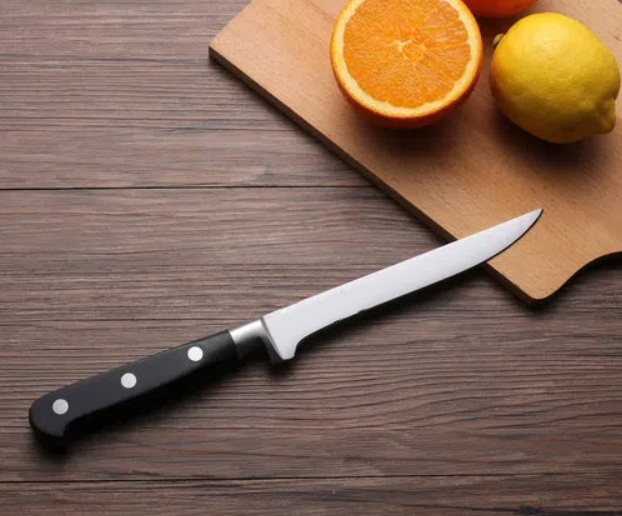
When selecting a kitchen knife set, there are several key features to consider to ensure you make the best choice for your cooking needs.
The material of the knife blades significantly affects their performance and durability. Common materials include:
- Stainless Steel: Known for its resistance to rust and corrosion, stainless steel is a popular choice for kitchen knives. It is easy to maintain and offers good sharpness retention.
- High Carbon Steel: This material is known for its ability to hold a sharp edge longer than stainless steel. However, it requires more maintenance to prevent rusting.
- Ceramic: Ceramic knives are lightweight and maintain their sharpness for a long time. However, they can be brittle and are not suitable for cutting through bones or hard materials.
The handle of a knife is just as important as the blade. A comfortable handle allows for better control and reduces fatigue during extended use. Look for handles made from materials such as wood, plastic, or composite materials. The design should fit comfortably in your hand, and the weight should feel balanced.
Consider what types of knives you need in your set. A basic set might include a chef's knife, paring knife, and bread knife. More comprehensive sets may include additional knives like a utility knife, boning knife, and steak knives. Think about your cooking habits and choose a set that meets your needs.
Some brands are known for their quality and craftsmanship. Researching reputable brands can help you find a knife set that will last for years. Look for reviews and recommendations from other cooks to gauge the performance of different brands.
Kitchen knife sets can vary widely in price. While it may be tempting to go for the cheapest option, investing in a quality set can save you money in the long run. A good knife set will last for years and perform better than lower-quality alternatives. Set a budget that allows for a balance between quality and affordability.

The weight and balance of a knife are crucial for comfort and control. A well-balanced knife feels comfortable in your hand and allows for precise cutting. Heavier knives can provide more cutting power, while lighter knives offer more control. It is essential to choose a weight that feels comfortable for you.
Knives come with different edge types, including straight edges and serrated edges. Straight edges are ideal for clean cuts, while serrated edges are better for slicing through crusty bread or soft fruits. Consider the types of food you prepare most often and choose knives with the appropriate edge types.
Different knives require different levels of maintenance. High carbon steel knives, for example, need regular oiling to prevent rust, while stainless steel knives are more resistant to corrosion. Consider how much time you are willing to invest in maintaining your knives and choose accordingly.
Proper storage is essential for maintaining the quality of your knives. Knife blocks, magnetic strips, and sheaths are excellent options for safe storage. Avoid tossing knives into a drawer, as this can dull the blades and pose safety risks. Choose a storage solution that fits your kitchen space and keeps your knives protected.
Once you have selected a good kitchen knife set, it is essential to maintain them properly to ensure their longevity and performance.
Keeping your knives sharp is crucial for safe and efficient cutting. Dull knives require more force, increasing the risk of accidents. Invest in a good sharpening tool, such as a whetstone or a honing rod, and sharpen your knives regularly.
After each use, wash your knives by hand with warm, soapy water. Avoid putting them in the dishwasher, as the heat and moisture can damage the blades and handles. Dry them immediately to prevent rusting.
Store your knives in a way that protects the blades and prevents accidents. Knife blocks, magnetic strips, or sheaths are excellent options for safe storage. Avoid tossing them in a drawer where they can get damaged or cause injury.
Choosing the right kitchen knife set is an important decision for any home cook. By understanding the different types of knives, key features to consider, and maintenance tips, you can select a set that meets your cooking needs and enhances your culinary experience. Remember that quality matters, and taking care of your knives will ensure they serve you well for years to come.
1. What is the best material for kitchen knife blades?
- Stainless steel is popular for its durability and resistance to rust, while high carbon steel holds a sharp edge longer but requires more maintenance.
2. How often should I sharpen my kitchen knives?
- It depends on usage, but generally, you should sharpen your knives every few months or whenever they feel dull.
3. Can I put my kitchen knives in the dishwasher?
- No, it is best to wash kitchen knives by hand to prevent damage from heat and moisture.
4. What types of knives should be included in a basic kitchen knife set?
- A basic set should include a chef's knife, paring knife, and bread knife.
5. How should I store my kitchen knives?
- Store them in a knife block, on a magnetic strip, or in sheaths to protect the blades and prevent accidents.


