
- Home
- Products
- About Us
- OEM/ODM
- VR
- Resources
- Contacts


Views: 255 Author: Insight Publish Time: 2026-01-02 Origin: Insight


Content Menu
● Understanding the Utility Knife
>> The Anatomy of a Utility Knife
● Uses of Utility Knives in Cooking
>> Slicing Fruits and Vegetables
>> Cutting Meat
● Advantages of Using a Utility Knife
>> Versatility
>> Ease of Use
● Choosing the Right Utility Knife
>> Blade Type
>> Blade Length
>> Sharpening
>> Safe Storage
Utility knives are versatile tools that have found their place in kitchens around the world. While they are often associated with general-purpose cutting tasks, their specific applications in cooking can greatly enhance the efficiency and enjoyment of food preparation. In this article, we will explore the various uses of utility knives in cooking, their advantages, and how to choose the right one for your kitchen needs.

A utility knife is a multi-functional cutting tool that typically features a retractable blade. It is designed for a variety of tasks, making it an essential tool in both professional and home kitchens. The blade is usually made of stainless steel, which provides durability and resistance to corrosion. The handle is often ergonomically designed for comfort and ease of use.
A utility knife consists of several key components:
- Blade: The sharp edge used for cutting. It can be straight or serrated, depending on the intended use.
- Handle: The part of the knife that is held during use. It can be made from various materials, including plastic, wood, or metal.
- Retractable Mechanism: Many utility knives feature a mechanism that allows the blade to be extended or retracted for safety and convenience.
Utility knives are incredibly versatile and can be used for a wide range of tasks in the kitchen. Here are some of the most common uses:
One of the primary uses of a utility knife in cooking is slicing fruits and vegetables. The sharp blade allows for clean cuts, making it easy to prepare ingredients for salads, stir-fries, and other dishes. Whether you are slicing tomatoes, cucumbers, or apples, a utility knife can handle the task with precision.
Utility knives can also be used for cutting meat. While they may not replace specialized knives like chef's knives or boning knives, they are effective for tasks such as trimming fat, slicing cooked meats, or portioning raw meat. The versatility of a utility knife makes it a handy tool for various meat preparation tasks.
In the kitchen, utility knives are often used to open packaging. Whether it's cutting through plastic wrap, cardboard boxes, or vacuum-sealed bags, a utility knife can make quick work of these tasks. This is particularly useful when unpacking groceries or preparing ingredients for cooking.
Chopping fresh herbs is another task where a utility knife shines. The sharp blade allows for quick and efficient chopping, making it easy to add fresh flavors to your dishes. Whether you are preparing basil for a pesto or cilantro for a salsa, a utility knife can help you achieve the desired consistency.
For those who enjoy baking, a utility knife can be used to portion dough. When making bread, pastries, or pizza, a utility knife can help you cut the dough into equal pieces. This is especially useful when working with larger batches of dough, ensuring that each piece is uniform in size.
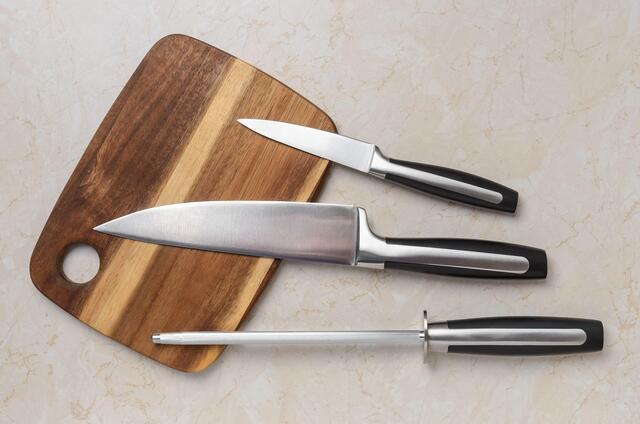
Utility knives can also be used to create garnishes for dishes. Whether you are carving vegetables into decorative shapes or slicing fruits for a beautiful presentation, a utility knife can help you achieve professional-looking results. This adds an artistic touch to your culinary creations.
One of the main advantages of a utility knife is its versatility. It can be used for a wide range of tasks, making it a valuable addition to any kitchen. Instead of having multiple specialized knives, a utility knife can handle many of the same tasks, saving space and money.
Utility knives are designed to be user-friendly. Their lightweight construction and ergonomic handles make them easy to handle, even for those who may not have extensive knife skills. This makes them an excellent choice for both novice cooks and experienced chefs.
Many utility knives come with safety features, such as retractable blades or locking mechanisms. These features help prevent accidental cuts and injuries, making them a safer option for kitchen use. Additionally, the ability to retract the blade when not in use adds an extra layer of safety.
Utility knives are generally more affordable than specialized kitchen knives. This makes them an excellent choice for those who are just starting to build their kitchen tool collection or for those who want a reliable knife without breaking the bank.
When selecting a utility knife for cooking, there are several factors to consider:
Utility knives come with different blade types, including straight and serrated edges. Straight blades are ideal for slicing, while serrated blades are better for cutting through tougher materials, such as crusty bread or fibrous vegetables. Consider what tasks you will primarily use the knife for when choosing the blade type.

The handle of the utility knife should feel comfortable in your hand. Look for knives with ergonomic designs that provide a secure grip. This is especially important if you plan to use the knife for extended periods.
Utility knives come in various blade lengths. A longer blade may be more suitable for larger tasks, while a shorter blade can offer more control for intricate work. Consider your cooking style and the types of tasks you will be performing when selecting the blade length.
Investing in a quality utility knife from a reputable brand can make a significant difference in performance and durability. Look for knives made from high-quality materials that are designed to withstand regular use in the kitchen.
To ensure your utility knife remains in good condition, proper maintenance and care are essential:
After each use, clean the blade and handle with warm, soapy water. Avoid soaking the knife in water, as this can damage the handle and blade. Dry the knife thoroughly before storing it.
Keeping the blade sharp is crucial for optimal performance. Use a sharpening stone or a honing rod to maintain the edge of the blade. Regular sharpening will make cutting tasks easier and safer.
Store your utility knife in a safe place, such as a knife block or a magnetic strip. Avoid leaving it loose in a drawer, as this can lead to accidents and damage to the blade.
Utility knives are invaluable tools in the kitchen, offering versatility, ease of use, and safety. From slicing fruits and vegetables to cutting meat and opening packaging, their applications are numerous. By choosing the right utility knife and maintaining it properly, you can enhance your cooking experience and make food preparation more efficient.
1. Can a utility knife replace a chef's knife?
- While a utility knife is versatile, it cannot fully replace a chef's knife, which is designed for more complex tasks. However, it can handle many basic cutting tasks effectively.
2. Is a serrated blade better than a straight blade for a utility knife?
- It depends on the intended use. Serrated blades are better for cutting through tough materials, while straight blades are ideal for clean slicing.
3. How do I sharpen a utility knife?
- You can sharpen a utility knife using a sharpening stone or honing rod. Regular maintenance will keep the blade sharp and effective.
4. Are utility knives safe for children to use?
- Utility knives can be safe for older children under supervision, but it is essential to teach them proper handling and safety practices.
5. What is the best way to clean a utility knife?
- Clean the knife with warm, soapy water after each use, and dry it thoroughly to prevent rust and damage.


