
- Home
- Products
- About Us
- OEM/ODM
- VR
- Resources
- Contacts


Views: 214 Author: Insight Publish Time: 2025-12-18 Origin: Insight


Content Menu
● Understanding the Importance of a Good Knife Set
>> The Role of Knives in Cooking
>> Chef's Knife
>> Paring Knife
>> Bread Knife
>> Boning Knife
● Factors to Consider When Choosing a Knife Set
● Maintenance and Care of Kitchen Knives
Choosing the right kitchen knife set is essential for anyone who enjoys cooking. A good knife set can make food preparation easier, safer, and more enjoyable. In this article, we will explore the key factors to consider when selecting a kitchen knife set, the different types of knives available, and tips for maintaining your knives.

A kitchen knife set is more than just a collection of blades; it is an investment in your culinary skills. The right knives can enhance your cooking experience, allowing you to prepare meals with precision and ease. A good knife set should include a variety of knives that cater to different tasks, from chopping vegetables to slicing meat.
Knives are fundamental tools in the kitchen. They are used for a wide range of tasks, including:
- Chopping and dicing vegetables
- Slicing meat and fish
- Mincing herbs and garlic
- Peeling fruits and vegetables
Having the right knife for each task can significantly improve your efficiency and the quality of your food.
When selecting a kitchen knife set, it is important to understand the different types of knives available. Each knife serves a specific purpose, and having a variety of knives will allow you to tackle any cooking challenge.
The chef's knife is the most versatile knife in the kitchen. It typically has a broad blade that tapers to a point, making it ideal for chopping, slicing, and dicing. A good chef's knife should feel comfortable in your hand and have a balanced weight.
A paring knife is a small knife used for intricate tasks such as peeling fruits and vegetables or deveining shrimp. Its short blade allows for precision and control, making it an essential tool for any cook.
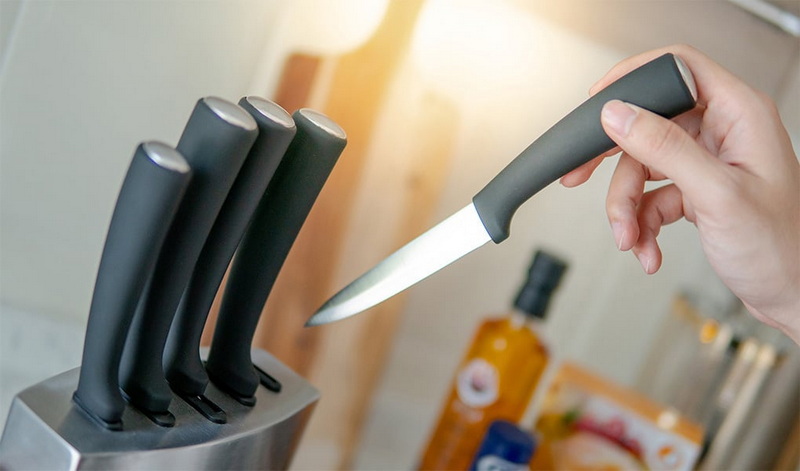
A bread knife features a serrated edge that makes it easy to slice through crusty bread without crushing it. This knife is also useful for cutting cakes and pastries.
The utility knife is a medium-sized knife that can be used for a variety of tasks. It is larger than a paring knife but smaller than a chef's knife, making it a great all-purpose tool for everyday use.
A boning knife has a thin, flexible blade that is designed for removing bones from meat and fish. Its sharp edge allows for precise cuts, making it an essential tool for butchering.
The Santoku knife is a Japanese-style knife that is similar to a chef's knife but has a shorter, wider blade. It is excellent for slicing, dicing, and mincing, and often features a granton edge to prevent food from sticking to the blade.
When selecting a kitchen knife set, there are several factors to consider to ensure you make the right choice.
The material of the knife blades is crucial for performance and durability. Common materials include:
- Stainless Steel: Resistant to rust and corrosion, stainless steel knives are popular for their durability and ease of maintenance.
- High Carbon Steel: These knives are known for their sharpness and edge retention but require more care to prevent rust.
- Ceramic: Ceramic knives are lightweight and maintain their sharpness for a long time, but they can be brittle and prone to chipping.
The handle of the knife should feel comfortable in your hand. Look for ergonomic designs that provide a secure grip. Handles can be made from various materials, including wood, plastic, and metal. Each material has its pros and cons in terms of comfort, durability, and maintenance.
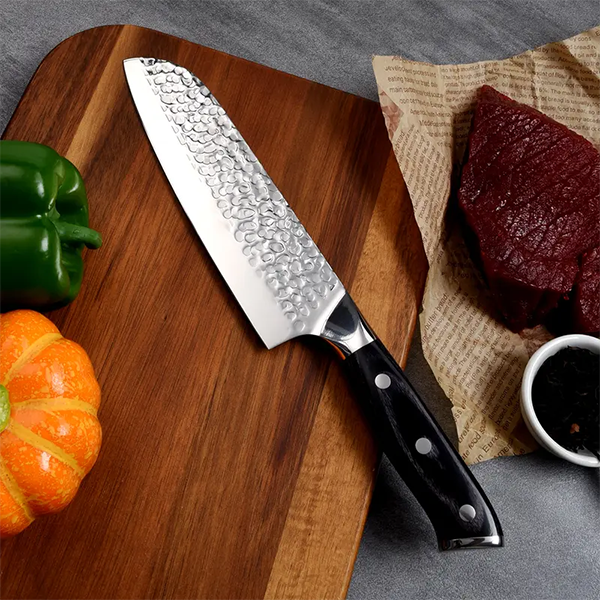
The weight and balance of a knife are important for control and ease of use. A well-balanced knife will feel comfortable and allow for precise cuts. When choosing a knife, hold it in your hand to see how it feels.
Consider the composition of the knife set. A good set should include a variety of knives that cover all your cooking needs. Look for sets that include at least a chef's knife, paring knife, and bread knife. Some sets may also include specialty knives like a boning knife or a Santoku knife.
While it can be tempting to go for the cheapest option, investing in a quality knife set is worth it in the long run. Research reputable brands known for their craftsmanship and durability. A higher price often reflects better materials and construction.
Once you have selected your knife set, proper maintenance is essential to ensure longevity and performance.
Keeping your knives sharp is crucial for safety and efficiency. Dull knives can slip and cause accidents. Invest in a good sharpening tool or consider professional sharpening services.
Always hand wash your knives with mild soap and water. Avoid putting them in the dishwasher, as this can damage the blades and handles. Store your knives in a knife block, magnetic strip, or protective sheaths to prevent damage and keep them organized.
Be mindful of the surfaces you cut on. Use cutting boards made of wood or plastic, as glass or stone surfaces can dull your knives quickly. Avoid using your knives for tasks they are not designed for, such as prying open cans.
Choosing a good kitchen knife set is an important decision for any home cook. By understanding the different types of knives, considering key factors such as material and comfort, and maintaining your knives properly, you can enhance your cooking experience and ensure that your knives last for years to come.
1. What is the most important knife to have in a kitchen?
The chef's knife is considered the most important knife due to its versatility in handling various tasks.
2. How often should I sharpen my kitchen knives?
It is recommended to sharpen your knives every few months, or more frequently if you use them daily.
3. Can I put my kitchen knives in the dishwasher?
No, it is best to hand wash your knives to prevent damage to the blades and handles.
4. What is the best material for kitchen knife blades?
Stainless steel is popular for its durability and low maintenance, while high carbon steel is favored for its sharpness.
5. How should I store my kitchen knives?
Store your knives in a knife block, on a magnetic strip, or in protective sheaths to keep them safe and organized.


