
- Home
- Products
- About Us
- OEM/ODM
- VR
- Resources
- Contacts


Views: 238 Author: Insight Publish Time: 2026-01-02 Origin: Insight


Content Menu
● Understanding the Different Types of Knives
>> Chef's Knife
>> Paring Knife
>> Bread Knife
>> Boning Knife
● Factors to Consider When Choosing a Knife
>> Purpose
>> Size
>> Cleaning
>> Sharpening
>> Storage
Choosing the right knife for cooking is essential for any home chef or professional cook. A good knife can make food preparation easier, safer, and more enjoyable. With so many options available, it can be overwhelming to decide which knife is best suited for your needs. In this article, we will explore the different types of knives, their uses, and how to select the perfect knife for your cooking style.
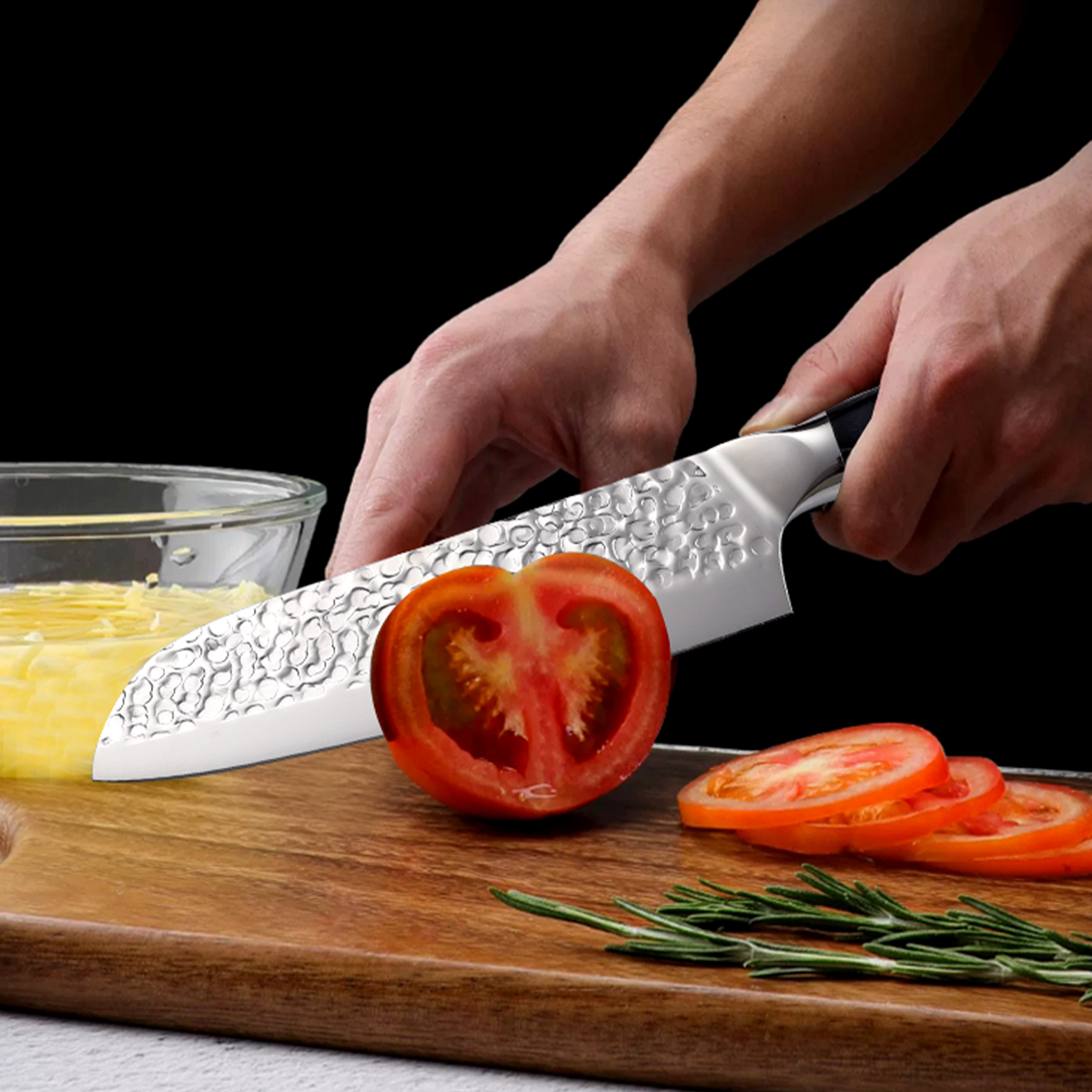
The chef's knife is often considered the most versatile knife in the kitchen. It typically has a broad blade that tapers to a point, allowing for a rocking motion when chopping. This knife is ideal for slicing, dicing, and mincing a variety of ingredients, including vegetables, fruits, and meats. A good chef's knife is usually between six to twelve inches in length.
A paring knife is a small knife with a short blade, typically around three to four inches long. It is perfect for intricate tasks such as peeling fruits and vegetables, deveining shrimp, or making precise cuts. The paring knife is an essential tool for any cook who needs to perform detailed work in the kitchen.
The utility knife is a versatile tool that can be used for a variety of tasks. It is larger than a paring knife but smaller than a chef's knife, making it suitable for slicing sandwiches, cutting fruits, and performing general cutting tasks. The utility knife is a great addition to any kitchen, especially for those who want a multi-purpose tool.
A bread knife features a long, serrated blade designed specifically for slicing bread without crushing it. The serrated edge allows the knife to grip the crust while cutting through the soft interior. This knife is essential for anyone who enjoys baking or frequently consumes bread.
A boning knife has a thin, flexible blade that is ideal for removing bones from meat, poultry, and fish. The flexibility of the blade allows for precise cuts around bones and joints, making it easier to fillet fish or debone chicken. A boning knife is a must-have for those who work with raw proteins regularly.
The Santoku knife is a Japanese-style knife that is similar to a chef's knife but typically has a shorter, wider blade. It is designed for slicing, dicing, and mincing, and often features a granton edge, which helps prevent food from sticking to the blade. The Santoku knife is a great choice for those who prefer a lighter, more agile knife.
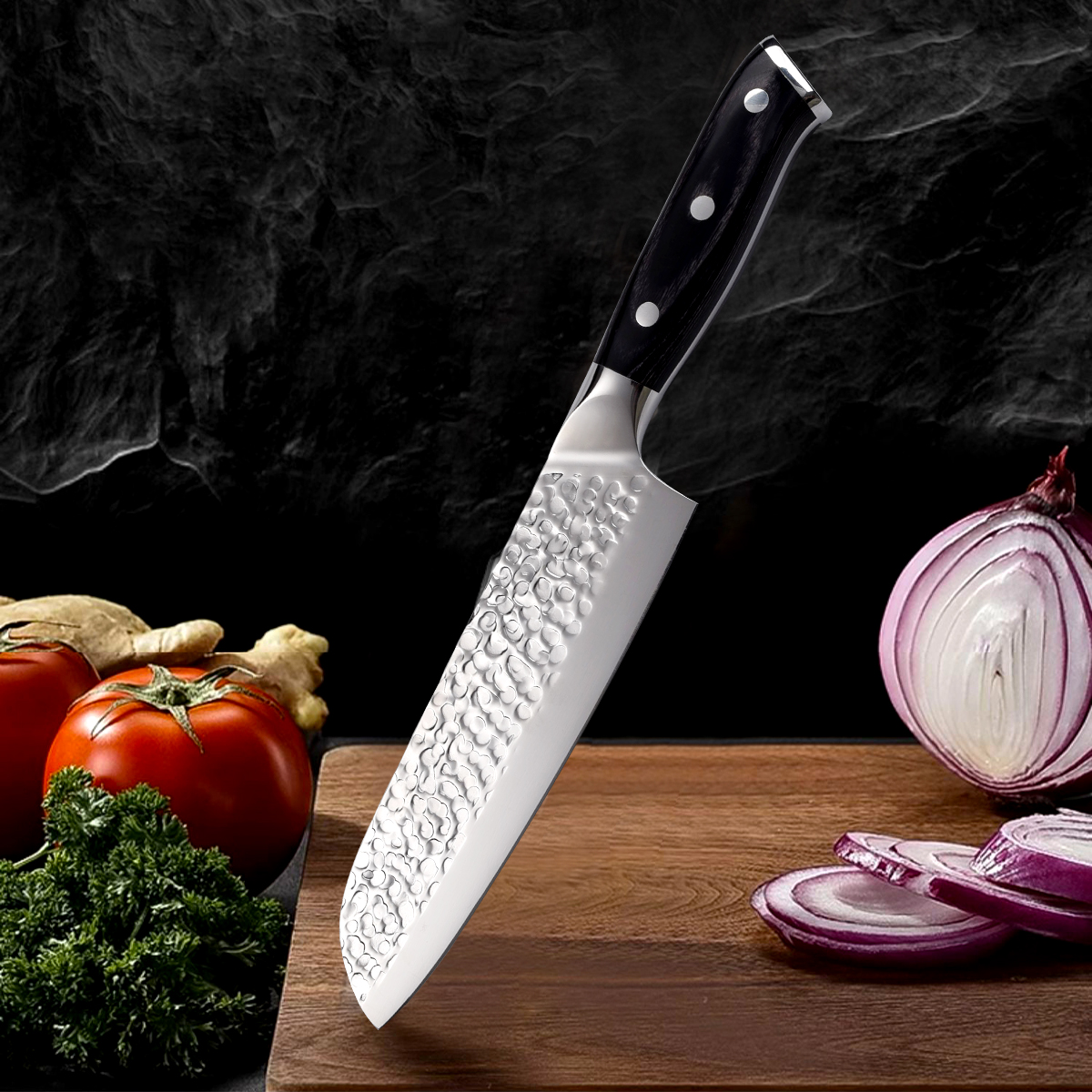
The first step in choosing a knife is to consider its intended purpose. Think about the types of food you prepare most often and the tasks you perform in the kitchen. If you primarily chop vegetables, a chef's knife may be your best option. If you often work with meat, a boning knife might be more suitable. Understanding your cooking style will help you select the right knife.
The material of the blade is crucial for performance and durability. Common blade materials include stainless steel, carbon steel, and ceramic.
- Stainless Steel: This is the most common material for kitchen knives. It is resistant to rust and corrosion, making it easy to maintain. Stainless steel knives are durable and hold their edge well.
- Carbon Steel: Carbon steel knives are known for their sharpness and ability to hold an edge longer than stainless steel. However, they require more maintenance to prevent rust and discoloration.
- Ceramic: Ceramic knives are lightweight and maintain their sharpness for a long time. They are ideal for slicing fruits and vegetables but can chip or break if dropped.
The handle of the knife is just as important as the blade. A comfortable handle allows for better control and reduces fatigue during extended use. When choosing a knife, hold it in your hand to see how it feels. Look for ergonomic designs that fit comfortably in your grip. Common handle materials include wood, plastic, and metal.
The weight and balance of a knife can significantly affect its performance. Some cooks prefer heavier knives for their stability, while others prefer lighter knives for agility. A well-balanced knife will feel comfortable in your hand and allow for precise control. When selecting a knife, consider how it feels when you hold it and how it performs during cutting tasks.
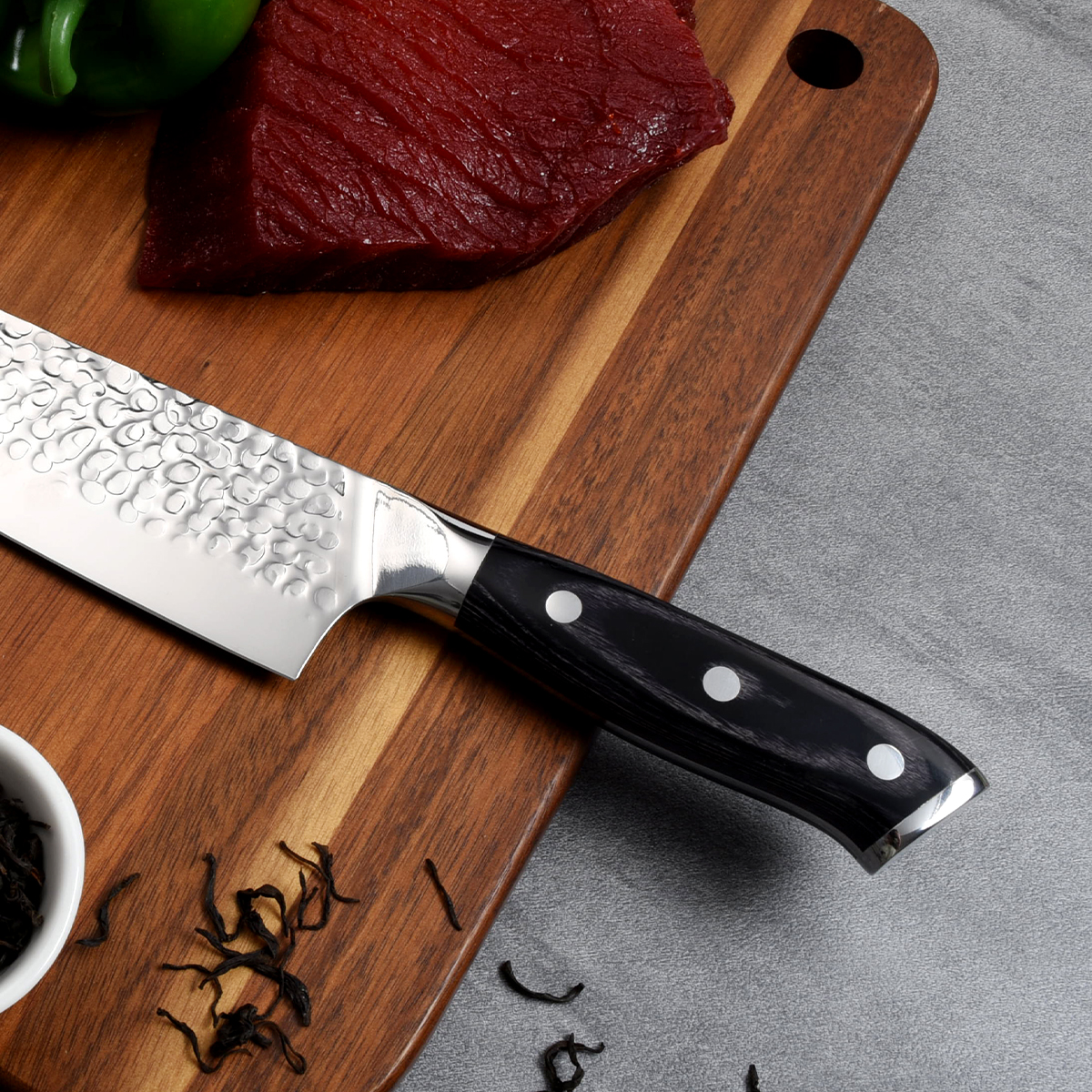
Knife size is another important factor to consider. A larger knife may be more suitable for cutting larger ingredients, while a smaller knife may be better for intricate tasks. Consider your hand size and strength when choosing a knife. A knife that is too large or too small can lead to discomfort and reduced control.
Investing in a high-quality knife from a reputable brand can make a significant difference in performance and longevity. Look for brands known for their craftsmanship and durability. While high-quality knives may come with a higher price tag, they often provide better performance and last longer than cheaper alternatives.
Proper cleaning is essential for maintaining the performance and longevity of your knife. After each use, wash the knife with warm, soapy water and dry it immediately. Avoid putting knives in the dishwasher, as this can damage the blade and handle.
Keeping your knife sharp is crucial for optimal performance. A dull knife can be dangerous and make cutting tasks more difficult. Invest in a good sharpening stone or honing rod to maintain the edge of your knife. Regular sharpening will ensure that your knife performs well and lasts longer.
Proper storage is essential for protecting your knife's blade and ensuring safety in the kitchen. Store knives in a knife block, magnetic strip, or protective sheaths to prevent damage. Avoid storing knives loose in a drawer, as this can lead to dull blades and accidental cuts.
Choosing the right knife for cooking is a crucial decision that can greatly impact your culinary experience. By understanding the different types of knives, considering factors such as purpose, blade material, handle comfort, weight, and balance, you can select the perfect knife for your needs. Proper maintenance and care will ensure that your knife remains a reliable tool in your kitchen for years to come.
1. What is the best type of knife for beginners?
- A chef's knife is often recommended for beginners due to its versatility and ease of use.
2. How often should I sharpen my kitchen knives?
- It is advisable to sharpen your knives regularly, depending on usage. A good rule of thumb is to sharpen them every few months or whenever they feel dull.
3. Can I use a chef's knife for all types of food?
- While a chef's knife is versatile, it may not be the best choice for specialized tasks like filleting fish or slicing bread. It's good to have a variety of knives for different tasks.
4. What is the difference between a forged and stamped knife?
- Forged knives are made from a single piece of steel and are generally more durable and balanced. Stamped knives are cut from a sheet of steel and are often lighter and less expensive.
5. Is it worth investing in a high-quality knife?
- Yes, investing in a high-quality knife can improve your cooking experience, as they tend to perform better and last longer than cheaper alternatives.


