
- Home
- Products
- About Us
- OEM/ODM
- VR
- Resources
- Contacts


Views: 268 Author: Insight Publish Time: 2026-01-23 Origin: Insight


Content Menu
● The Role of a Good Knife in Cooking
>> Chef's Knife
>> Paring Knife
>> Boning Knife
>> Consider Your Cooking Style
>> Safe Storage
When it comes to cooking, the tools you use can significantly impact the quality of your food and the efficiency of your preparation. Among these tools, a good cooking knife stands out as one of the most essential. This article will explore the importance of a good cooking knife, the different types available, how to choose the right one, and tips for maintaining it.

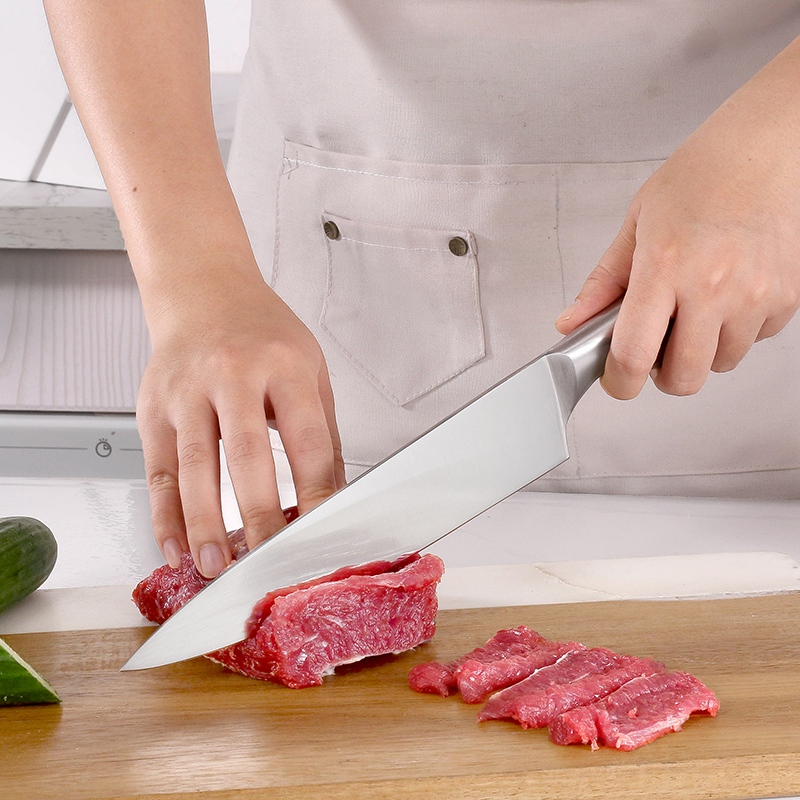
A good cooking knife can drastically improve your efficiency in the kitchen. When you have a sharp, well-balanced knife, chopping, slicing, and dicing become much easier and quicker. This efficiency not only saves time but also reduces the physical strain on your hands and wrists. A dull knife, on the other hand, requires more force to cut through ingredients, which can lead to accidents and injuries.
Precision is key in cooking, especially when it comes to presentation and flavor. A good knife allows for clean, precise cuts, which can enhance the visual appeal of your dishes. For instance, uniform slices of vegetables not only look better but also cook more evenly. This precision can be particularly important in techniques such as julienne or chiffonade, where the size and shape of the cut can affect the cooking time and texture of the food.
While it may seem counterintuitive, a good knife can actually be safer than a dull one. Dull knives are more likely to slip off the food you are cutting, leading to accidents. A sharp knife, when used correctly, allows for better control and reduces the risk of injury. Additionally, a well-designed knife with a comfortable grip can help prevent hand fatigue, which can also lead to accidents.
The chef's knife is often considered the workhorse of the kitchen. Typically ranging from 6 to 12 inches in length, it is versatile enough to handle a variety of tasks, from chopping vegetables to slicing meat. The broad blade allows for a rocking motion, making it ideal for mincing herbs and garlic.
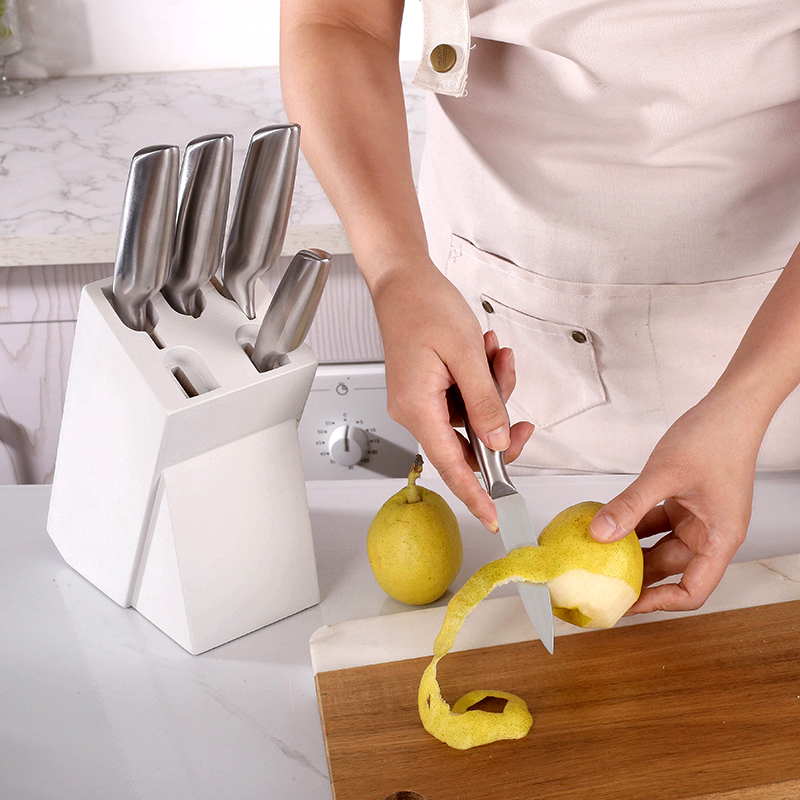
A paring knife is smaller, usually around 3 to 4 inches long, and is perfect for intricate tasks such as peeling fruits and vegetables or deveining shrimp. Its size allows for greater control, making it an essential tool for detailed work.
A serrated knife, often referred to as a bread knife, features a saw-like edge that makes it ideal for cutting through crusty bread or delicate items like tomatoes. The serrations grip the surface of the food, allowing for a clean cut without crushing.
A boning knife is designed for deboning meat and fish. It has a thin, flexible blade that allows for precision when removing bones without wasting meat. This knife is essential for anyone who prepares whole cuts of meat or fish.
A utility knife is a versatile tool that falls between a chef's knife and a paring knife in size. It can be used for a variety of tasks, making it a handy addition to any kitchen.
When selecting a knife, consider your cooking style and the types of food you prepare most often. If you frequently cook large meals or work with a variety of ingredients, investing in a high-quality chef's knife may be worthwhile. For those who enjoy baking, a serrated knife may be essential.
The handle of a knife is just as important as the blade. A comfortable grip can make a significant difference in your cooking experience. When choosing a knife, hold it in your hand to see how it feels. Look for a handle that fits comfortably and allows for a secure grip.
Knives are typically made from stainless steel, carbon steel, or ceramic. Stainless steel is resistant to rust and easy to maintain, while carbon steel can hold a sharper edge but requires more care. Ceramic knives are lightweight and maintain their sharpness but can be brittle. Consider the pros and cons of each material when making your choice.
The weight and balance of a knife can affect how it feels during use. Some chefs prefer a heavier knife for its cutting power, while others prefer a lighter knife for agility. Balance is also crucial; a well-balanced knife will feel comfortable and controlled in your hand.
To keep your knife performing at its best, regular sharpening is essential. A sharp knife not only makes cooking easier but also safer. You can sharpen your knife using a whetstone, honing rod, or an electric sharpener. Each method has its advantages, so choose one that suits your skill level and comfort.
After each use, clean your knife properly to maintain its condition. Hand washing with mild soap and water is recommended, as dishwashers can damage the blade and handle. Always dry your knife immediately to prevent rusting.
Storing your knife properly is crucial for maintaining its sharpness and safety. Consider using a knife block, magnetic strip, or blade guards to protect the edge. Avoid tossing your knife into a drawer, as this can dull the blade and pose a safety risk.
A good cooking knife is an indispensable tool in the kitchen. It enhances efficiency, improves precision, and contributes to safety while cooking. By understanding the different types of knives available, how to choose the right one, and the importance of maintenance, you can ensure that your cooking experience is both enjoyable and productive. Investing in a quality knife is not just about the tool itself; it's about elevating your culinary skills and enjoying the art of cooking.
1. What is the best type of knife for a beginner cook?
A chef's knife is often recommended for beginners due to its versatility and ease of use.
2. How often should I sharpen my cooking knife?
It depends on usage, but generally, sharpening every few months or when you notice a dull edge is advisable.
3. Can I use a dishwasher to clean my knives?
It is not recommended to use a dishwasher, as it can damage the blade and handle. Hand washing is preferred.
4. What is the difference between a chef's knife and a paring knife?
A chef's knife is larger and versatile for various tasks, while a paring knife is smaller and used for intricate work.
5. How should I store my knives to keep them safe?
Use a knife block, magnetic strip, or blade guards to protect the knives and keep them sharp.


