
- Home
- Products
- About Us
- OEM/ODM
- VR
- Resources
- Contacts


Views: 243 Author: Site Editor Publish Time: 2026-01-20 Origin: Site


Content Menu
● The Case for Using a Machete in Cooking
● The Drawbacks of Using a Machete in Cooking
● Best Practices for Using a Machete in Cooking
>> Using the Right Cutting Technique
>> Safety First
● Alternatives to Using a Machete
>> Cleavers
When it comes to cooking, the right tools can make all the difference. While most people are familiar with traditional kitchen knives, there are many other cutting tools that can be utilized in the culinary world. One such tool is the machete. This article will explore the practicality of using a machete as a cooking knife, its advantages and disadvantages, and the best practices for using it in the kitchen.

A machete is a large, broad-bladed knife that is primarily used for cutting through thick vegetation, such as brush and small trees. It is a versatile tool that has been used for centuries in various cultures around the world, particularly in tropical regions.
Machetes typically have a long blade, ranging from 12 to 18 inches, and a sturdy handle. The blade is often made from high-carbon steel or stainless steel, which provides durability and strength. The design of a machete allows for powerful swings, making it effective for clearing paths or chopping through dense materials.
One of the main advantages of using a machete in cooking is its versatility. The large blade can be used for a variety of tasks, including chopping vegetables, slicing meat, and even crushing garlic.
The machete's design allows for powerful cuts, which can be particularly useful when dealing with large quantities of food. For instance, if you are preparing a large batch of stir-fry or a hearty stew, a machete can quickly chop through vegetables and meat, saving you time in the kitchen.
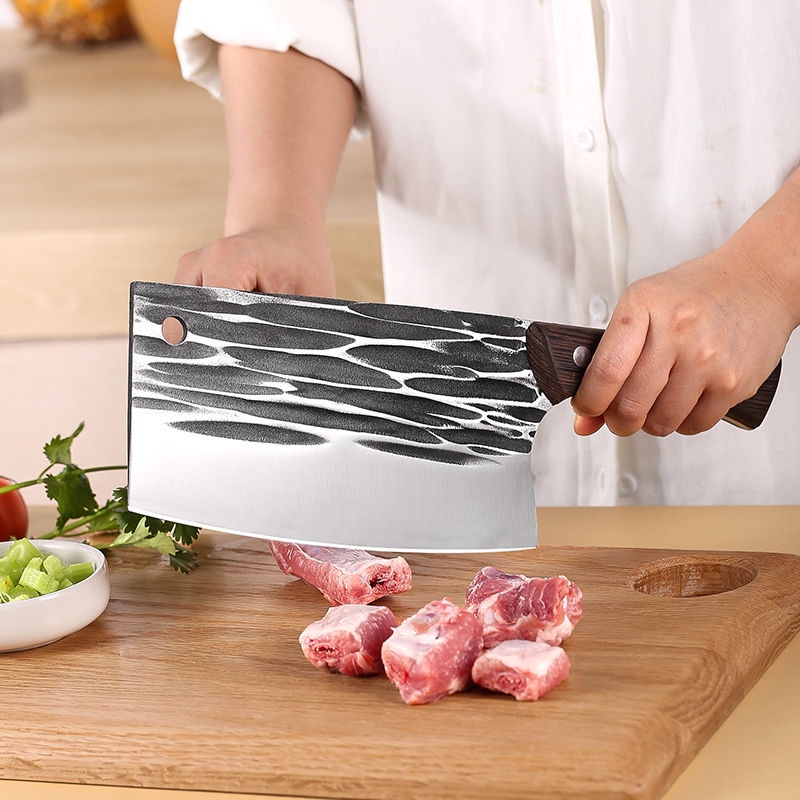
If you enjoy cooking outdoors, a machete can be an excellent tool to have on hand. Whether you are camping, hiking, or hosting a barbecue, a machete can help you prepare food quickly and efficiently. Its ability to handle tough ingredients, such as thick cuts of meat or large vegetables, makes it a practical choice for outdoor cooking.
While a machete is versatile, it is not always the best choice for precision cutting. The large blade can make it difficult to achieve fine cuts, which are often required in cooking. For tasks such as mincing herbs or finely dicing vegetables, a traditional chef's knife may be more suitable.
Using a machete in the kitchen can pose safety risks. The size and weight of the machete can make it unwieldy, especially for those who are not accustomed to handling such a large knife. There is a greater risk of accidents, such as cuts or injuries, when using a machete compared to smaller kitchen knives.
For those who are not experienced with using a machete, handling it can be challenging. The weight and balance of the machete may not be conducive to the delicate movements required in cooking. This can lead to fatigue and discomfort during extended use.
If you decide to use a machete in the kitchen, it is important to choose the right one. Look for a machete with a comfortable handle and a blade that is well-balanced. A machete with a straight edge is preferable for cooking tasks, as it allows for more control during cutting.
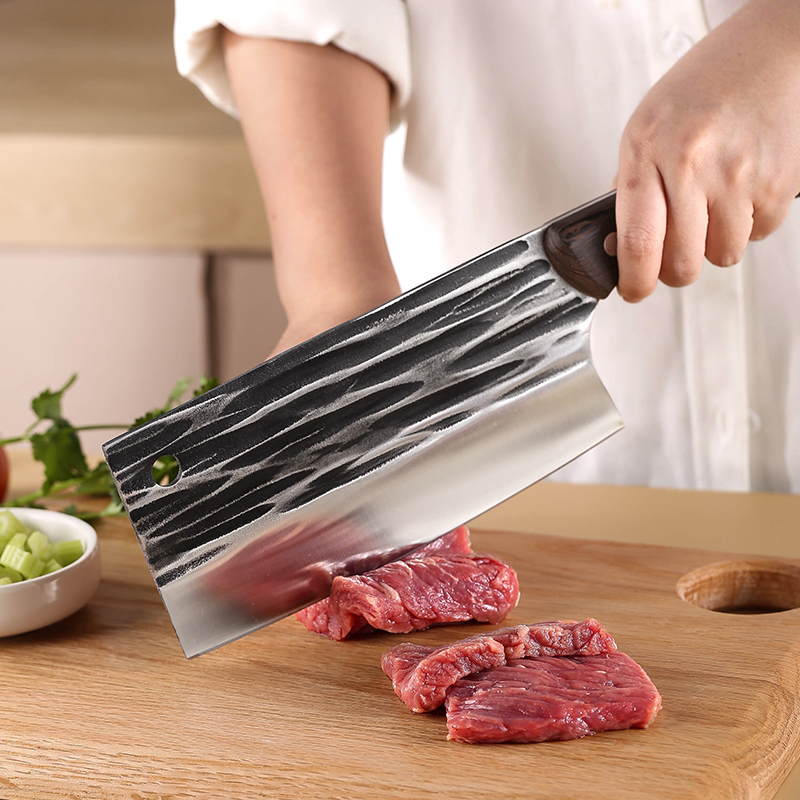
Proper maintenance is essential for any cutting tool, and a machete is no exception. Keep the blade sharp to ensure efficient cutting and to reduce the risk of accidents. Regularly clean the machete after use to prevent food residue from building up, which can lead to contamination.
When using a machete in the kitchen, it is important to employ the right cutting techniques. Use a stable cutting board to provide a secure surface for cutting. Hold the machete firmly, using both hands if necessary, to maintain control during cutting.
Always prioritize safety when using a machete. Keep your fingers and other body parts away from the blade while cutting. If you are not comfortable using a machete, consider using a traditional kitchen knife instead.
For most cooking tasks, traditional kitchen knives are the best choice. A chef's knife, paring knife, or serrated knife can handle a wide range of cutting tasks with precision and safety.
If you are looking for a larger knife that can handle tough ingredients, consider using a cleaver. Cleavers are designed for heavy-duty cutting and can be used for chopping meat and vegetables. They offer a balance between size and precision, making them a suitable alternative to a machete.
For those who want to save time in the kitchen, a food processor can be an excellent alternative. Food processors can chop, slice, and dice ingredients quickly and efficiently, eliminating the need for manual cutting.
While a machete can be used as a cooking knife in certain situations, it is not always the best choice for every task. Its versatility and efficiency can be beneficial, especially in outdoor cooking scenarios. However, the lack of precision and safety concerns make it less suitable for everyday kitchen use. For most cooking tasks, traditional kitchen knives or cleavers are recommended for their balance of precision and control.
---
1. Can a machete be used for slicing bread?
- While a machete can slice bread, it is not the ideal tool. A serrated knife is better suited for this task as it provides cleaner cuts without squishing the bread.
2. Is it safe to use a machete in the kitchen?
- Using a machete in the kitchen can pose safety risks due to its size and weight. It is important to handle it with care and prioritize safety.
3. What are the best types of machetes for cooking?
- A machete with a straight edge and a comfortable handle is best for cooking tasks. Look for one that is well-balanced for better control.
4. How do I maintain my machete?
- Keep your machete sharp, clean it after each use, and store it safely to maintain its effectiveness and longevity.
5. What are some good alternatives to a machete for cooking?
- Traditional kitchen knives, cleavers, and food processors are excellent alternatives that provide better precision and safety for cooking tasks.


