
- Home
- Products
- About Us
- OEM/ODM
- VR
- Resources
- Contacts


Views: 243 Author: Insight Publish Time: 2026-01-17 Origin: Insight


Content Menu
● Understanding the Serrated Knife
>> The Anatomy of a Serrated Knife
● Uses of a Serrated Knife in Cooking
● Advantages of Using a Serrated Knife
>> Versatility
● Tips for Using a Serrated Knife
>> Proper Grip
● Maintaining Your Serrated Knife
>> Sharpening
>> Storage
A serrated knife is a specialized kitchen tool that features a blade with a series of small, saw-like teeth. This design allows it to cut through various types of food with ease, making it an essential item in any culinary setting. In this article, we will explore the various uses of a serrated knife in cooking, its advantages over other types of knives, and tips for proper usage and maintenance.

A serrated knife is characterized by its unique blade, which has a series of sharp, pointed teeth along its edge. This design is particularly effective for cutting through foods that have a hard exterior and a soft interior. Common examples include bread, tomatoes, and certain fruits.
The serrated knife typically consists of the following parts:
- Blade: The blade is the most important part of the knife, featuring a series of serrations that help grip and cut through food.
- Handle: The handle provides a comfortable grip for the user, allowing for better control while cutting.
- Tang: The tang is the part of the blade that extends into the handle, providing balance and stability.
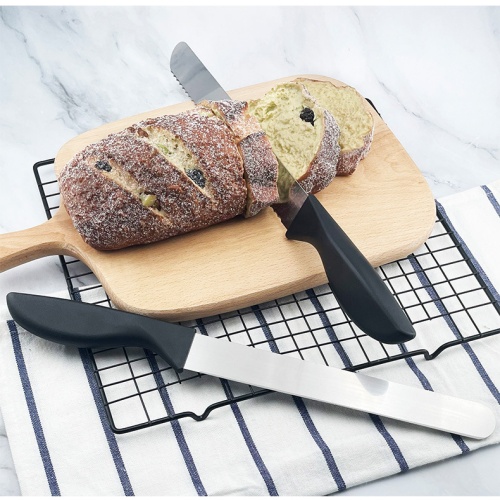
One of the most common uses of a serrated knife is for slicing bread. The serrated edge allows the knife to grip the crust without crushing the soft interior. This results in clean, even slices, whether you are cutting a loaf of sourdough, baguette, or any other type of bread.
Tomatoes are notorious for being difficult to slice due to their soft flesh and slippery skin. A serrated knife excels in this task, as the teeth can easily penetrate the skin and cut through the flesh without squishing the tomato. This makes it an ideal tool for preparing salads, sandwiches, and garnishes.
When it comes to cakes and pastries, a serrated knife is invaluable. The serrated edge allows for smooth, even cuts through layers of cake, frosting, and delicate pastries. This is particularly useful for creating clean slices for serving or decorating.
Many fruits, such as pineapples, melons, and citrus, have tough skins that can be challenging to cut through. A serrated knife can easily slice through these tough exteriors, making it easier to access the juicy flesh inside. This is especially helpful when preparing fruit salads or garnishes.
While a serrated knife is not typically the first choice for carving meats, it can be useful for cutting through the crust of roasted meats, such as a crusty roast or a glazed ham. The serrated edge can help create clean slices without tearing the meat.
One of the main advantages of a serrated knife is its versatility. It can be used for a wide range of foods, from bread and tomatoes to fruits and pastries. This makes it a valuable addition to any kitchen.
The design of a serrated knife allows it to cut through food with less pressure than a straight-edged knife. This is particularly beneficial when working with delicate items, as it reduces the risk of crushing or damaging the food.
Serrated knives tend to stay sharper for longer periods compared to traditional knives. The teeth of the serrated edge are less prone to dulling, which means less frequent sharpening is required.
When using a serrated knife, it is important to maintain a proper grip. Hold the handle firmly with your dominant hand, and use your other hand to guide the food being cut. This will provide better control and stability.
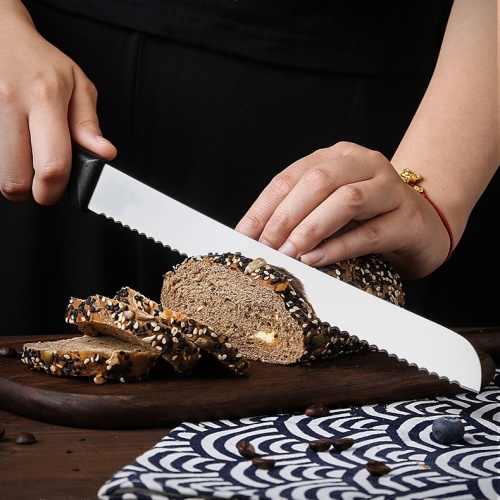
To achieve the best results, use a gentle sawing motion when cutting with a serrated knife. Avoid applying excessive force, as this can lead to uneven cuts or damage to the food.
After using a serrated knife, it is essential to clean it properly. Food particles can become trapped in the serrations, so be sure to wash the knife thoroughly with warm, soapy water and dry it immediately to prevent rusting.
While serrated knives do not require sharpening as frequently as straight-edged knives, they will eventually need maintenance. Use a specialized serrated knife sharpener or a honing rod designed for serrated edges to keep the blade in optimal condition.
Proper storage is crucial for maintaining the longevity of your serrated knife. Store it in a knife block, on a magnetic strip, or in a protective sheath to prevent damage to the blade and ensure safety.
Regularly inspect your serrated knife for any signs of damage or wear. If the teeth become chipped or the blade shows signs of rust, it may be time to replace the knife or seek professional sharpening services.
A serrated knife is an essential tool in the kitchen, offering versatility and efficiency for a variety of cutting tasks. From slicing bread to preparing fruits and cakes, its unique design allows for clean, precise cuts without damaging the food. By understanding how to use and maintain a serrated knife, you can enhance your cooking experience and ensure that this valuable tool remains in excellent condition for years to come.
1. What types of food can I cut with a serrated knife?
- A serrated knife is ideal for cutting bread, tomatoes, cakes, fruits, and even some meats.
2. How do I properly clean a serrated knife?
- Clean a serrated knife with warm, soapy water and a soft sponge. Avoid using abrasive materials that can damage the blade.
3. How often should I sharpen my serrated knife?
- Serrated knives do not need sharpening as frequently as straight-edged knives, but they should be sharpened when you notice a decline in cutting performance.
4. Can I use a serrated knife for carving meats?
- Yes, a serrated knife can be used for carving roasted meats, especially those with a crusty exterior.
5. What is the best way to store a serrated knife?
- Store a serrated knife in a knife block, on a magnetic strip, or in a protective sheath to prevent damage and ensure safety.


