
- Home
- Products
- About Us
- OEM/ODM
- VR
- Resources
- Contacts


Views: 256 Author: Insight Publish Time: 2026-01-16 Origin: Insight


Content Menu
● Understanding Knife Sharpness
>> What Does It Mean for a Knife to Be Sharp?
>> The Importance of Knife Sharpness
● How Often Should You Sharpen Your Cook's Knife?
>> Factors Influencing Sharpening Frequency
>> General Guidelines for Sharpening
● Signs That Your Knife Needs Sharpening
>> Visual and Tactile Indicators
● Best Practices for Maintaining Your Knife's Edge
● When to Seek Professional Sharpening
>> Signs You Need Professional Help
>> Finding a Professional Sharpener
A cook's knife is one of the most essential tools in any kitchen. It is the workhorse of food preparation, used for chopping, slicing, dicing, and mincing a variety of ingredients. However, to maintain its effectiveness and ensure safety while cooking, it is crucial to keep the knife sharp. This article will explore how often you should sharpen a cook's knife, the signs that indicate it needs sharpening, and the best practices for maintaining your knife's edge.

A sharp knife has a fine edge that allows it to cut through food with minimal effort. When a knife is sharp, it requires less force to slice through ingredients, which not only makes the cooking process more efficient but also safer. A dull knife, on the other hand, can slip and cause accidents, leading to injuries.
Maintaining a sharp knife is essential for several reasons:
- Safety: A sharp knife is safer than a dull one. Dull knives require more force to cut, increasing the risk of slipping and causing injuries.
- Efficiency: A sharp knife makes food preparation faster and easier. You can slice through vegetables, meats, and herbs with precision and speed.
- Quality of Cuts: A sharp knife produces cleaner cuts, which can enhance the presentation of your dishes and improve cooking times.
The frequency with which you should sharpen your cook's knife depends on several factors:
- Usage: The more you use your knife, the more frequently it will need sharpening. Professional chefs or avid home cooks may need to sharpen their knives more often than someone who cooks occasionally.
- Type of Food: Cutting through hard foods, such as root vegetables or bones, can dull a knife more quickly than cutting through softer foods.
- Knife Material: Different materials have different hardness levels. High-carbon stainless steel knives may hold their edge longer than softer stainless steel knives.
- Cutting Surface: Using a wooden or plastic cutting board is gentler on your knife's edge compared to glass or ceramic surfaces, which can dull the blade faster.
As a general rule of thumb, you should consider sharpening your cook's knife:
- Every Few Weeks: If you use your knife daily for various tasks, sharpening every few weeks is advisable.
- Monthly: For home cooks who use their knives several times a week, a monthly sharpening may suffice.
- Every Few Months: If you use your knife infrequently, you may only need to sharpen it every few months.
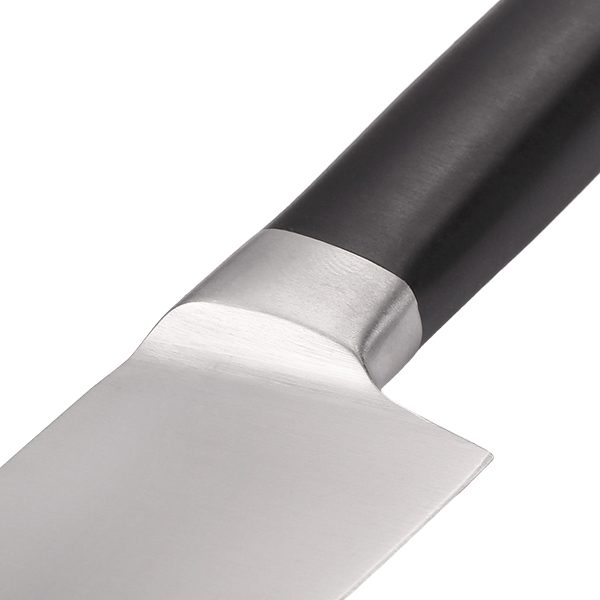
There are several signs that indicate your knife may need sharpening:
- Dullness: If you notice that your knife is not cutting as smoothly as it used to, it may be dull. You should be able to slice through tomatoes or herbs without crushing them.
- Resistance: If you feel resistance when cutting through food, it's a sign that the edge has become dull.
- Nicks or Chips: Inspect the blade for any visible nicks or chips. These imperfections can affect the knife's performance and should be addressed immediately.
A simple test to check the sharpness of your knife is the paper test. Try slicing through a piece of paper. A sharp knife will cut through easily, while a dull knife will struggle or tear the paper.
Honing is different from sharpening. While sharpening involves removing material from the blade to create a new edge, honing realigns the existing edge. Regular honing can extend the time between sharpenings.
- Frequency: Hone your knife before or after each use, especially if you use it frequently.
- Technique: Hold the honing rod vertically and swipe the knife blade against it at a 15 to 20-degree angle, alternating sides.
How you store your knife can also affect its sharpness. Avoid tossing it in a drawer where it can get nicked or dulled by other utensils.
- Knife Block: A knife block is a safe way to store your knives and protect their edges.
- Magnetic Strip: A magnetic strip allows you to hang your knives, keeping them accessible and safe from damage.
- Blade Guards: If you must store your knife in a drawer, consider using blade guards to protect the edge.
Proper cleaning and maintenance can also help maintain your knife's sharpness.
- Hand Wash: Always hand wash your knife with mild soap and water. Avoid putting it in the dishwasher, as the heat and movement can dull the blade.
- Dry Immediately: After washing, dry your knife immediately to prevent rust and corrosion.
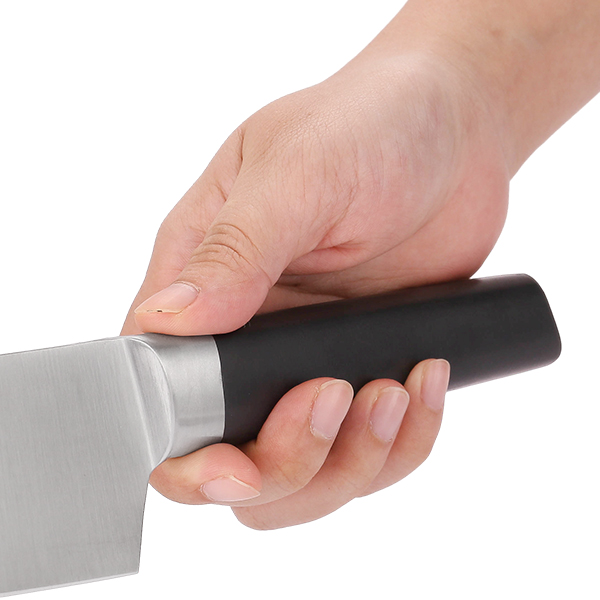
While many home cooks can sharpen their knives, there are times when professional sharpening is advisable.
- Severe Damage: If your knife has significant nicks or chips, a professional sharpening service can restore it to its original condition.
- Lack of Improvement: If you find that your attempts to sharpen your knife at home are not yielding satisfactory results, it may be time to consult a professional.
Look for local knife shops, culinary schools, or specialty kitchen stores that offer sharpening services. Many chefs also have recommendations for reliable sharpeners.
Maintaining a sharp cook's knife is essential for safety, efficiency, and quality in the kitchen. By understanding how often to sharpen your knife, recognizing the signs of dullness, and following best practices for maintenance, you can ensure that your knife remains a valuable tool for years to come. Remember, a sharp knife is not just a tool; it is an extension of your culinary skills.
---
1. How can I tell if my knife is sharp enough?
- You can perform the paper test by trying to slice through a piece of paper. A sharp knife will cut cleanly, while a dull knife will struggle.
2. Is honing the same as sharpening?
- No, honing realigns the edge of the knife, while sharpening removes material to create a new edge.
3. How often should I hone my knife?
- It is recommended to hone your knife before or after each use, especially if you use it frequently.
4. Can I sharpen my knife at home?
- Yes, you can sharpen your knife at home using a whetstone, sharpening rod, or electric sharpener, but professional sharpening is advisable for severe damage.
5. What is the best way to store my knife?
- Store your knife in a knife block, on a magnetic strip, or use blade guards if storing in a drawer to protect the edge.


