
- Home
- Products
- About Us
- OEM/ODM
- VR
- Resources
- Contacts


Views: 210 Author: Insight Publish Time: 2026-01-20 Origin: Insight


Content Menu
● Understanding the Importance of Proper Knife Grip
>> Safety First
● Choosing the Right Knife for the Task
>> Chef's Knife
>> Paring Knife
● Techniques for Improving Knife Skills
>> Holding the Knife Incorrectly
>> Cutting on an Unstable Surface
>> Neglecting Knife Maintenance
Cooking is an art that requires not only creativity and passion but also the right techniques and tools. One of the most essential tools in any kitchen is the knife. Knowing how to hold a knife properly is crucial for safety, efficiency, and precision in your cooking. In this article, we will explore the various techniques for holding a knife, the different types of knives, and tips for improving your knife skills.

When it comes to cooking, safety should always be your top priority. A proper knife grip minimizes the risk of accidents and injuries. A secure grip allows you to have better control over the knife, reducing the chances of slipping and cutting yourself.
Holding a knife correctly not only enhances safety but also improves your cutting efficiency. A good grip allows for smoother and faster cuts, making your food preparation quicker and more enjoyable.
Precision is key in cooking, especially when it comes to chopping vegetables or slicing meat. A proper knife grip enables you to make accurate cuts, ensuring that your ingredients are prepared uniformly, which can affect cooking times and presentation.
There are several ways to hold a knife, and the grip you choose can depend on the type of knife you are using and the task at hand. Here are some common grips:
The pinch grip is one of the most recommended grips for professional chefs and home cooks alike.
1. How to Execute the Pinch Grip:
- Pinch the blade of the knife with your thumb and the side of your index finger, just above the handle.
- Wrap your remaining three fingers around the handle for support.
2. Benefits of the Pinch Grip:
- This grip provides excellent control and balance, allowing for precise cuts.
- It reduces hand fatigue, making it easier to chop for extended periods.
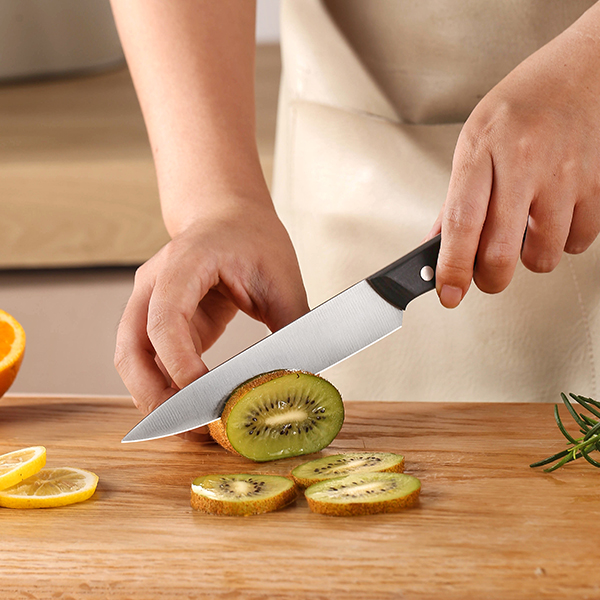
The handle grip is the most common grip used by beginners.
1. How to Execute the Handle Grip:
- Simply hold the handle of the knife with your dominant hand.
- Your fingers should wrap around the handle, with your thumb resting on the side.
2. Benefits of the Handle Grip:
- This grip is intuitive and easy to learn for beginners.
- It provides a comfortable hold for basic cutting tasks.
The claw grip is essential for protecting your fingers while cutting.
1. How to Execute the Claw Grip:
- Curl your fingers under and tuck your fingertips in, creating a claw shape.
- Use your knuckles as a guide for the knife, keeping the blade close to your fingers.
2. Benefits of the Claw Grip:
- This grip keeps your fingers safe from the blade.
- It allows for better control of the food being cut, ensuring uniformity.
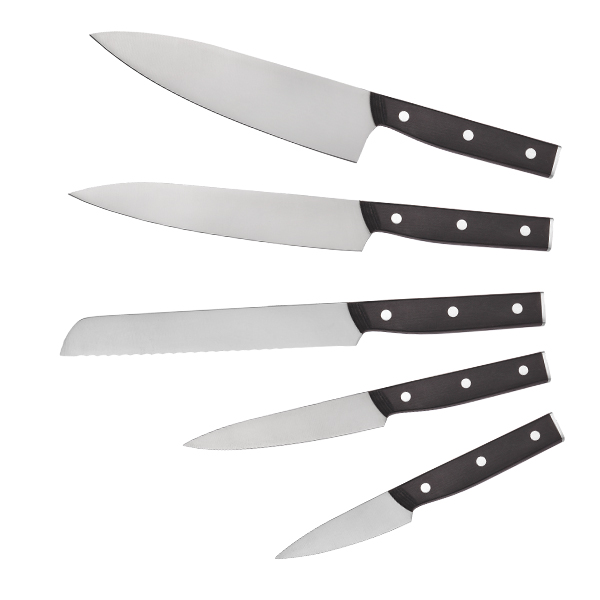
Different tasks in the kitchen require different types of knives. Understanding which knife to use can enhance your cooking experience.
The chef's knife is a versatile tool that can handle a variety of tasks, from chopping vegetables to slicing meat.
- Best Uses: Dicing, mincing, slicing, and chopping.
- Grip: The pinch grip is ideal for this knife.
A paring knife is smaller and perfect for intricate tasks.
- Best Uses: Peeling, trimming, and detailed work.
- Grip: The handle grip works well for this knife.
A serrated knife is designed for cutting through foods with a hard exterior and soft interior.
- Best Uses: Slicing bread and tomatoes.
- Grip: The handle grip is commonly used.
Holding a knife correctly is just the beginning. Here are some techniques to improve your knife skills:
The more you practice, the better you will become. Set aside time to practice your cutting techniques, focusing on speed and precision.
Always use a cutting board to protect your countertops and provide a stable surface for cutting.
A sharp knife is safer and more efficient than a dull one. Regularly sharpen your knives to maintain their effectiveness.
Pay attention to your grip, posture, and cutting technique. Ensure that you are using the right grip for the task at hand and that you are cutting with confidence.
Even experienced cooks can make mistakes when it comes to knife handling. Here are some common pitfalls to avoid:
Using the wrong grip can lead to accidents and inefficient cutting. Always choose the grip that best suits the knife and task.
Cutting on an unstable surface can lead to slips and accidents. Always use a stable cutting board.
Failing to maintain your knives can lead to dull blades and increased risk of injury. Regularly sharpen and clean your knives.
Mastering the art of holding a knife is essential for anyone who enjoys cooking. By understanding the different grips, choosing the right knife for the task, and practicing regularly, you can enhance your cooking skills and enjoy the process of preparing meals. Remember to prioritize safety and efficiency, and soon you will find yourself cutting like a pro.
---
1. What is the best grip for a chef's knife?
- The pinch grip is recommended for a chef's knife as it provides control and balance.
2. How can I keep my knives sharp?
- Regularly sharpen your knives using a whetstone or a knife sharpener, and hone them before each use.
3. What type of cutting board should I use?
- A wooden or plastic cutting board is ideal as it provides a stable surface and is gentle on your knife blades.
4. Is it safe to use a dull knife?
- No, a dull knife is more dangerous than a sharp one because it requires more force to cut, increasing the risk of slipping.
5. How can I improve my knife skills?
- Practice regularly, focus on your technique, and consider taking a cooking class to learn from professionals.


