
- Home
- Products
- About Us
- OEM/ODM
- VR
- Resources
- Contacts


Views: 202 Author: Insight Publish Time: 2025-12-24 Origin: Insight


Content Menu
● Understanding Chef Knife Sets
>> The Importance of a Chef Knife Set
● Components of a Chef Knife Set
>> Chef's Knife
>> Paring Knife
>> Bread Knife
>> Boning Knife
>> Cleaver
>> Steak Knives
● Additional Tools in a Chef Knife Set
>> Honing Steel
>>> Importance of Honing Steel
● Choosing the Right Chef Knife Set
>> Cleaning
>> Sharpening
>> Storage
A chef knife set is an essential collection of knives that every culinary enthusiast should consider. These sets are designed to provide the necessary tools for a wide range of cooking tasks, from chopping vegetables to slicing meats. In this article, we will explore what a chef knife set typically includes, the importance of each piece, how to choose the right set, and tips for maintaining your knives.

Chef knife sets are curated collections of knives that cater to the needs of both professional chefs and home cooks. These sets often include a variety of knives, each designed for specific tasks in the kitchen.
Having a well-rounded chef knife set is crucial for several reasons:
- Versatility: A good set allows you to perform various cooking tasks efficiently.
- Quality: Investing in a quality knife set can enhance your cooking experience and improve your skills.
- Safety: Using the right knife for the right task reduces the risk of accidents in the kitchen.
A typical chef knife set includes several essential knives, each serving a unique purpose. Understanding these components can help you make informed decisions when purchasing a set.
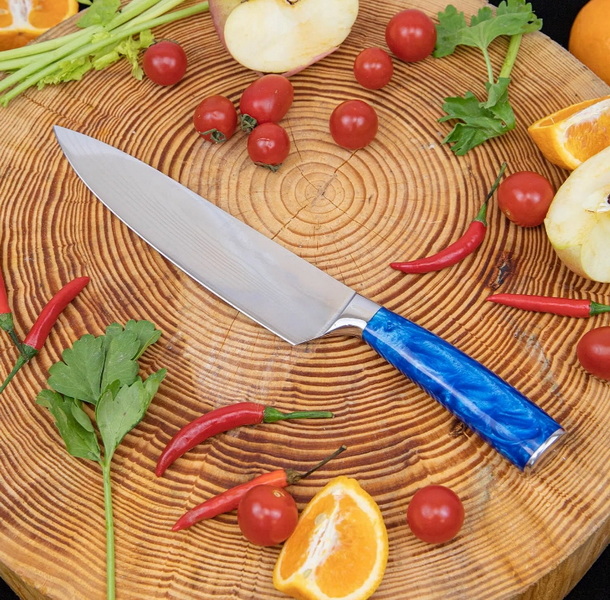
The chef's knife is the centerpiece of any knife set. It typically has a broad blade that tapers to a point, making it versatile for various tasks.
- Chopping: Ideal for chopping vegetables, herbs, and fruits.
- Slicing: Perfect for slicing meats and fish.
- Dicing: Can be used for dicing onions and other ingredients.
The paring knife is a small knife with a plain edge blade that is typically 3 to 4 inches long. It is designed for intricate work.
- Peeling: Great for peeling fruits and vegetables.
- Trimming: Useful for trimming fat from meat.
- Detail Work: Ideal for tasks that require precision, such as deveining shrimp.
The utility knife is a versatile tool that falls between a chef's knife and a paring knife in size. It is typically around 4 to 7 inches long.
- General Purpose: Suitable for a variety of tasks, including slicing cheese and meats.
- Small Tasks: Great for tasks that require more control than a chef's knife.
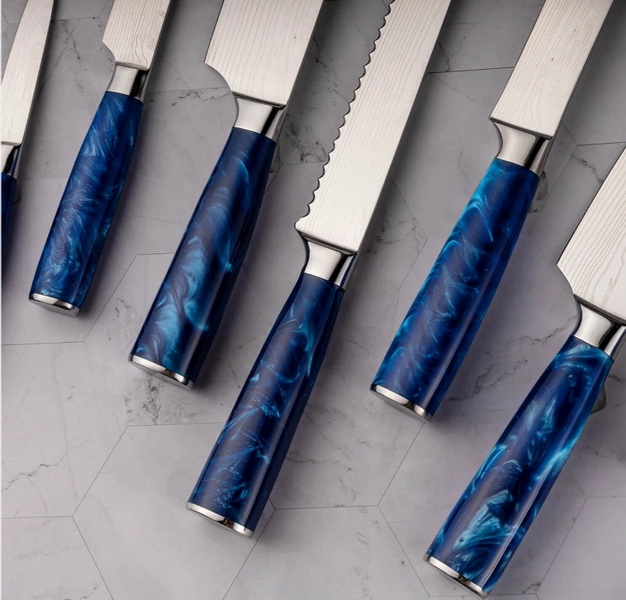
A bread knife features a long, serrated blade that is perfect for slicing through crusty bread without crushing it.
- Slicing Bread: Perfect for cutting through loaves of bread.
- Cutting Cakes: Can also be used for slicing cakes and pastries.
The Santoku knife is a Japanese-style knife that is similar to a chef's knife but has a shorter, wider blade with a flat edge.
- Chopping: Excellent for chopping vegetables and herbs.
- Slicing: Can be used for slicing fish and meats.
- Dicing: Ideal for dicing ingredients due to its flat edge.
A boning knife has a thin, flexible blade that is designed for deboning meat and fish.
- Deboning: Perfect for removing bones from meat and fish.
- Filleting: Can be used for filleting fish.
A cleaver is a heavy knife with a broad blade that is used for chopping through bones and tough cuts of meat.
- Chopping: Ideal for chopping through bones and large cuts of meat.
- Crushing: Can be used to crush garlic and other ingredients.
Steak knives are typically included in a knife set and are designed for cutting cooked meat at the dining table.
- Cutting Meat: Perfect for slicing through steaks and other meats.
- Table Use: Designed for use at the dining table.
In addition to the essential knives, many chef knife sets include additional tools that enhance their functionality.
A knife block or storage solution is often included to keep knives organized and protected.
- Safety: Keeps knives out of reach of children.
- Protection: Protects blades from damage.
A honing steel is a tool used to maintain the sharpness of knives. It is not a sharpener but helps realign the blade's edge.
- Maintenance: Regular use helps maintain knife sharpness.
- Longevity: Extends the life of your knives.
While not always included in knife sets, a good cutting board is essential for safe and effective food preparation.
- Wooden Boards: Gentle on knife edges and aesthetically pleasing.
- Plastic Boards: Easy to clean and often dishwasher safe.
When selecting a chef knife set, consider the following factors:
Think about the types of cooking you do most often. If you frequently prepare meat, a set with a boning knife and cleaver may be beneficial. For vegetable-heavy diets, a good chef's knife and paring knife are essential.
Investing in high-quality knives can save you money in the long run. Cheaper knives may need to be replaced more frequently, while quality knives can last a lifetime with proper care.
Consider how many knives you need. A basic set may include just a few essential knives, while a more comprehensive set may have specialized knives for various tasks.
Research brands known for their quality and durability. Reading reviews and seeking recommendations can help you make an informed decision.
Proper care and maintenance of your chef knives are crucial for their longevity and performance.
Always hand wash your knives with mild soap and water. Avoid putting them in the dishwasher, as the heat and moisture can damage the blades and handles.
Regularly sharpen your knives using a whetstone or professional sharpening service. A sharp knife is safer and more effective than a dull one.
Store your knives in a knife block, magnetic strip, or protective sheaths to prevent damage and ensure safety.
A chef knife set is an essential investment for anyone who enjoys cooking. Understanding the different pieces that make up a chef knife set and their specific uses can help you choose the right set for your culinary needs. By selecting quality knives and taking proper care of them, you can enhance your cooking experience and enjoy the art of food preparation.
---
1. What is the most important knife in a chef knife set?
- The chef's knife is often considered the most important knife due to its versatility in various cooking tasks.
2. How often should I sharpen my chef knives?
- It is recommended to sharpen your knives every few months, depending on usage. Regular honing can help maintain sharpness between sharpenings.
3. Can I put my chef knives in the dishwasher?
- No, it is best to hand wash your knives to prevent damage from heat and moisture in the dishwasher.
4. What is the difference between a chef's knife and a Santoku knife?
- A chef's knife is typically longer and has a pointed tip, while a Santoku knife has a shorter, wider blade with a flat edge, making it ideal for chopping.
5. How should I store my chef knives?
- Store your knives in a knife block, on a magnetic strip, or in protective sheaths to keep them safe and prevent damage.


