
- Home
- Products
- About Us
- OEM/ODM
- VR
- Resources
- Contacts


Views: 225 Author: Insight Publish Time: 2025-12-30 Origin: Insight


Content Menu
● Understanding the Palette Knife
>> History of the Palette Knife
● Uses of a Palette Knife in Cooking
>>> Frosting Cakes
>>> Spreading Batter
>>> Serving Food
>>> Creating Sauces and Purees
● Choosing the Right Palette Knife
>> Cleaning Your Palette Knife
In the world of culinary arts, tools play a crucial role in the preparation and presentation of food. One such tool that often goes unnoticed but is incredibly versatile is the palette knife. This article will delve into what a palette knife is, its various uses in cooking, and how it differs from other kitchen tools. We will also explore the different types of palette knives available and provide tips on how to choose the right one for your culinary needs.

A palette knife, also known as a spatula or a frosting knife, is a kitchen tool with a broad, flat blade that is typically made of stainless steel or plastic. The blade is usually flexible, allowing it to bend slightly, which is essential for its various applications. The handle can be made from wood, plastic, or metal, providing a comfortable grip for the user.
The palette knife has its origins in the art world, where it was used by painters to mix and apply paint. Over time, this tool found its way into the culinary world, where it became an essential instrument for chefs and bakers alike. Its design, which allows for precision and control, makes it ideal for various cooking tasks.
One of the primary uses of a palette knife in cooking is in baking and pastry work. It is an essential tool for spreading frosting on cakes, smoothing out batter in pans, and lifting delicate pastries. The flexibility of the blade allows bakers to create smooth, even layers of frosting, which is crucial for presentation.
When frosting a cake, a palette knife is invaluable. It allows for precise application of frosting, ensuring that the cake is evenly coated. The flat blade can also be used to create decorative swirls and patterns in the frosting, adding an artistic touch to the finished product.
In addition to frosting, a palette knife can be used to spread batter evenly in a baking pan. This is particularly useful for cakes and brownies, where an even layer is essential for uniform baking. The flexibility of the blade allows bakers to reach into corners and edges, ensuring that no batter is left behind.
Beyond baking, palette knives can also be used in cooking. They are excellent for sautéing vegetables, flipping pancakes, and even serving food. The flat blade allows for easy lifting and turning of food items, making cooking more efficient.
When cooking items like pancakes or omelets, a palette knife can be used to flip them with ease. The broad blade provides enough surface area to support the food, reducing the risk of breakage. This makes it an essential tool for any cook looking to achieve perfectly cooked dishes.
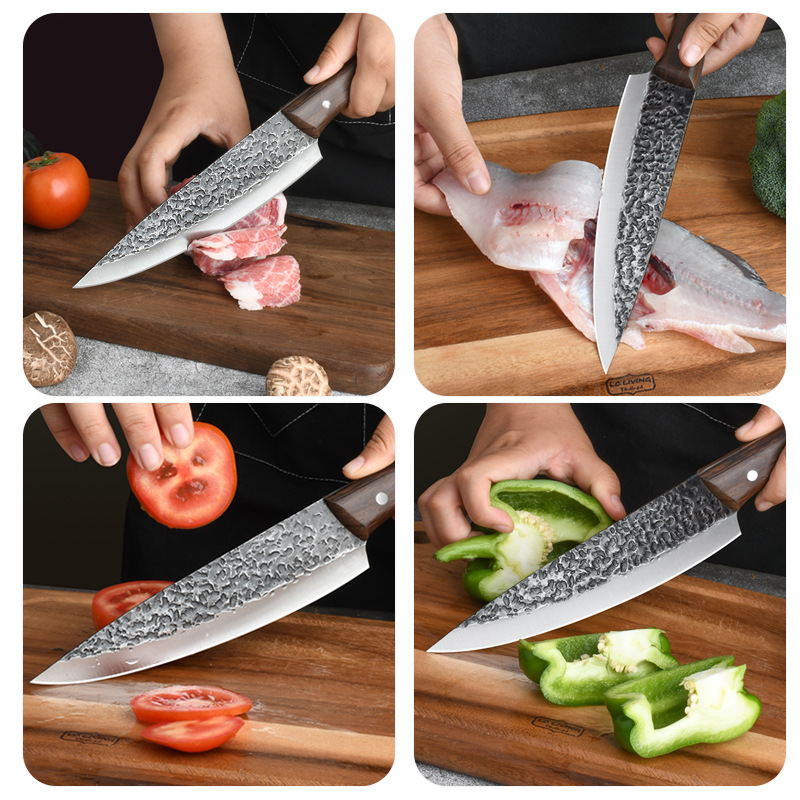
Palette knives can also serve as a serving tool. Their flat design allows for easy lifting and transferring of food from the cooking surface to the plate. This is particularly useful for delicate items like fish fillets or baked goods that may break apart if handled roughly.
In the realm of food presentation, a palette knife is an artist's brush. It can be used to create beautiful designs on plates, adding an aesthetic appeal to dishes. Chefs often use palette knives to spread sauces, create decorative swirls, and even sculpt food items.
When plating a dish, a palette knife can be used to spread sauces or purees on the plate. This technique not only enhances the visual appeal of the dish but also allows for better flavor distribution. A well-placed sauce can elevate a dish from ordinary to extraordinary.
For those who enjoy food artistry, a palette knife can be used to sculpt and mold food items. Chefs can create intricate designs with chocolate, fondant, or even fruits and vegetables. The flexibility of the blade allows for precise movements, making it easier to achieve the desired shapes and forms.
Offset palette knives feature a blade that is angled away from the handle. This design allows for better control when spreading frosting or sauces, as it keeps the user's hand away from the surface being worked on. Offset knives are particularly popular among bakers for frosting cakes.
Straight palette knives have a flat blade that is aligned with the handle. These knives are versatile and can be used for various tasks, including lifting, flipping, and spreading. They are often used in both baking and cooking applications.
Mini palette knives are smaller versions of the standard palette knife. They are ideal for intricate work, such as decorating cupcakes or working with small pastries. Their size allows for greater precision, making them a favorite among pastry chefs.
When selecting a palette knife, consider the material of the blade. Stainless steel is a popular choice due to its durability and resistance to rust. Plastic blades are lightweight and easy to clean, making them suitable for certain tasks. Choose a material that fits your cooking style and preferences.
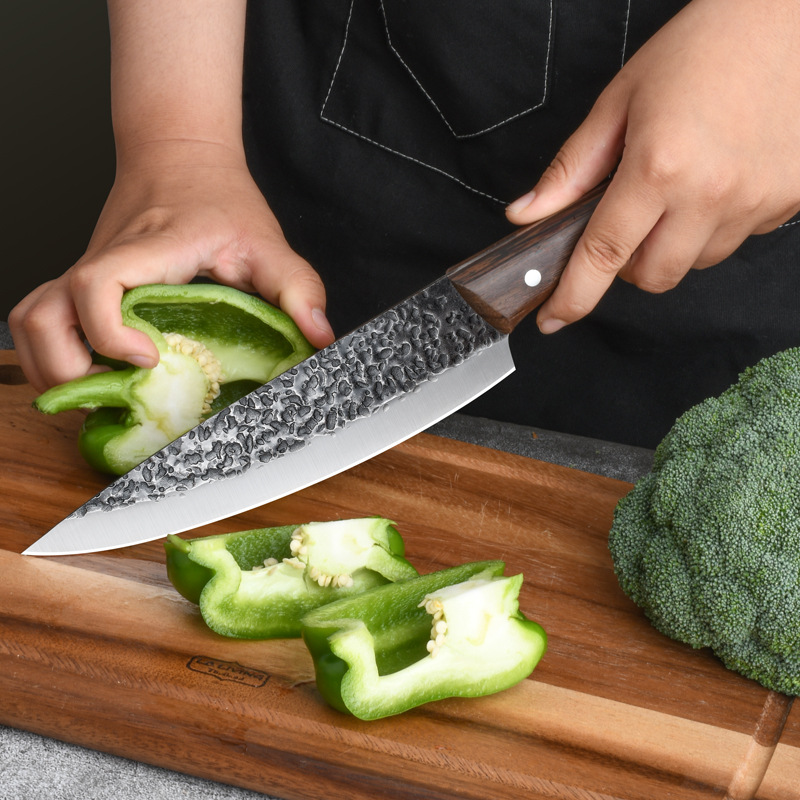
The handle of a palette knife should be comfortable to hold, especially if you plan to use it for extended periods. Look for handles that provide a good grip and are made from materials that feel comfortable in your hand. Wooden handles offer a classic feel, while plastic and metal handles can provide a modern touch.
Palette knives come in various sizes, so consider what tasks you will be using them for. A larger knife may be better for spreading frosting on cakes, while a smaller knife may be more suitable for intricate decorating work. Having a variety of sizes can enhance your versatility in the kitchen.
To ensure the longevity of your palette knife, proper cleaning is essential. Most palette knives can be washed by hand with warm, soapy water. Avoid using abrasive cleaners that can scratch the blade. If the knife is made of stainless steel, it can often be placed in the dishwasher, but hand washing is recommended for longevity.
Proper storage is crucial to maintain the integrity of your palette knife. Consider using a knife block, magnetic strip, or protective sheath to keep the blade safe. Avoid tossing it in a drawer with other utensils, as this can lead to damage and dulling of the blade.
A palette knife is an essential tool in the kitchen, offering versatility and precision for various cooking and baking tasks. From frosting cakes to sautéing vegetables, this tool can enhance your culinary experience. By understanding its uses, types, and maintenance, you can make the most of your palette knife and elevate your cooking skills.
1. What is the primary use of a palette knife in cooking?
- A palette knife is primarily used for spreading, lifting, and decorating food items, particularly in baking and pastry work.
2. How do I clean my palette knife?
- Clean your palette knife by hand with warm, soapy water. Avoid abrasive cleaners and consider hand washing for longevity.
3. What is the difference between an offset and a straight palette knife?
- An offset palette knife has a blade angled away from the handle, providing better control for spreading, while a straight palette knife has a flat blade aligned with the handle.
4. Can I use a palette knife for cooking tasks other than baking?
- Yes, palette knives can be used for various cooking tasks, including flipping, sautéing, and serving food.
5. What materials are palette knives made from?
- Palette knives are typically made from stainless steel or plastic, with handles made from wood, plastic, or metal.


