


Views: 293 Author: Insight Publish Time: 2026-04-16 Origin: Insight


Content Menu
>> The Origins and Early Years
>> Navigating Through Decades of Transformation
>> Modern Era: Integration and Digital Evolution
>> Conclusion
The China Import and Export Fair, globally renowned as the Canton Fair, stands as a monumental pillar in the narrative of international trade and China's economic trajectory. Established during a pivotal moment in history, this biannual exhibition has evolved from a modest local initiative into the world's largest and most comprehensive trade fair. It serves not only as a bridge connecting Chinese manufacturers with global markets but also as a living barometer of China's broader economic development, mirroring the nation's journey from isolation to becoming the central hub of global commerce.
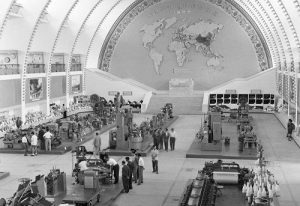
The inception of the Canton Fair in the late nineteen fifties was a strategic move designed to promote international trade and foster economic cooperation during a time of significant transition for China. Under the visionary leadership of figures such as Premier Zhou Enlai, the Chinese government sought to establish a platform where international buyers could directly engage with domestic producers, thereby breaking down barriers to trade and facilitating essential commercial exchanges.
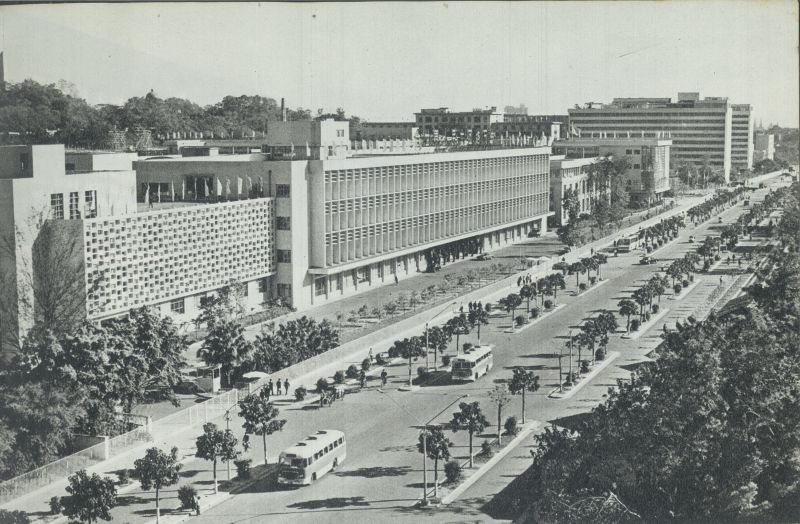
The very first edition of the fair opened its doors in the spring in Guangzhou, which was then widely known to the international community as Canton. This historical nomenclature remains the reason for the fair's enduring and globally recognized name today. The inaugural event was hosted at the Sino-Soviet Friendship Hall, providing a modest but significant space that symbolized the early ambition to welcome global partners. Before this landmark event, other smaller trade initiatives, such as the South China Local Products Expo, had laid the foundational groundwork in Guangzhou, establishing the city as a natural and historic epicenter for these types of large-scale commercial gatherings.
As the decades progressed, the Canton Fair became an indispensable mechanism for China's foreign trade. Throughout the latter half of the twentieth century, particularly during periods when China's economy was more insular, the fair remained a critical, often exclusive, window through which the country could engage with the global economy. At its peak during these formative years, the Canton Fair accounted for an astonishing proportion of China's national foreign trade exchange, highlighting its absolute centrality to the country's economic health and its success as a primary conduit for generating foreign currency.
The physical footprint of the fair also underwent significant expansion to accommodate its growing importance and the increasing volume of participants. From its early locations, the exhibition moved to larger, dedicated venues that could handle the influx of international visitors and the expanding variety of goods on display. This physical evolution mirrored the transformation of the Chinese economy itself, moving from a focus on basic local products toward sophisticated manufactured goods, heavy machinery, and eventually, high-tech consumer electronics.
The dawn of the twenty-first century marked perhaps the most significant chapter in the history of the Canton Fair. China's accession to the World Trade Organization was a transformative milestone, ushering in a new era of full integration into the global trading system. This period required the fair to undergo radical changes to meet international standards and accommodate a much wider range of global participants. Foreign companies were welcomed with open arms, and the fair transformed into a truly international platform where the playing field was leveled, emphasizing transparency and competitive market forces.
To facilitate this massive expansion, the new, state-of-the-art Pazhou Complex was constructed in the Haizhu district of Guangzhou. This massive, modern facility symbolized the scale and ambition of China's new era of openness. It allowed for simultaneous, large-scale exhibitions that could host tens of thousands of exhibitors and hundreds of thousands of buyers from almost every country in the world. The shift to this sophisticated venue allowed for a much more efficient, comfortable, and comprehensive experience for all parties involved, firmly establishing the fair as the premier destination for global sourcing.
In more recent years, the Canton Fair has embraced the digital revolution to ensure its continuity and relevance in a rapidly changing world. Faced with global challenges that limited physical travel, the fair successfully implemented large-scale virtual exhibition formats. This digital pivot not only expanded its global sales and marketing network but also allowed for greater inclusivity, enabling businesses to connect from anywhere in the world. By integrating advanced digital tools, live streaming, and interactive platforms, the fair has successfully blended its rich, long-standing physical legacy with the efficiency and reach of modern, technology-driven trade solutions, cementing its position as a critical node in the future of sustainable global development.
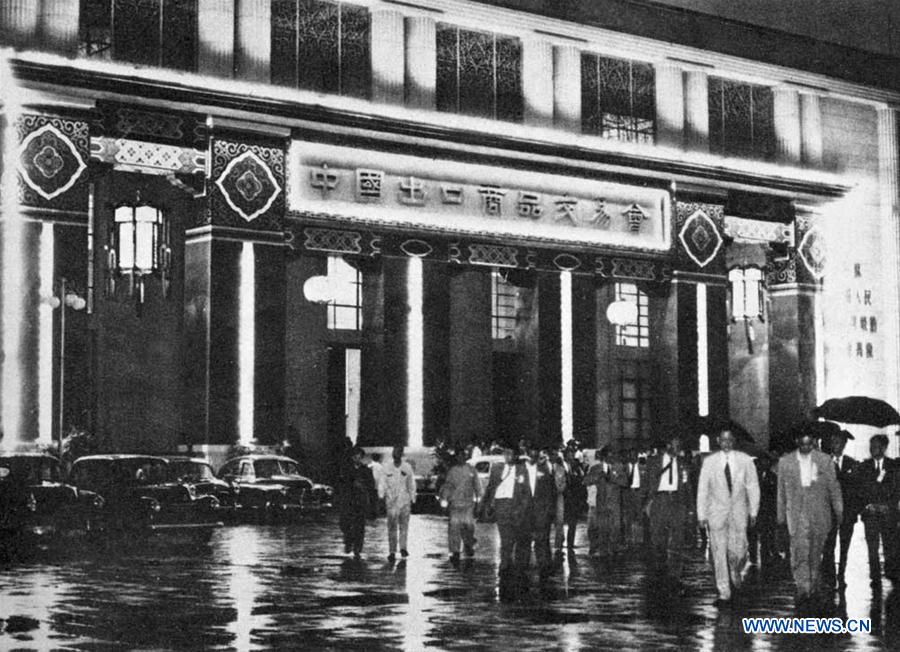
The story of the Canton Fair is, in essence, the story of modern China. It began as a bold experiment in the fifties, survived and thrived through periods of intense economic transition, and emerged as a global superpower in trade exhibition. As a barometer of the Chinese economy, its history reflects the nation's resilience, adaptability, and unwavering commitment to global connectivity. Today, as the world moves into an era of complex, interconnected digital and physical trade, the Canton Fair remains a constant, evolving bridge that facilitates business, promotes economic cooperation, and continues to shape the future of international trade.
1. When was the first Canton Fair held?
The first Canton Fair was held in the spring of 1957.
2. Where does the name "Canton Fair" originate?
The fair is held in Guangzhou, which was formerly known as "Canton" to the international community, hence the name.
3. What is the official name of the Canton Fair?
The official name is the China Import and Export Fair.
4. How often is the Canton Fair held?
It is a biannual event, held every spring and autumn in Guangzhou.
5. Why is the Canton Fair considered a "barometer" of the Chinese economy?
Because of its long history and massive scale, the volume of trade, the diversity of exhibitors, and the number of international buyers participating in the fair are seen as key indicators of the health and direction of China's foreign trade.


