
- Home
- Products
- About Us
- OEM/ODM
- VR
- Resources
- Contacts


Views: 276 Author: Insight Publish Time: 2026-04-18 Origin: Insight


Content Menu
● Knife Block Order: 1x40HQ Loading and Logistics Optimization
>> Understanding the 40-Foot High Cube Container
>> Strategic Planning for Knife Block Packaging
>> The Loading Process: Best Practices
>>> Stacking and Weight Distribution
>> Optimizing Supply Chain Efficiency
>> Quality Control and Final Inspection
>> Conclusion
>> Summary
In the competitive landscape of kitchenware manufacturing and export, the efficiency of the supply chain is as critical as the quality of the products themselves. When dealing with specialized items such as knife blocks, manufacturers must balance volume, weight, and safety to maximize every cubic meter of shipping space. A common requirement for high-volume retailers and distributors is the procurement of goods organized in a full container load, specifically using a 40-foot high cube container. This article explores the intricate process of planning, executing, and optimizing a knife block order for 1x40HQ loading, ensuring that cargo arrives safely, cost-effectively, and in pristine condition.

The 40-foot high cube (40HQ) container is the industry standard for bulk international shipping. Unlike the standard 40-foot container, the high cube variant offers additional height, providing roughly ten percent more cubic capacity. This feature is particularly advantageous for products that are lightweight but voluminous or stacked in high configurations, such as knife blocks.
When logistics managers plan an order, understanding the internal dimensions and weight limitations is the first step. The extra ceiling space in a 40HQ container allows for higher stacking, which, when performed correctly, significantly lowers the cost per unit for shipping. However, the increased height also imposes stricter requirements on how cargo is secured to prevent shifting during ocean transit.
Before the container arrives at the factory floor, the packaging strategy must be finalized. Knife blocks are often delicate, as they are typically made of wood or composite materials that are prone to scratching, denting, or splintering. Furthermore, the knives housed within or sold alongside these blocks require specific protective measures.
Successful loading starts with the master carton. To optimize a 40HQ container, dimensions of the master cartons should be designed to interlock perfectly, minimizing gaps. If a carton is too small, it leaves unusable space; if it is too large, it may cause structural issues when stacked to the ceiling. Engineers often perform volumetric calculations to ensure the maximum number of blocks can fit within the container's envelope while maintaining structural integrity.
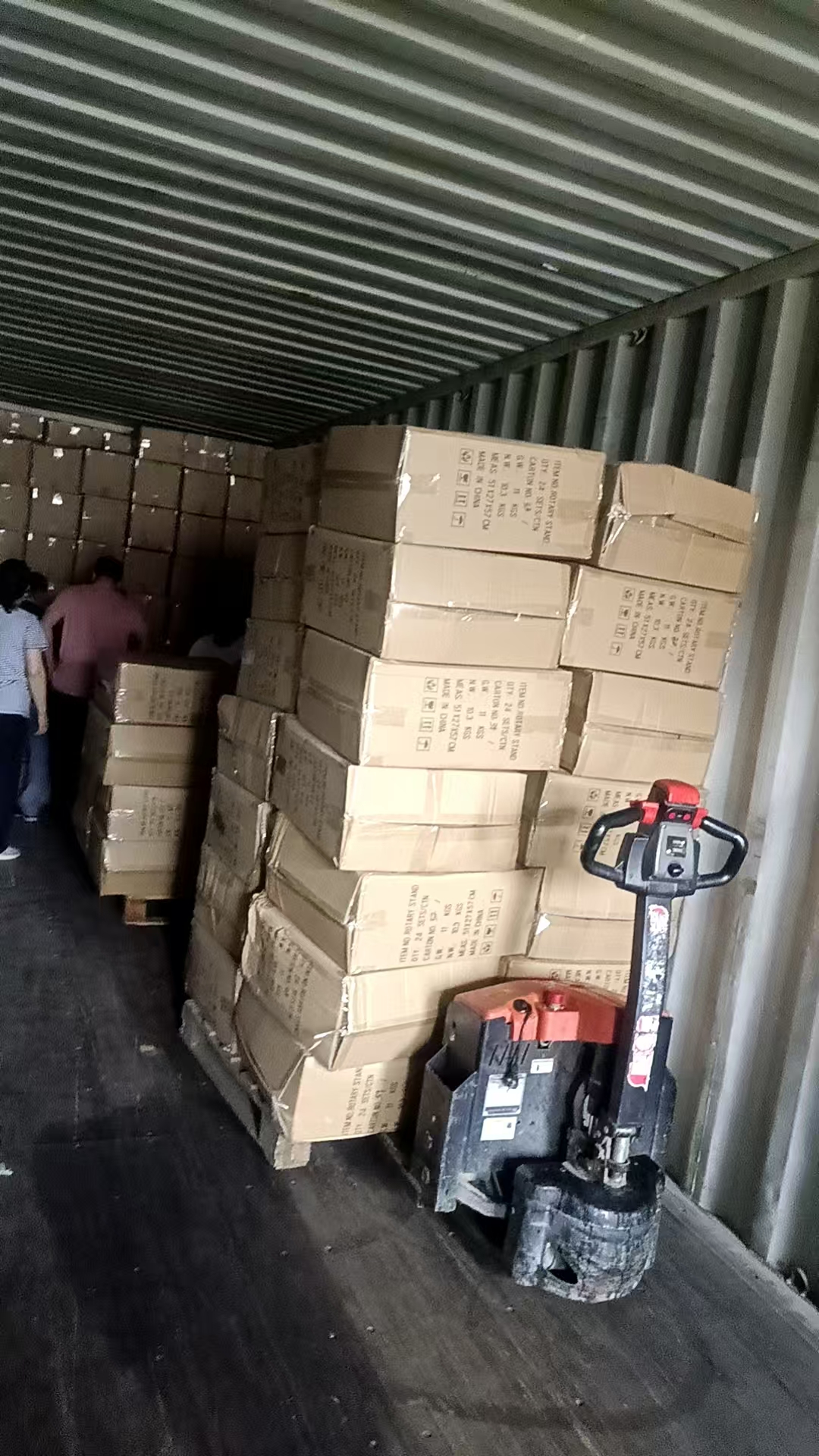
The actual loading of a 1x40HQ container is a highly choreographed operation. It requires a synergy between inventory management, forklift operators, and manual loaders.
One of the most critical aspects of container loading is weight distribution. While it is tempting to fill the container from floor to ceiling, safety regulations dictate that weight must be spread evenly across the floor area. Overloading one side of the container can lead to instability during transit or difficulty for the receiving warehouse to unload the goods safely.
Loaders typically begin by placing the heaviest master cartons at the bottom to provide a stable base. As they move upward, they shift to lighter, more fragile items. In the case of knife blocks, which are often uniform in size, this allows for a consistent, brick-like stacking pattern. This method not only maximizes space but also creates a self-supporting structure that minimizes the risk of collapse.
Once the containers are packed, the final stage is bracing and blocking. This process involves using dunnage, air bags, or wooden bracing to fill any remaining voids between the last row of cargo and the container doors. Because ocean vessels endure rough seas, vibrations, and tilting, any loose space acts as a catalyst for cargo shifting. If the contents shift, the resulting damage can be extensive, rendering the entire shipment unsellable. Proper securing is an investment in quality control that prevents significant losses.
Beyond the physical loading, managing a 1x40HQ order involves complex coordination. From the moment the purchase order is confirmed, the clock starts ticking.
Manufacturers often synchronize production schedules with the availability of the container. Producing the goods in stages allows for a continuous flow, where pallets are staged in the warehouse, shrink-wrapped, and ready for immediate loading as soon as the empty container reaches the loading dock. This "just-in-time" approach reduces warehouse overhead and streamlines the export process.
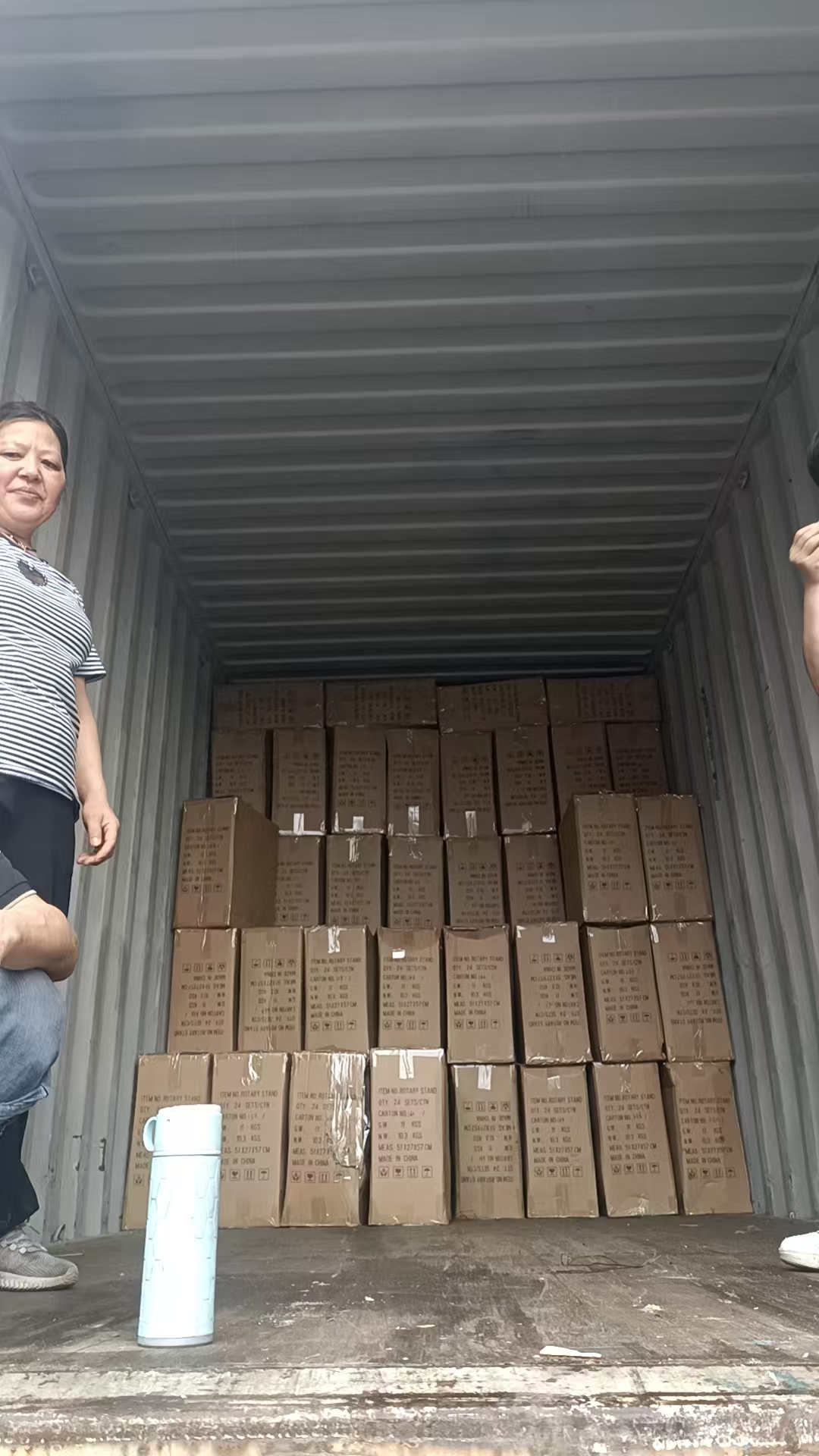
Before the container doors are closed and sealed, a final quality control inspection is mandatory. This inspection checks that the packing list matches the actual contents, that the stacking is uniform, and that the load is properly secured. Once satisfied, the container is sealed with a unique, high-security bolt seal, and the container number and seal number are recorded in the shipping documents. These steps are crucial for customs clearance and for ensuring that the inventory remains secure throughout its international journey.
Successfully navigating a knife block order for 1x40HQ loading is a testament to meticulous planning and operational discipline. By understanding the specifications of the high cube container, designing packaging that optimizes volume, and adhering to strict loading, bracing, and quality control protocols, businesses can ensure that their products reach their destination efficiently and safely. As global trade continues to evolve, those who master these logistics best practices will find themselves with a significant competitive advantage, delivering superior value and reliability to their customers worldwide.
1. Why is a 40-foot high cube (40HQ) preferred over a standard 40-foot container for knife blocks?
The 40HQ provides additional height, which allows for higher vertical stacking. For lightweight items like knife blocks, this increased volume utilization helps reduce the per-unit shipping cost.
2. What are the key risks when loading knife blocks into a container?
The primary risks include product damage due to shifting, scratching or denting of the wooden or composite blocks, and carton collapse if the stack is not structurally sound or if weight is not evenly distributed.
3. How can I minimize shipping damage during transit?
Proper securing is essential. This includes using air bags to fill voids, wooden bracing for structural support, and ensuring that the cargo is packed tightly in a consistent, interlocking pattern to prevent movement.
4. What is the role of the master carton in 1x40HQ loading?
The master carton is the foundation of the load. Its dimensions should be optimized to fit the container's interior dimensions efficiently, minimizing wasted space while ensuring the stack remains stable from floor to ceiling.
5. Why is final inspection important before sealing the container?
A final inspection verifies that the packing list is accurate, the cargo is securely braced, and the container is properly sealed. This is critical for meeting safety regulations, facilitating smooth customs clearance, and guaranteeing cargo integrity.


