
- Home
- Products
- About Us
- OEM/ODM
- VR
- Resources
- Contacts


Views: 239 Author: Insight Publish Time: 2025-12-03 Origin: Insight


Content Menu
● Understanding the Basics of Kitchen Knives
>> Step 2: Quenching and Tempering
>> Step 3: Grinding and Shaping
>> Step 4: Drilling for the Handle
>> Step 5: Crafting the Handle
>> Step 7: Final Sharpening and Polishing
>> Common Issues and Solutions
Creating a kitchen knife set is a rewarding project that combines craftsmanship with functionality. A well-made knife set can enhance your cooking experience and serve as a beautiful addition to your kitchen. In this article, we will explore the process of making a kitchen knife set, including selecting materials, designing the knives, and the steps involved in crafting them.

Before diving into the crafting process, it is essential to understand the different types of kitchen knives that are commonly used. Each knife serves a specific purpose, and knowing these can help you design a well-rounded set.
- Chef's Knife: This is the most versatile knife in the kitchen, used for chopping, slicing, and dicing.
- Paring Knife: A small knife ideal for peeling and intricate work.
- Bread Knife: A serrated knife designed for cutting bread without crushing it.
- Utility Knife: A mid-sized knife that can handle a variety of tasks.
- Boning Knife: A flexible knife used for deboning meat and fish.
The choice of materials is crucial in knife making. The main components include the blade, handle, and any additional features.
- Blade Material: High-carbon stainless steel is a popular choice due to its durability and ability to hold an edge. Other options include Damascus steel, which offers unique patterns and excellent performance.
- Handle Material: Handles can be made from wood, plastic, or composite materials. Each material has its own feel and aesthetic.
- Rivets and Pins: These are used to secure the handle to the blade and can be made from brass, stainless steel, or other materials.
Start by sketching the designs of the knives you want to create. Consider the size, shape, and functionality of each knife. A good design will balance aesthetics with practicality.
When designing the handle, consider ergonomics. The handle should fit comfortably in your hand and provide a good grip. The balance of the knife is also important; a well-balanced knife feels more comfortable and is easier to control.
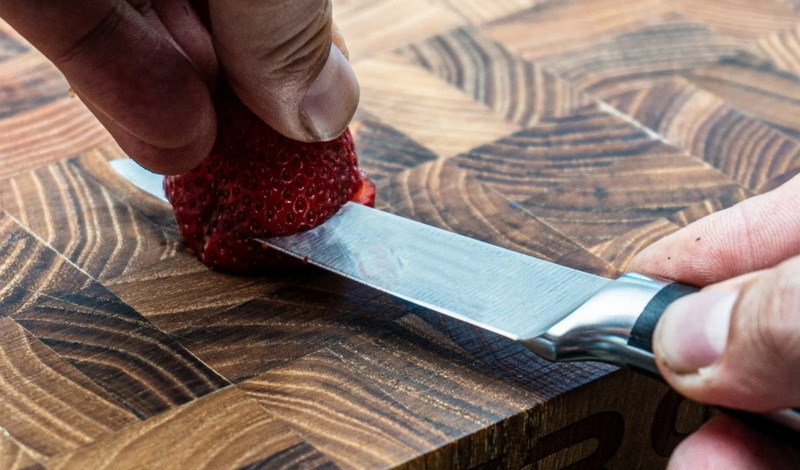
To make a kitchen knife set, you will need various tools and equipment. Here's a list of essential items:
- Forge or Heat Source: For heating the steel.
- Anvil: For shaping the blade.
- Hammers: For forging the blade.
- Grinder: For sharpening and shaping the blade.
- Drill: For making holes in the handle.
- Sandpaper: For finishing the handle and blade.
- Polishing Compound: For giving the blade a shiny finish.
Begin by heating the steel in the forge until it is red hot. Once heated, place the steel on the anvil and use a hammer to shape it into the desired blade form. This process requires skill and patience, as you will need to repeatedly heat and shape the steel.
After forging the blade, it needs to be hardened. This is done by quenching the hot blade in oil or water. Once hardened, the blade is brittle, so it must be tempered by reheating it to a lower temperature and then allowing it to cool slowly. This process reduces brittleness and increases toughness.
Once tempered, use a grinder to refine the shape of the blade. This includes creating the edge and any bevels. Take your time to ensure the blade is symmetrical and sharp.
After shaping the blade, drill holes for the handle. These holes will accommodate the rivets or pins that will secure the handle to the blade.
Select your handle material and cut it to size. Shape the handle to fit comfortably in your hand. If using wood, consider sanding it to a smooth finish and applying a food-safe finish to protect it.
Once the handle is ready, align it with the blade and insert the rivets or pins. Secure them tightly to ensure the handle is firmly attached to the blade.
After assembly, give the blade a final sharpening using a whetstone or sharpening system. Polish the blade to achieve a shiny finish. This step enhances the knife's appearance and helps prevent rust.
To ensure your knife set lasts for years, proper care is essential. Here are some maintenance tips:
- Cleaning: Always hand wash your knives with mild soap and water. Avoid putting them in the dishwasher, as this can damage the blade and handle.
- Sharpening: Regularly sharpen your knives to maintain their cutting performance. Use a whetstone or honing rod for best results.
- Storage: Store your knives in a knife block, magnetic strip, or protective sheaths to prevent damage to the blades.
- Rust: If your knives develop rust, use a rust eraser or fine steel wool to remove it. Regular oiling can help prevent rust.
- Dull Blades: If your knives become dull, sharpen them immediately. A dull knife is more dangerous than a sharp one.
Making a kitchen knife set is a fulfilling project that allows you to create functional art for your kitchen. With the right materials, tools, and techniques, you can craft a set of knives that not only perform well but also reflect your personal style. Whether you are an experienced craftsman or a beginner, the process of making your own knives can be both educational and enjoyable.
1. What type of steel is best for kitchen knives?
High-carbon stainless steel is often recommended for its durability and edge retention.
2. How do I maintain my kitchen knives?
Hand wash them, regularly sharpen them, and store them properly to prevent damage.
3. Can I make a knife without a forge?
Yes, you can use stock removal methods with pre-made steel blanks if you don't have access to a forge.
4. What is the best handle material for kitchen knives?
Wood, plastic, and composite materials are all good options, depending on your preference for feel and aesthetics.
5. How often should I sharpen my knives?
It depends on usage, but a good rule of thumb is to sharpen them every few months or whenever they feel dull.


