
- Home
- Products
- About Us
- OEM/ODM
- VR
- Resources
- Contacts


Views: 265 Author: Insight Publish Time: 2025-12-03 Origin: Insight


Content Menu
● Understanding the Importance of Cleaning Knives
>> The Risks of Neglecting Knife Maintenance
● Step-by-Step Guide to Cleaning Kitchen Knife Sets
>>> H3: Hand Washing
>>> H3: Cleaning Different Types of Knives
>> H2: Deep Cleaning Techniques
>>> H3: Removing Stains and Rust
>> H2: Storing Your Knives Properly
>>> H3: Knife Blocks
>> H2: Mistakes in Knife Cleaning
Keeping your kitchen knife sets clean is essential for maintaining their performance and longevity. A well-maintained knife not only performs better but also ensures food safety. In this article, we will explore various methods and tips for cleaning kitchen knife sets, including the best practices for different types of knives, the tools you need, and common mistakes to avoid.

Cleaning your knives is crucial for several reasons. First, food particles and bacteria can accumulate on the blade and handle, leading to cross-contamination. Second, residues from food can dull the blade, making it less effective. Lastly, regular cleaning helps prevent rust and corrosion, especially in high-quality stainless steel knives.
Neglecting to clean your knives can lead to various issues. Bacteria can thrive on dirty knives, posing health risks. Additionally, a dull knife can be more dangerous than a sharp one, as it requires more force to cut through food, increasing the likelihood of slips and accidents.
Before diving into the cleaning process, gather the necessary tools. Here's a list of items you might need:
- Dish soap
- Warm water
- Soft sponge or cloth
- Drying towel
- Knife block or magnetic strip for storage
- Optional: specialized knife cleaning solutions
The best way to clean your kitchen knives is by hand washing them. Here's how to do it:
1. Prepare Your Cleaning Solution: Fill a basin or your sink with warm water and add a few drops of dish soap. Avoid using harsh chemicals or abrasive cleaners, as they can damage the knife's finish.
2. Soak the Knives: If there are stubborn food residues, let the knives soak in the soapy water for a few minutes. This will help loosen any stuck particles.
3. Wipe Down the Blades: Using a soft sponge or cloth, gently wipe down the blade from the handle to the tip. Always clean away from the edge to avoid cuts.
4. Clean the Handles: Don't forget to clean the handles, as they can also harbor bacteria. Use the sponge to wipe them down thoroughly.
5. Rinse and Dry: Rinse the knives under warm running water to remove any soap residue. Immediately dry them with a clean towel to prevent water spots and rust.
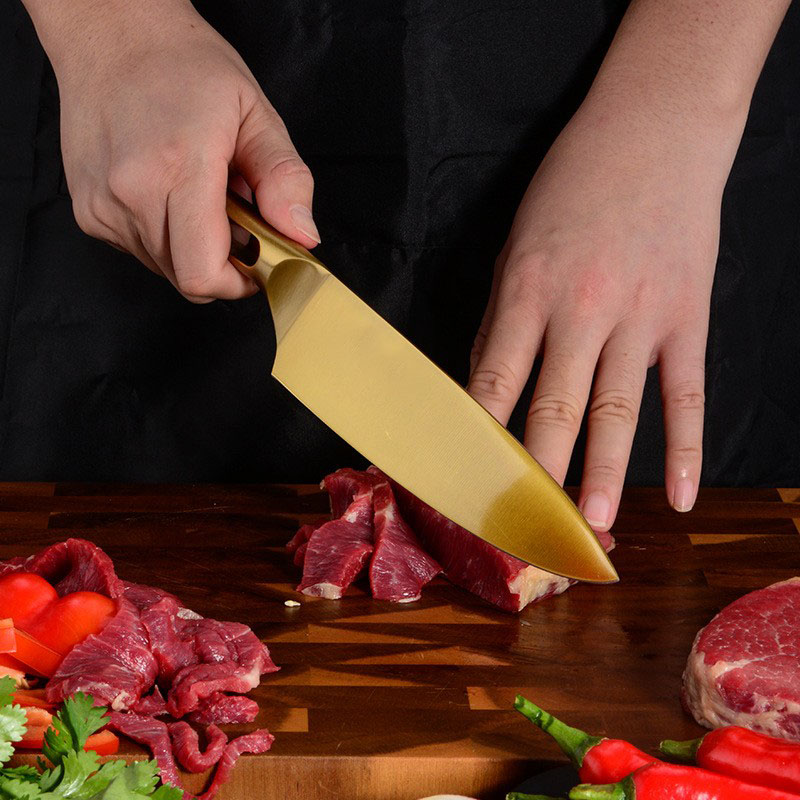
Different knives may require slightly different cleaning methods:
- Chef's Knives: Follow the basic cleaning method. Ensure you clean the bolster and heel, as these areas can trap food particles.
- Paring Knives: These can be cleaned similarly, but be extra cautious due to their smaller size and sharper edges.
- Serrated Knives: For serrated knives, avoid using a sponge. Instead, use a soft brush to clean between the serrations, as food can get stuck there.
If your knives have developed stains or rust, you may need to perform a deeper cleaning:
1. Baking Soda Paste: Create a paste using baking soda and water. Apply it to the stained areas and let it sit for a few minutes before scrubbing gently with a soft cloth.
2. Vinegar Solution: For rust, soak a cloth in white vinegar and wrap it around the affected area. Let it sit for a few hours before wiping it clean.
3. Commercial Cleaners: There are specialized knife cleaning solutions available that can help remove tough stains and rust. Follow the manufacturer's instructions for use.
To keep your knives in top condition, regular maintenance is key. Here are some tips:
- Oil the Blades: Occasionally, apply a thin layer of mineral oil to the blades to protect against moisture and rust.
- Sharpen Regularly: A sharp knife is easier to clean and safer to use. Invest in a good sharpening tool and sharpen your knives regularly.
Proper storage is just as important as cleaning. Here are some storage options:
Knife blocks are a popular choice for storing kitchen knives. They protect the blades and keep them organized. Ensure the block is clean and dry before placing your knives inside.
Magnetic strips are a modern and stylish way to store knives. They keep the blades exposed for easy access while preventing them from getting damaged.
Using sheaths or covers for individual knives can protect the blades from scratches and damage. This is especially useful for high-quality or specialty knives.
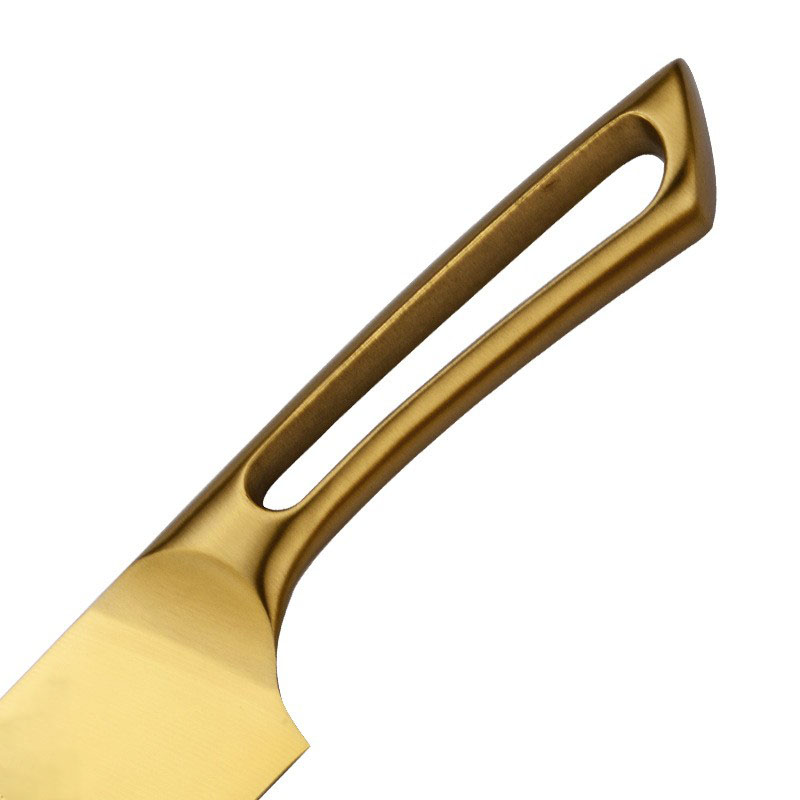
1. Using the Dishwasher: Never put your knives in the dishwasher. The high heat and harsh detergents can damage the blades and handles.
2. Using Abrasive Cleaners: Avoid steel wool or abrasive sponges, as they can scratch the surface of the knife.
3. Neglecting the Handles: Many people focus solely on the blades, but the handles also need regular cleaning to ensure hygiene.
4. Not Drying Immediately: Leaving knives wet can lead to rust. Always dry them immediately after washing.
5. Ignoring Regular Maintenance: Regularly check your knives for signs of wear, rust, or dullness, and address these issues promptly.
Cleaning your kitchen knife sets is an essential part of kitchen maintenance. By following the steps outlined in this article, you can ensure that your knives remain in excellent condition, providing you with the best performance and safety while cooking. Remember to clean your knives after each use, perform deep cleaning as needed, and store them properly to prolong their lifespan.
1. Can I put my knives in the dishwasher?
- No, it is not recommended to put knives in the dishwasher as it can damage the blades and handles.
2. How often should I clean my knives?
- You should clean your knives after each use to prevent bacteria buildup and maintain their sharpness.
3. What should I use to clean rust off my knives?
- You can use a baking soda paste or white vinegar to remove rust from your knives.
4. Is it necessary to oil my knives?
- While not strictly necessary, applying a thin layer of mineral oil can help protect the blades from moisture and rust.
5. How can I tell if my knife is dull?
- If you find yourself applying more pressure to cut through food or if the knife slips while cutting, it may be time to sharpen it.


