
- Home
- Products
- About Us
- OEM/ODM
- VR
- Resources
- Contacts


Views: 208 Author: Insight Publish Time: 2025-12-02 Origin: Insight


Content Menu
● Understanding Kitchen Knife Sets
>> What is a Kitchen Knife Set?
● The Benefits of Buying a Knife Set
● The Drawbacks of Buying a Knife Set
● How to Choose the Right Knife Set
>> Research Brands and Reviews
>> Consider the Knife Material
>> Sharpening
When it comes to equipping a kitchen, one of the most essential tools is a good set of knives. A kitchen knife set typically includes a variety of knives designed for different tasks, from chopping vegetables to slicing meat. However, many home cooks and culinary enthusiasts often wonder: are kitchen knife sets worth buying? In this article, we will explore the benefits and drawbacks of purchasing a knife set, the types of knives included, and how to choose the right set for your needs.
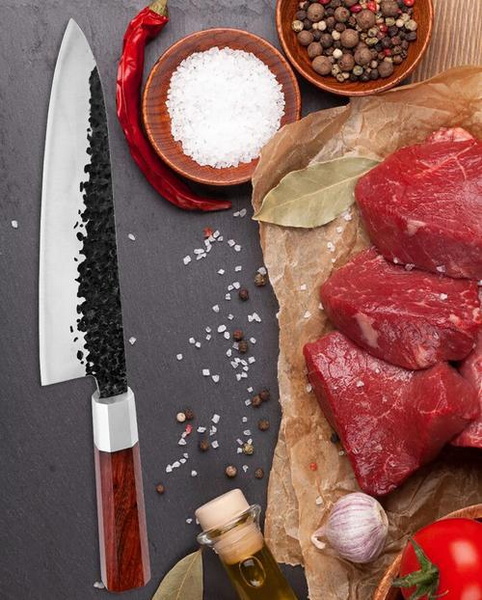
A kitchen knife set is a collection of knives that usually includes a chef's knife, paring knife, serrated knife, and sometimes specialty knives like boning or filleting knives. These sets often come with a storage block or a magnetic strip for easy access and organization.
1. Chef's Knife: The most versatile knife in the kitchen, ideal for chopping, slicing, and dicing.
2. Paring Knife: A small knife used for intricate tasks like peeling and trimming.
3. Serrated Knife: Perfect for cutting bread and other soft items without crushing them.
4. Utility Knife: A mid-sized knife that can handle a variety of tasks.
5. Boning Knife: Designed for deboning meat and fish.
6. Fillet Knife: A flexible knife used for filleting fish.
One of the primary advantages of purchasing a knife set is the convenience it offers. A set provides all the essential knives you need in one package, ensuring that you have the right tool for every task. Additionally, having a cohesive set can enhance the aesthetic of your kitchen, as all the knives will match in style and design.
Buying a knife set can often be more cost-effective than purchasing individual knives. Many manufacturers offer discounts on sets compared to the total price of buying each knife separately. This can be particularly beneficial for those who are just starting to build their kitchen tools.
Reputable brands often produce knife sets that maintain a certain level of quality across all the knives included. This means that when you buy a set from a trusted manufacturer, you can expect a consistent level of performance and durability.
For novice cooks, a knife set can be an excellent way to start. It eliminates the guesswork of selecting individual knives and ensures that you have the basic tools needed to prepare a wide range of dishes.
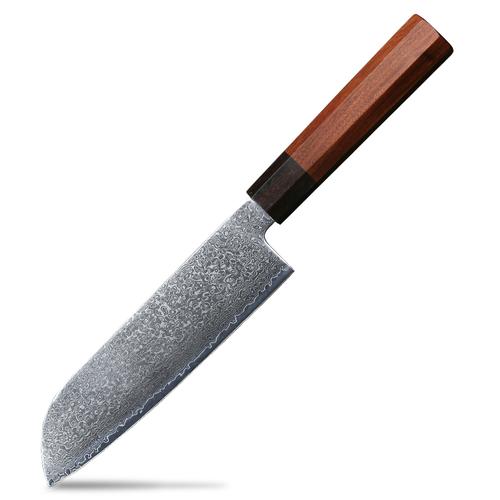
One potential downside of purchasing a knife set is that not all knives may be used frequently. Some sets include specialty knives that may not be necessary for every cook. This can lead to a collection of knives that are rarely used, which may not justify the cost of the set.
While many knife sets are of high quality, some budget sets may include lower-quality knives that do not perform well. It is essential to research the brand and read reviews to ensure that the knives in the set are worth the investment.
Knife sets often come with a block or case for storage, which can take up valuable counter space. For those with limited kitchen space, this can be a significant consideration.
Before purchasing a knife set, consider your cooking habits. If you frequently prepare complex meals, a more comprehensive set may be beneficial. However, if you primarily cook simple dishes, a smaller set may suffice.
Take the time to research different brands and read customer reviews. Look for sets that are known for their quality and durability. Pay attention to the materials used in the blades and handles, as these can significantly impact performance.
Knives can be made from various materials, including stainless steel, carbon steel, and ceramic. Each material has its pros and cons. Stainless steel is resistant to rust and easy to maintain, while carbon steel can hold a sharper edge but requires more care.
The handle of a knife is just as important as the blade. Ensure that the knives in the set have comfortable, ergonomic handles that provide a good grip. This is especially important for extended use, as discomfort can lead to fatigue and decreased performance.
Check the warranty and return policy before making a purchase. A good warranty can provide peace of mind, and a flexible return policy allows you to test the knives and return them if they do not meet your expectations.
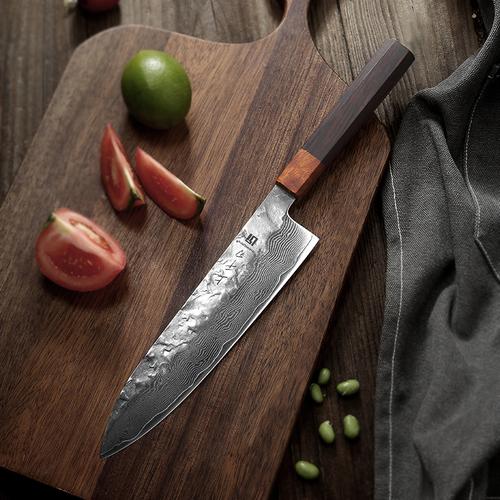
To keep your knives in optimal condition, it is essential to clean them regularly. Hand washing is often recommended over using a dishwasher, as the high heat and harsh detergents can damage the blades and handles.
Regular sharpening is crucial for maintaining the performance of your knives. Invest in a good sharpening tool or consider professional sharpening services. A sharp knife is safer and more efficient than a dull one.
Store your knives properly to prevent damage. Using a knife block, magnetic strip, or protective sheaths can help keep the blades safe and maintain their sharpness.
In conclusion, kitchen knife sets can be a worthwhile investment for both novice and experienced cooks. They offer convenience, cost-effectiveness, and a cohesive look for your kitchen. However, it is essential to consider your cooking needs, research brands, and choose a set that includes knives you will use regularly. With proper care and maintenance, a good knife set can last for many years, making it a valuable addition to your culinary toolkit.
1. What should I look for in a knife set?
Look for a set that includes essential knives, has comfortable handles, and is made from high-quality materials.
2. Are expensive knife sets worth the money?
Often, higher-priced sets offer better quality and durability, but it's essential to research and find a set that fits your budget and needs.
3. How often should I sharpen my knives?
It depends on usage, but generally, you should sharpen your knives every few months or whenever they feel dull.
4. Can I put my knives in the dishwasher?
It is not recommended, as the heat and detergents can damage the blades and handles. Hand washing is preferred.
5. What is the best way to store my knife set?
Use a knife block, magnetic strip, or protective sheaths to keep your knives safe and maintain their sharpness.


