
- Home
- Products
- About Us
- OEM/ODM
- VR
- Resources
- Contacts


Views: 248 Author: Insight Publish Time: 2026-01-09 Origin: Insight


Content Menu
● The Importance of Knife Skills
>>> Chef's Knife
>>> Paring Knife
>>> Serrated Knife
>>> Boning Knife
>> The Grip
>>> The Claw Grip
>>> Chopping
>>> Dicing
>>> Julienne
>>> Mincing
>>> Chiffonade
>>> Brunoise
>>> Tourne
>> Cleaning and Storing Knives
>> Knife Safety
>> First Aid for Knife Injuries
Knife skills are fundamental to cooking, yet they are often overlooked by home cooks. Mastering the art of using a knife not only enhances your cooking efficiency but also improves the presentation of your dishes. This article serves as a crash course in knife skills, providing you with the knowledge and techniques needed to handle knives like a professional chef.

Knife skills are essential for several reasons. First, they allow for precision in cutting, which is crucial for even cooking and appealing presentation. Second, proper knife techniques can enhance safety in the kitchen. A well-sharpened knife, when used correctly, is less likely to slip and cause accidents. Lastly, mastering knife skills can significantly speed up your food preparation process, making cooking more enjoyable.
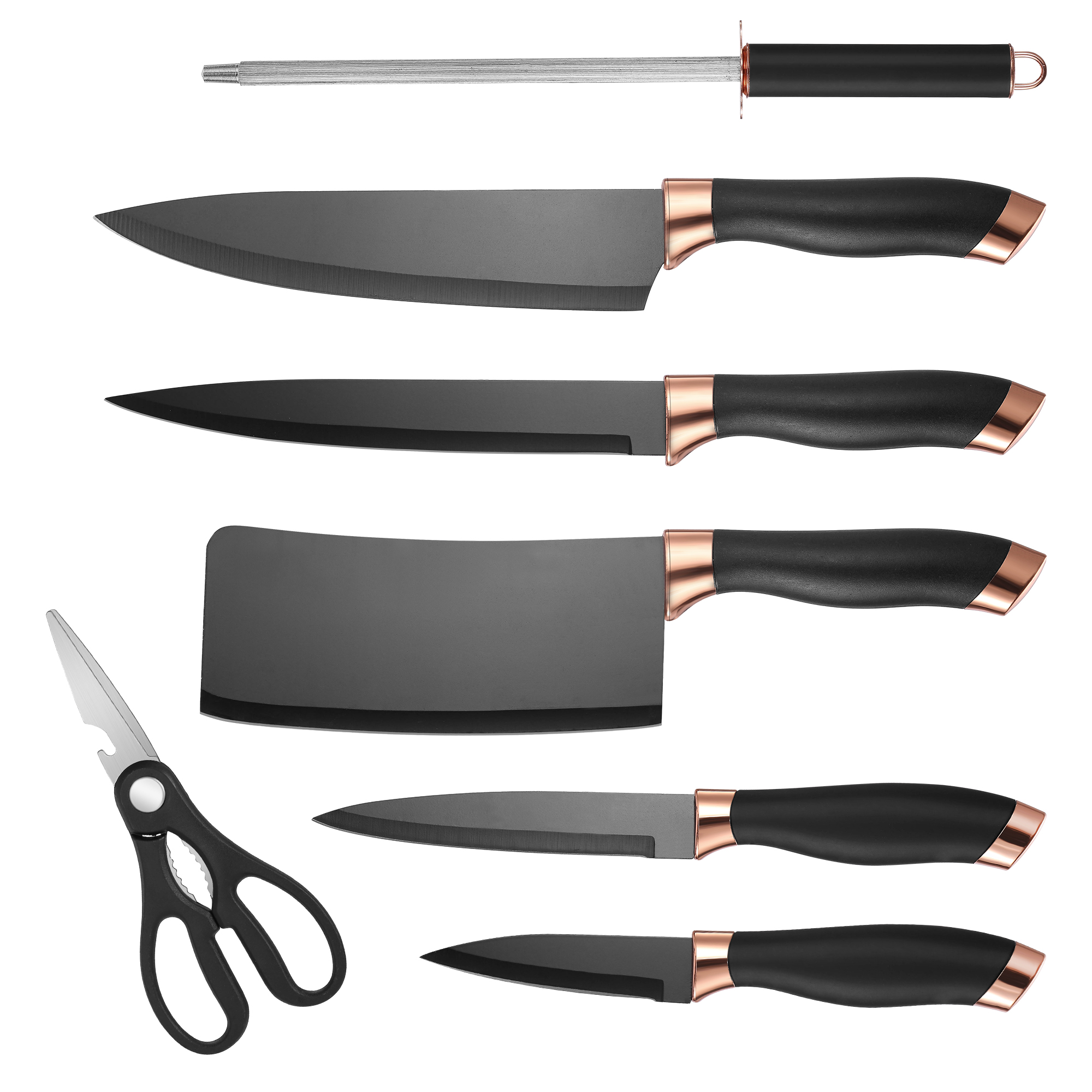
Before diving into techniques, it's important to understand the different types of knives commonly used in the kitchen. Each knife serves a specific purpose, and knowing when to use each one is key to effective cooking.
The chef's knife is the most versatile knife in the kitchen. It typically has a broad blade that tapers to a point, making it ideal for chopping, slicing, and dicing a variety of ingredients.
A paring knife is smaller and perfect for intricate tasks such as peeling fruits and vegetables or deveining shrimp. Its size allows for greater control in delicate tasks.
Serrated knives are designed for cutting through foods with a hard exterior and soft interior, such as bread and tomatoes. The saw-like edge allows for clean cuts without crushing the food.
A boning knife has a thin, flexible blade that is ideal for removing bones from meat and fish. Its design allows for precision and control when working around bones.
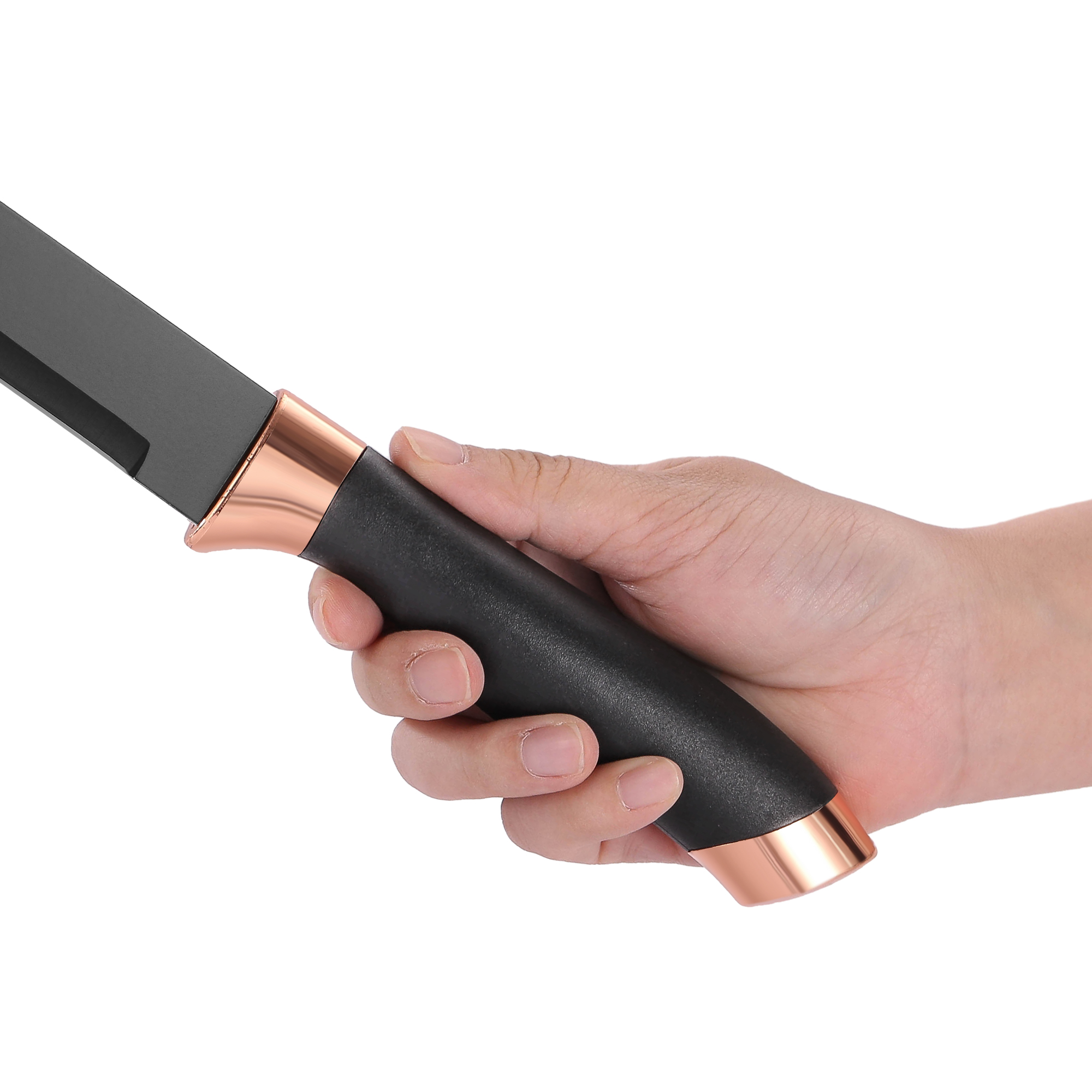
A proper grip is crucial for control and safety. Hold the handle of the knife with your dominant hand, using your thumb and forefinger to pinch the blade just above the handle. This grip provides better control and balance.
When holding the food you are cutting, use the claw grip. Tuck your fingertips under and use your knuckles as a guide for the knife. This technique keeps your fingers safe and allows for more precise cuts.
Chopping is a fundamental technique used for cutting vegetables and herbs into small pieces. To chop, use a rocking motion with the knife, keeping the tip on the cutting board while lifting the handle.
Dicing involves cutting food into uniform cubes. Start by slicing the food into strips, then turn the strips and cut across them to create cubes. Consistency in size is key for even cooking.
Julienne is a technique used to cut vegetables into thin, matchstick-like strips. Begin by slicing the vegetable into planks, then stack the planks and cut them into thin strips.
Mincing is used for finely chopping herbs, garlic, and other ingredients. To mince, use a rocking motion with the knife, applying pressure to create small, uniform pieces.
Chiffonade is a technique used for cutting leafy greens and herbs into thin ribbons. Stack the leaves, roll them tightly, and slice across the roll to create thin strips.
Brunoise is a precise technique that involves dicing food into very small cubes, typically around one-eighth of an inch. This technique is often used for garnishes and sauces.
Tourne is a classical French technique used to create a seven-sided, oval shape from vegetables. This technique is often used for presentation and requires practice to master.
Keeping your knives sharp is essential for safety and efficiency. A dull knife requires more force to cut, increasing the risk of slipping. Regularly sharpen your knives using a whetstone, honing rod, or electric sharpener.
Proper cleaning and storage of knives are crucial for maintaining their longevity. Always hand wash your knives with mild soap and dry them immediately. Avoid putting them in the dishwasher, as this can damage the blade and handle. Store knives in a knife block, magnetic strip, or protective sheaths to prevent dulling and accidents.
Safety is paramount when working with knives. Always cut away from your body and keep your fingers clear of the blade. Use a stable cutting board and ensure it does not slip while you are cutting.
Accidents can happen, even with the best knife skills. If you cut yourself, apply pressure to stop the bleeding and clean the wound. If the cut is deep or does not stop bleeding, seek medical attention.
Mastering knife skills is an essential part of becoming a proficient cook. By understanding the different types of knives, practicing essential cutting techniques, and maintaining your tools, you can enhance your cooking experience. Remember that practice makes perfect, so spend time honing your skills in the kitchen.
1. How often should I sharpen my knives?
- It depends on usage, but generally, sharpening every few weeks is sufficient for home cooks.
2. What is the best way to clean my knives?
- Hand wash with mild soap and dry immediately. Avoid the dishwasher.
3. Can I use a chef's knife for all types of cutting?
- While a chef's knife is versatile, specific tasks may require specialized knives for best results.
4. What should I do if my knife slips while cutting?
- Stay calm, and do not try to catch the knife. Move away from the blade and assess any injuries.
5. How can I improve my knife skills?
- Practice regularly, watch instructional videos, and consider taking a cooking class focused on knife skills.


